
ICAS Bulletin (online ISSN 2836-3418, print ISSN 2836-340X) is published every other week throughout the year at 1919 M St NW, Suite 310, Washington, DC 20036.
The online version of ICAS Bulletin can be found at chinaus-icas.org/bulletins/.
Associated News References:
“China Says US Pledged to Cap Replacement Tariffs at 20%”, Bloomberg, July 27
“China Condemns US Over New Section 301 Tariffs – but Holds off on Retaliation”, South China Morning Post, July 27
“FBI Head Kash Patel Meets China Security Chief Wang Xiaohong in Beijing on Crime Crackdown”, South China Morning Post, July 25
“Vice-Foreign Minister Visits US, Meets Senior Officials”, China Daily, July 24
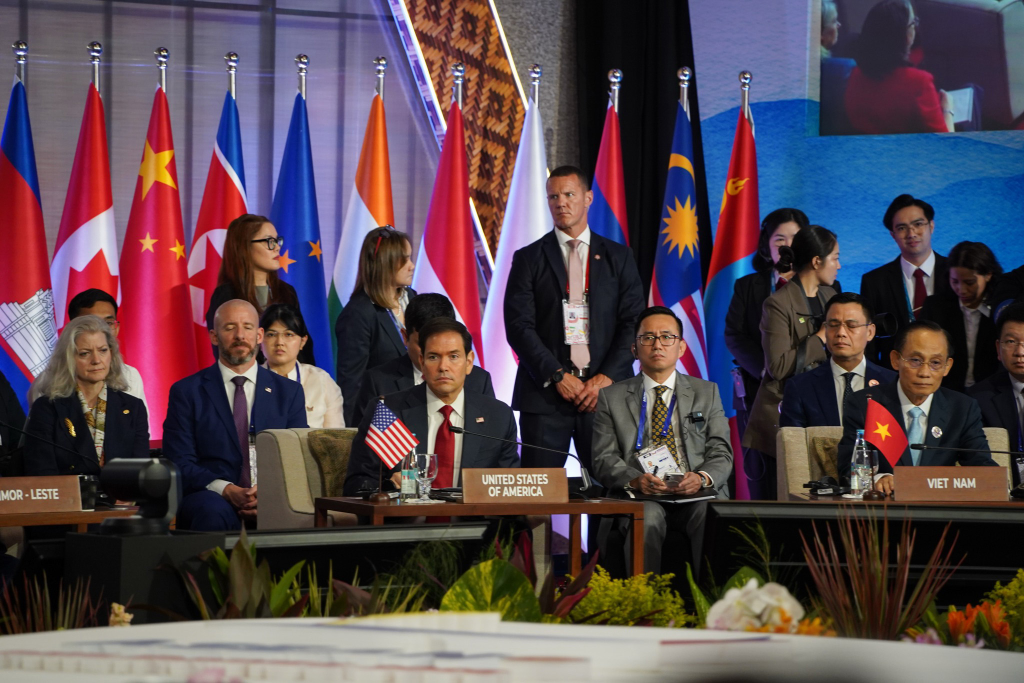
“Wang Yi and Marco Rubio at ASEAN Discuss Xi’s Planned US Visit, South China Sea Clash”, South China Morning Post, July 22
“Trump Minimizes Chance of China Punishment Over Election Claims”, Bloomberg, July 21
“Rubio Says Xi Still Set to Visit US After Trump Speech – Bloomberg”, Bloomberg, July 20
“Trump’s Fiery China Allegations May Threaten Superpower Truce”, Reuters, July 17
“China Urges US to Handle Taiwan Issue ‘With Utmost Caution’”, Reuters, July 1
Associated News References:
“Philippine president vows to uphold South China Sea ruling in key speech”, AP News, July 27
“Philippines, Japan, US Complete Exercises in South China Sea”, Bloomberg, July 26
“Search for 17 missing crew after Vietnamese cargo ship sinks in South China Sea”, AP News, July 26
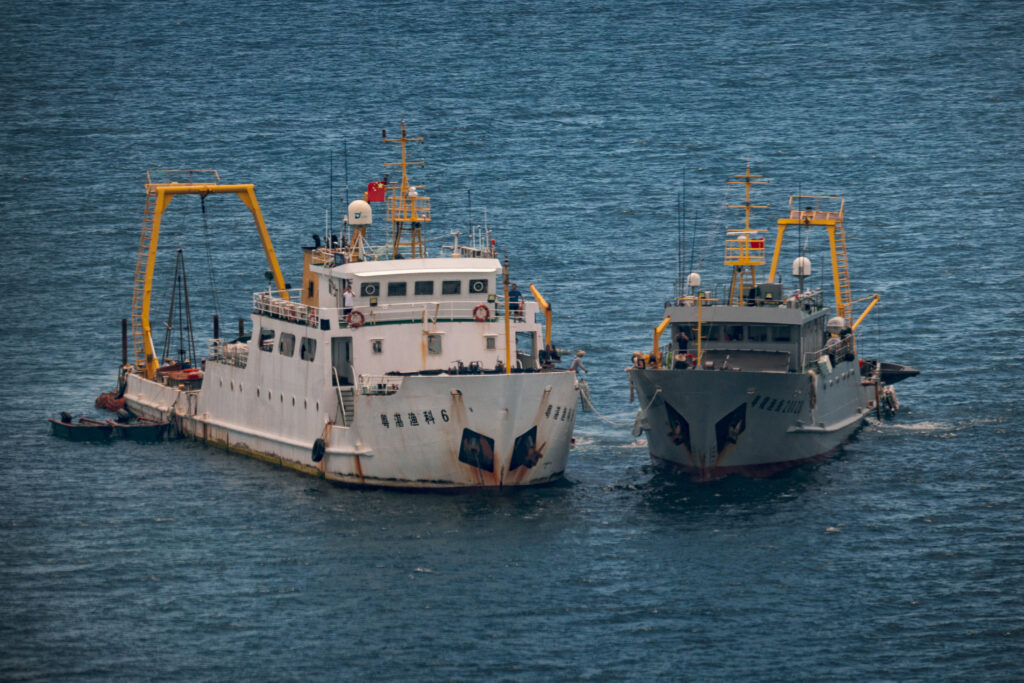
“China, Philippines clash again at Scarborough Shoal, a day after Wang Yi warning”, South China Morning Post, July 23
“Philippines, China summon each other’s envoys over South China Sea incident”, Reuters, July 21
“U.S. condemns China after Philippine sailor injured at disputed shoal”, CNBC, July 20
“Philippines accuses Chinese coast guard of injuring Filipino sailor in disputed shoal”, AP News, July 20
“Philippines protests Chinese state media’s ‘racist’ video depicting Filipinos as monkeys”, Reuters, July 17
“Beijing hits out as US-led coalition marks 10th anniversary of South China Sea ruling”, South China Morning Post, July 12
“Nations reaffirm ruling invalidating China’s claims in South China Sea”, AP News, July 12

Associated News References:
“US accuses China’s Moonshot AI of stealing Anthropic’s Fable to build Kimi K3,” Reuters, July 30
“China accuses US of ‘AI hegemonism’, threatens countermeasures over potential probes,” Reuters, July 27
“Chinese tech firms’ ‘snub’ to US Congress advisers highlights growing AI caution,” South China Morning Post, July 26
“Silicon Valley Splits Over Closing the Borders to Chinese A.I.”, The New York Times, July 25
“DeepSeek Said to Tell Backers of Funding Pause After Viral Posts,” Bloomberg, July 25
“U.S., other nations back open-source AI with ‘strong security’ at China summit,” CNBC, July 24
“EXCLUSIVE: US, China to hold AI talks in September, sources say”, South China Morning Post, July 22
“Full text: Keynote speech by Chinese President Xi Jinping at opening ceremony of 2026 World AI Conference”, Xinhua, July 17
Associated News References:
“US Congressional Group Plans Annual Visits to China After Trade Trip”, SCMP, July 28
“Brazil Sees a Trump-Led Effort to Tilt Election Against Lula”, Wall Street Journal, July 27
“China places former deputy chief of securities regulator under investigation”, Reuters, July 24
“China Adds 14 EU Entities to Export Control List Over Russia-Related Sanctions”, Reuters, July 24
“Ford Actively Helping the Rise of China’s Auto Industry,” Select Committee on the CCP, July 23
“PLA conducts live-fire drills in Taiwan Strait after Beijing calls Lai speech ‘reckless’”, SCMP, July 23
“EU Lawmakers Arrive in China for High-Stakes Talks to Manage Mounting Tensions”, SCMP, July 21
“Trump Order Targets China-Linked Military Mineral Supply Chains”, SCMP, July 21
“China Signals US Restored Hong Kong Privileges Trump Had Revoked,” Bloomberg, July 17
“China Posts Slowest Quarterly Growth Since 2022 as Investment Slumps, Fanning Stimulus Calls,” CNBC, July 15
Three themes stood out in Washington’s China policy discussions over the past week. The first centered on how the Iran conflict is reshaping the global balance of power, with analysts debating whether the war has accelerated the emergence of a more multipolar order, strengthened China’s diplomatic position in the Middle East, and exposed new limits to U.S. influence. The second focused on the evolving security architecture in the Indo-Pacific, as commentators examined how China’s growing power would affect the diplomatic ties within the region as well as how the countries would hedge against Beijing or Washington. Finally, discussions returned to the long-term U.S.-China competition, with experts debating whether the United States still holds the strategic upper hand and arguing that preserving advantages in areas such as AI, biotechnology, economics, and trade will require closer coordination with allies rather than unilateral competition.
July 16 hosted by CSIS
July 17 hosted by Atlantic Council
July 20 hosted by Brookings Institution
July 21 hosted by Stimson Center
July 21 hosted by ASPI
Jul 22 hosted by ASPI
July 23 hosted by PIIE
July 29 hosted by ASPI
July 29 hosted by IIF
July 30 hosted by CSIS
July 31 hosted by USCBC
August 4 hosted by CSIS
August 4 hosted by Hudson Institute
August 4 hosted by USCBC
The Strategic Reserve Beyond the Oil Tank
By Zhangchen Wang
July 20, 2026
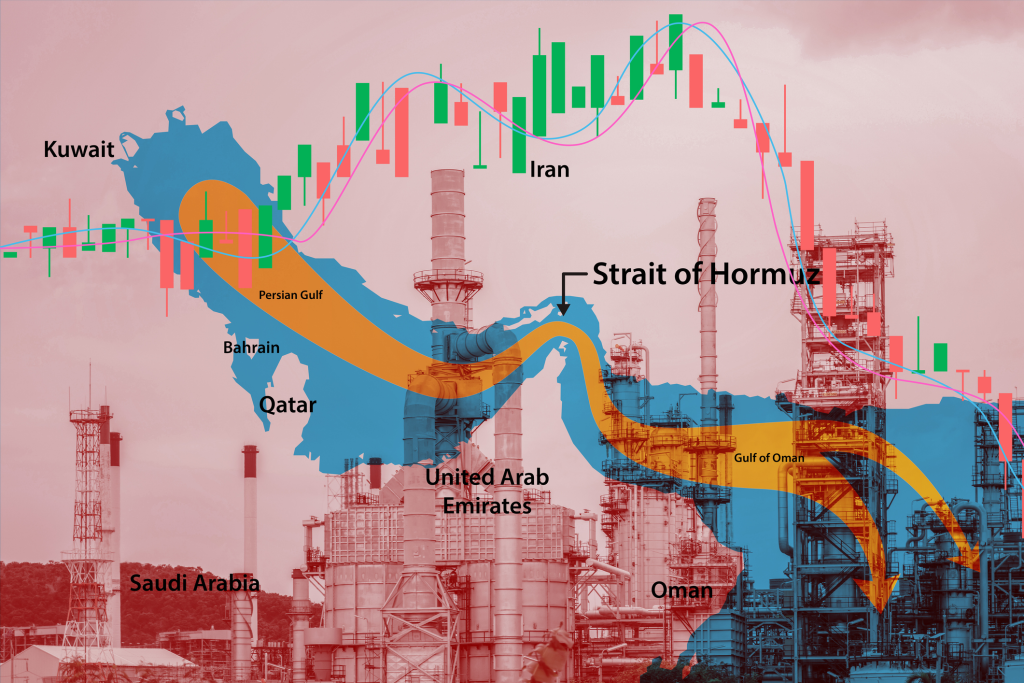
China’s response to the Strait of Hormuz crisis shows that oil-importing countries can strengthen energy security from the demand side. Since the United States and Israel launched attacks on Iran on February 28, severe restrictions on tanker traffic through the Strait of Hormuz have caused a major disruption to global oil supplies. At its worst, the disruption removed as much as 14 million barrels per day from the global market and pushed Brent crude to a peak of roughly $126 per barrel in April. The crisis could have become far more severe, and analysts suggest that China’s sharp reduction in crude oil purchases was one of the most important factors limiting further upward pressure on global oil prices. China’s crude imports fell to 7.12 million barrels per day in June, 41.3 percent lower than a year earlier and the lowest level since October 2016.
Strategic Waterways Under Pressure Series: The Bering Strait: Managed Openness at the Arctic Gateway
By Nong Hong
July 17, 2026
As Arctic shipping becomes increasingly viable, the Bering Strait is emerging as a critical test case for Arctic governance. The central concern is not the formal possibility of closure, but whether this narrow and environmentally fragile international strait can remain functionally accessible as vessel traffic increases while emergency-response capabilities remain limited.
In this practical, rather than legal, sense, the Bering Strait illustrates what may be described as conditional passage. It remains legally open and, unlike the Strait of Hormuz, is not subject to coercive obstruction. Yet navigation is shaped—and at times constrained—by geographic conditions, ecological vulnerability, Indigenous subsistence activities, and regulatory requirements. The relevant question is therefore how that right can be exercised safely and sustainably.
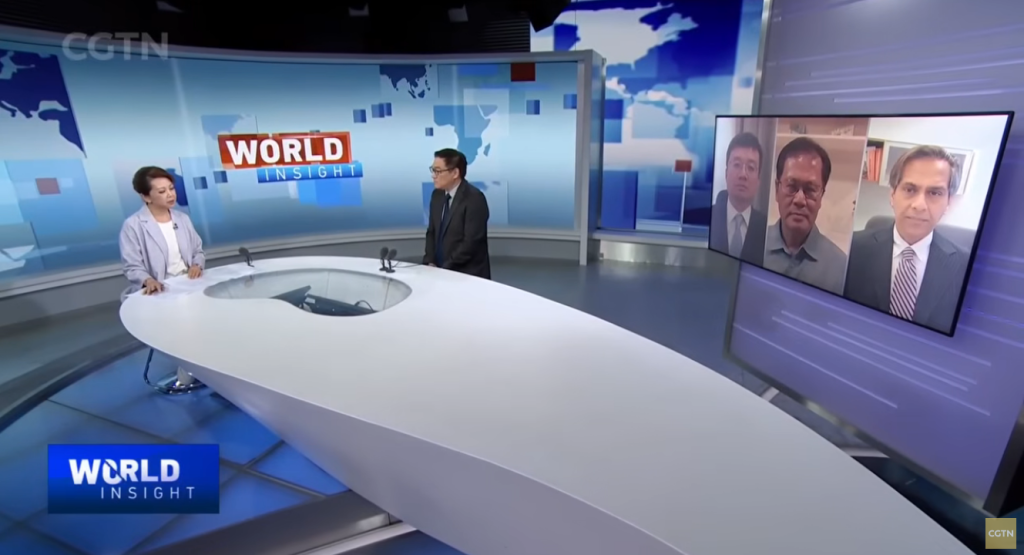
On Friday, July 24, 2026, Senior Fellow Sourabh Gupta was interviewed by CGTN World Insight on U.S.-China-ASEAN relations.
On Thursday, July 23, 2026, Senior Fellow Sourabh Gupta was quoted in SCMP on understanding of China and its diplomatic and policy priorities
On Thursday, July 23, 2026, Senior Fellow Sourabh Gupta was quoted in SCMP on preparations for President Xi’s White House visit in September.
On Thursday, July 23, 2026, Senior Fellow Sourabh Gupta was quoted in SCMP on the state of U.S.-India trade negotiations.
On Monday, July 20, Senior Fellow Sourabh Gupta was quoted in Xinhua on U.S.-Iran tensions.
On Friday, July 17, Senior Fellow Sourabh Gupta was quoted in SCMP on Trump’s claim of Chinese election interference.