
ICAS Bulletin (online ISSN 2836-3418, print ISSN 2836-340X) is published every other week throughout the year at 1919 M St NW, Suite 310, Washington, DC 20036.
The online version of ICAS Bulletin can be found at chinaus-icas.org/bulletins/.
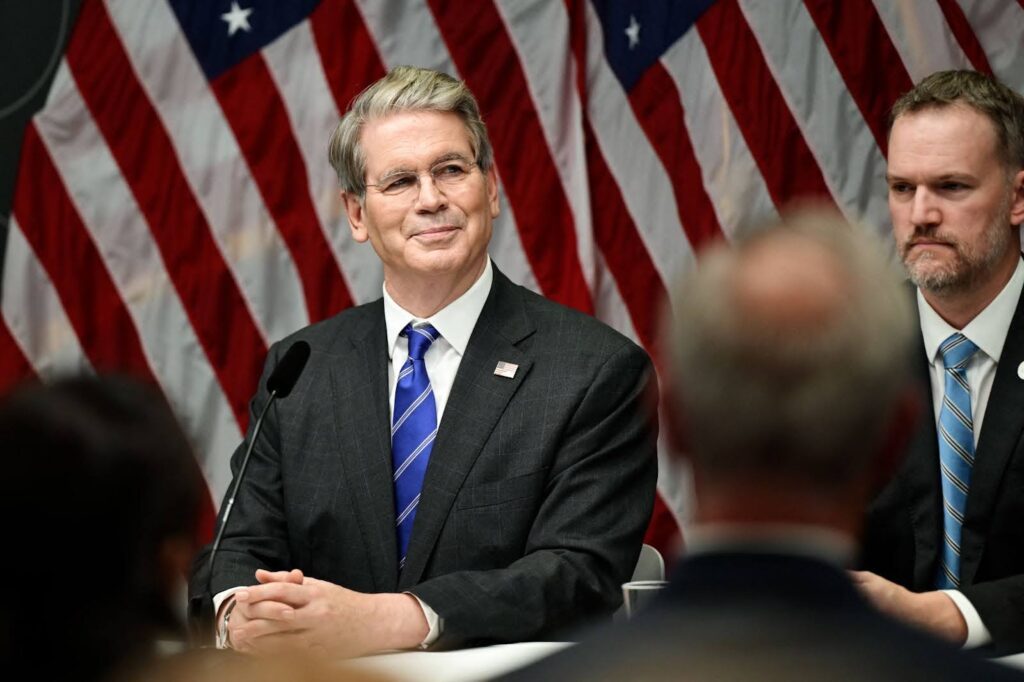
– On July 28, the third round of U.S.-China trade talks led by the U.S. Treasury Secretary Scott Bessent and Chinese Vice Premier He Lifeng took place in Stockholm ahead of the August 12 tariff deadline.
– Prior to the talks, China has reiterated its call to stabilize bilateral trade ties. He Lifeng said the consultations will all be guided by principles of “mutual respect, peaceful coexistence, and win-win cooperation” on July 23.
– Also on July 23, U.S. trade officials signaled they will push for an extension of the current tariff truce. Bessent said discussions will focus on rebalancing trade ties, reducing China’s over-reliance on exports, and pressing for a consumer economy.
– After two days of talks in Stockholm, officials from both countries agreed to seek an extension of their 90-day tariff truce. Trade advisers from both sides sounded a hopeful note about avoiding renewed tariff escalation. The talks could help pave the way for a potential visit by Trump to China.
– Nevertheless, post-talk statements showed lingering divergences. Chinese officials said a consensus had been reached to extend the tariff pause for another 90 days. He Lifeng also emphasized mutual benefit and called for deeper dialogue and cooperation to achieve more “win-win” outcomes in U.S.-China trade relations. However, Bessent insisted no agreement would be final without Trump’s approval, and suggested Beijing had “jumped the gun.”
– Bessent said talks covered U.S. concerns over China’s Iranian oil purchases, tech sales to Russia, fentanyl issue, and industrial overproduction. He stressed the need for Washington to de-risk key sectors such as rare earths, semiconductors, and pharmaceuticals, and secure Chinese deals for U.S. farm and energy exports.
– Additionally, unlike the previous London talk, U.S. Commerce Secretary Howard Lutnick, who oversees Washington’s export control policies, was not included in the Stockholm talk.
Associated News References:
“China’s Vice Premier He Lifeng to hold US trade talks in Sweden,” Reuters, July 23
“US Treasury chief says trade talks with China to continue next week in Sweden,” South China Morning Post, July 23
“US, China To Resume Tariff Talks in Effort to Extend Truce,” Reuters, July 27
“China-US Trade Talks Conclude without Deal to Prevent Tariffs from Surging Again,” CNN, July 29
“US, China Tariff Truce Holds for Now But US Says Trump Has Final Say,” Reuters, July 29
“China, US finish Stockholm trade talks with divergence on timing of tariff pause extension,” South China Morning Post, July 29
“US and China agree to work on extending the tariff pause deadline in trade talks in Stockholm,” AP News, July 29
“Trump Set to Make Final Call on China Tariff Truce Extension,” Bloomberg, July 29
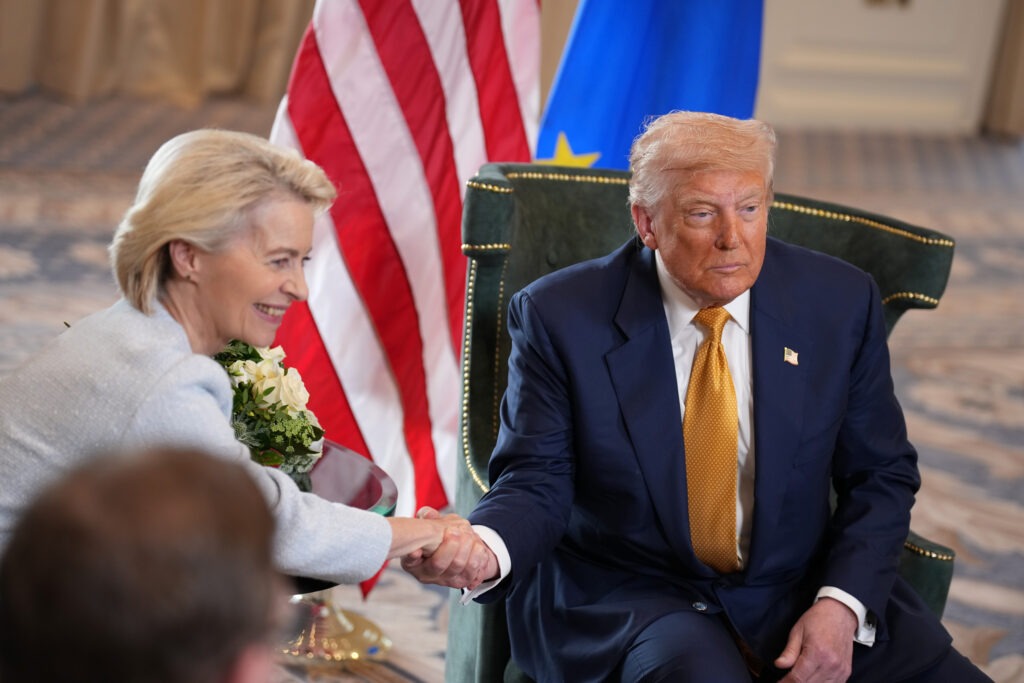
– On July 28, the U.S. and EU struck a framework trade agreement and averted the August 1 tariff deadline which may lead to a wider trade war between the two large economies.
– The deal will see the U.S. impose a 15% tariffs on most EU goods while the EU will invest $600 billion in the U.S. and increase its purchases of U.S. energy and military equipment.
– On July 28, however, just a few hours after the U.S. and EU reached their framework trade agreement, the EU admitted it does not have the power to deliver on its promise to invest $600 billion in the U.S. economy.
– Just days before the transatlantic trade deal was reached, on July 24, EU leaders met with Chinese President Xi Jinping at the EU-China summit in Beijing.
– The EU-China summit, however, produced limited outcomes as the two sides agreed to enhance cooperation on climate change while trade issues remain unresolved.
– While trade concerns remain, Beijing and Brussels agreed to expand cooperation on cross-border flow of automobile data during the second meeting of the China-EU Exchange Mechanism on Cross-Border Data Flows on July 17.
– Although the U.S. and EU avoided an escalated trade war, the trade deal has received sharp criticism from France as President Emmanuel Macron said the bloc was not “feared” by President Trump on July 30.
– As China and the U.S. continue their trade impasse, the European Central Bank suggested on July 30 that the tension could lead to a 10% rise in Chinese imports to Europe that would bring down inflation.
Associated News References:
“EU admits it can’t guarantee $600B promise to Trump,” POLITICO, July 30
“Chinese trade diversion from US would cut euro zone inflation, ECB blog says,” Reuters, July 30
“Von der Leyen played hardball with China. Then she won a trade deal with Trump.,” POLITICO, July 30
“France Criticizes E.U.’s Trade Deal With Trump,” The New York Times, July 28
“US and EU avert trade war with 15% tariff deal,” Reuters, July 28
”Trump’s EU Deal Averts Disaster. But Few are Cheerin,” CNN, July 28
“US, China Hold New Talks on Tariff Truce, Easing Path for Trump-Xi Meeting,” Reuters, July 28
“China’s Xi urges Europe to make ‘the right strategic choice’ amid global trade turbulence at key summit,” CNN, July 24
“International: China and EU discuss cross-border data flows,” Data Guidance, July 19
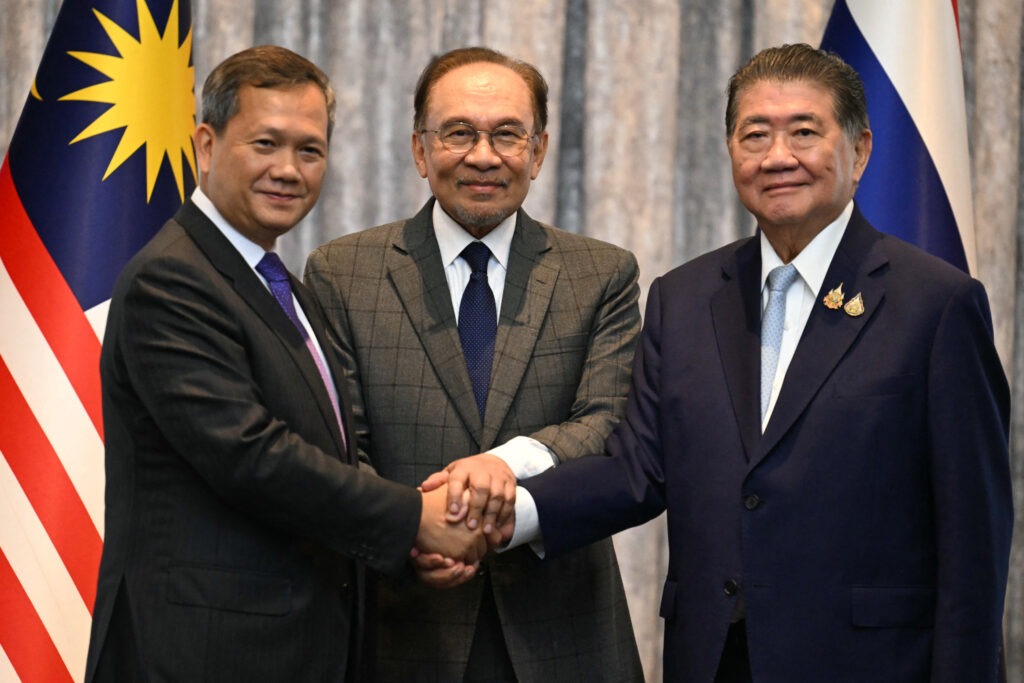
– Thailand and Cambodia agreed to an immediate and unconditional ceasefire at a meeting in Malaysia on July 28 after five days of deadly border conflict.
– The conflict, developed from a border incident in May, resulted in at least 43 dead and nearly 300,000 people displaced.
– Since May, China, the U.S., and Malaysia have all offered to facilitate dialogue between the two countries.
– China had offered help to resolve the Thailand-Cambodia border dispute prior to the July 25 armed conflict and urged peace on the matter during an ASEAN summit in Malaysia.
– On July 25, China said it will support ASEAN efforts to mediate and blames Western colonial legacy for causing the conflict.
– U.S. President Donald Trump managed to communicate with both Thailand, a U.S. ally, and Cambodia, which has close ties with China, to work out a quick ceasefire three days after the armed conflict took place.
– Malaysia, which chairs the ASEAN forum this year, has played a role in communicating between Thailand and Cambodia to eventually reach a ceasefire.
Associated News References:
“Thailand and Cambodia trade accusations but fragile truce holds,” Reuters, July 30
“Thailand and Cambodia reaffirm ceasefire after China-Brokered Meeting in Shanghai,” Associated Press, July 30
“Cease-Fire in Deadly Thailand-Cambodia Conflict Gets Armies’ Backing,” The New York Times, July 29
“Thailand and Cambodia to hold talks on deadly border conflict in Malaysia,” Reuters, July 27
“Trump Says Thailand, Cambodia Agree to Hold Immediate Ceasefire Talks,” Reuters, July 26
“Thai-Cambodian conflict: China blames Western colonial legacy for dispute,” South China Morning Post, July 26
“Exclusive: Thailand Favours Direct Talks to End Cambodia Conflict, Rather Than Mediation,” Reuters, July 25
“Thailand Launches Airstrikes on Cambodia as Border Clashes Leave at Least 14 Dead,” Associated Press, July 24
“China Offers to Help Resolve Thailand, Cambodia Border Dispute,” Reuters, July 11
– On July 23, the White House released “Winning the AI Race: America’s AI Action Plan,” outlining over 90 federal policy actions aimed at accelerating innovation, building AI infrastructure, and strengthening international leadership.
– The White House’s Plan also introduces new export controls on semiconductor tech, faster permitting for data centers and chip fabs, and rules to keep AI systems free from bias, while calling for closer coordination with allies and stricter enforcement against adversaries.
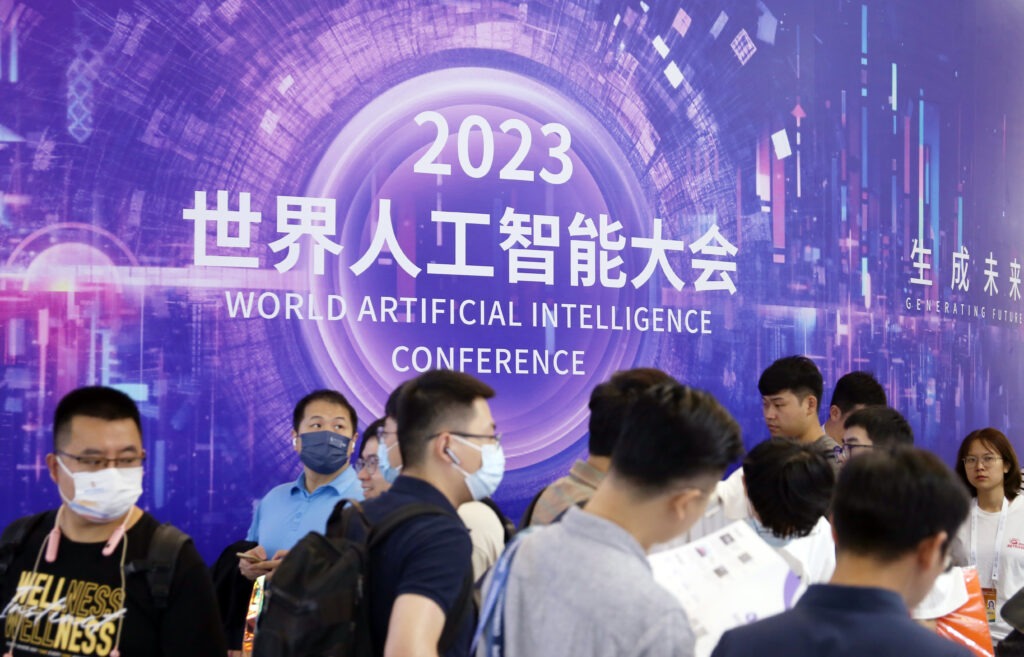
– As the United States pushes its AI development alone, China hosts the 2025 World Artificial Intelligence Conference (WAIC2025) on July 26 to unveil a global vision for AI development and oversight.
– In his speech during the WAIC2025, Premier Li Qiang called for urgent international coordination to build a widely accepted governance framework, especially with the Global South, and he warned that technological monopolies and export restrictions risk turning AI into “an exclusive game for a few countries.” Li Qiang called for stronger international coordination to address regulatory fragmentation, chip shortages, and talent barriers.
– WAIC2025 serves as both a technology expo and a platform for international AI collaboration, amid geopolitical tensions and the competition over AI influence worldwide.
– Nvidia was notably absent from WAIC2025 even as it seeks to resume H20 chip sales to China. Huawei headlined the event with its Atlas 900 A3 SuperPoD. Despite being individually less powerful than Nvidia’s flagship Blackwell GPUs, Huawei’s new product can collectively match performance levels. Other U.S. tech firms, including Tesla, Google, and Amazon, maintained a presence at the conference.
Associated News References:
“White House Unveils America’s AI Action Plan,” The White House, July 23
“No ‘woke AI’ in Washington, Trump says as he launches American AI action plan,” CNBC, July 24
“World AI Conference in Shanghai Showcases China’s Tech Prowess and Booming Industry amid Rising Global AI Competition,” Global Times, July 26
“China Proposes New Global AI Cooperation Organisation,” Reuters, July 26
“China pitches global AI governance group as the US goes it alone,” CNN, July 28
“Where is Nvidia? Chinese rivals take the limelight at major AI event in Shanghai,” CNBC, July 28
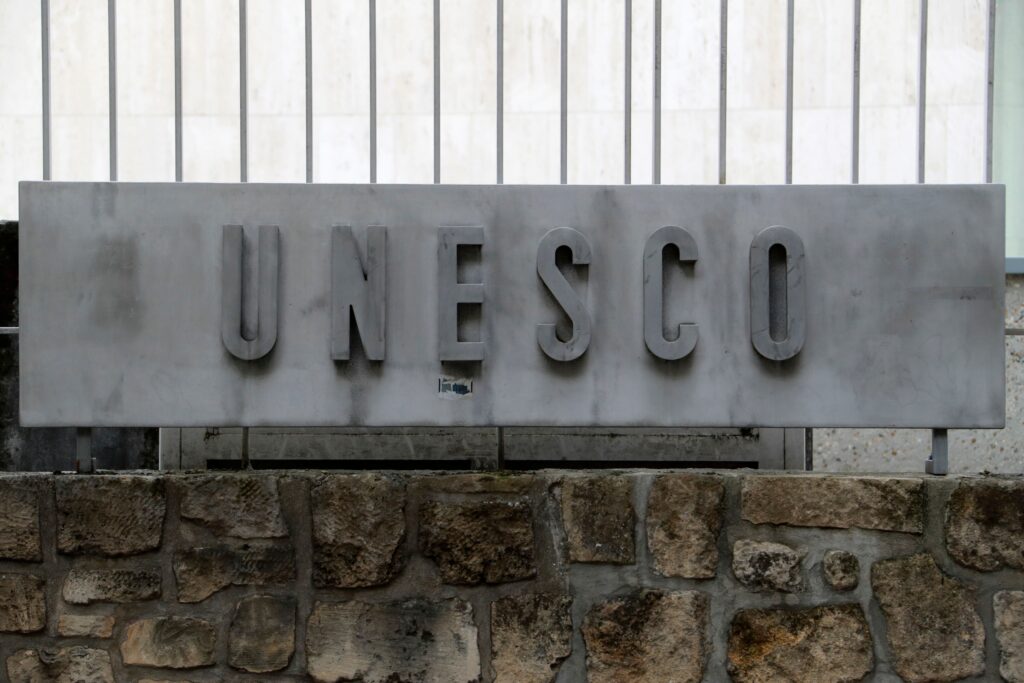
– On July 22, President Donald Trump announced that the U.S. will quit the United Nations Educational, Scientific and Cultural Organization (UNESCO), just two years after rejoining the UN agency, citing anti-Israel bias and “woke” causes.
– UNESCO’s Director-General Audrey Azoulay expressed deep regret to President Trump’s decision, said that the organization has prepared for such action by diversifying funding, and rebuked claims made by the U.S.
– China criticized the U.S. decision, noted the U.S. had long failed to pay its dues, while expressing firm support for UNESCO, also stating that China does not aim to challenge or replace the U.S., but hopes its role is viewed objectively.
– Only July 28, the U.S. Department of State has confirmed plans to burn nearly 10 million worth of contraceptives for low-income countries as the Trump administration scales back foreign aid.
– On July 30, the Trump administration rescinded USAID’s independent contract authority citing “bribery scheme.”
– On July 14, a report released by Senate Democrats warned of ceding global influence to China as the Trump administration continues to shutter international aid and quitting international institutions.
Associated News References:
“Trump admin rescinds USAID independent contract authority after discovering ‘bribery scheme‘,” Fox Business, July 30
“The U.S. is destroying $9.7 million in contraceptives. Is there another option?,” NPR, July 28
“China Says US Withdrawal from UNESCO ‘Irresponsible’,” AP Archive, July 23
“China Flexes Muscles at U.N. Cultural Agency, Just as Trump Walks Away,” The New York Times, July 23
“Trump Pulls US out of UN Cultural Agency UNESCO for Second Time,” Reuters, July 23
“Withdrawal of the United States of America from UNESCO: Statement by Audrey Azoulay, Director-General,” UNESCO, July 22
“Democrats Accuse Trump of Ceding Global Influence to China,” The New York Times, July 14
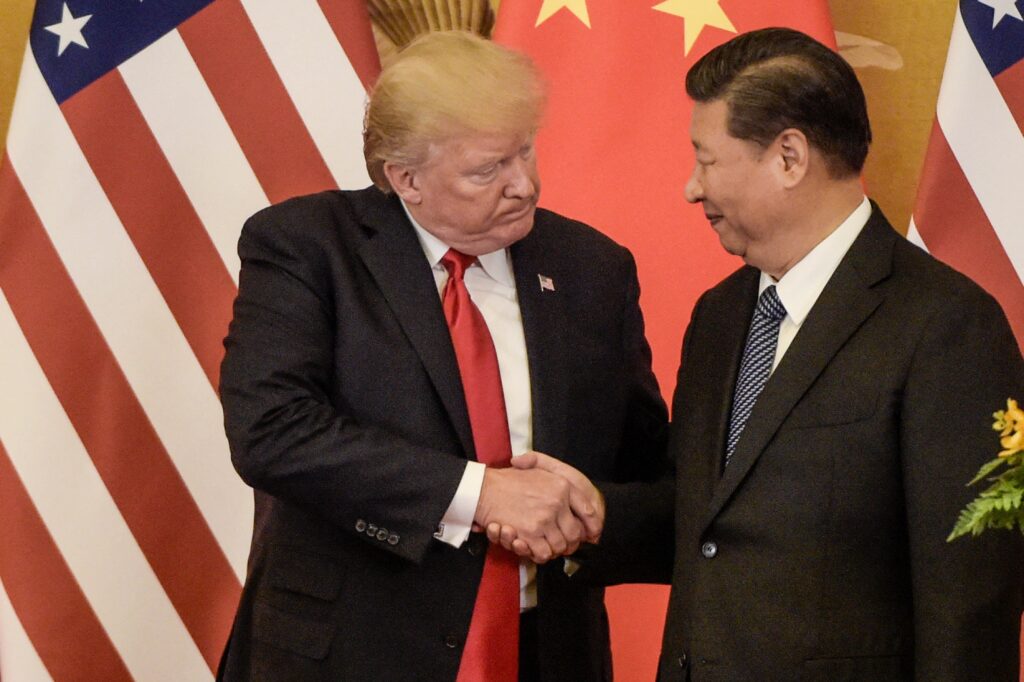
“China calls for more engagement with US, warns against confrontation,” Reuters, July 30
“China Buys Up Property in America’s Hottest Housing Market,” Newsweek, July 30
“US Earth imaging satellite fleet is creating ‘low-cost orbital landmines’: China,” South China Morning Post, July 30
“China Earmarks $12.5 Billion Budget for 2025 Childcare Subsidies,” Reuters, July 30
“US Cancelled Meeting with Taiwan as China Trade Talks Loomed, FT Reports,” Reuters, July 30
“IMF Lifts 2025 GDP Emerging Economies’ Outlook on Improved China View,” Reuters, July 29
“China may gain greater control of Panama Canal after BlackRock deal misses deadline,” Fox News, July 29
“Kremlin Says Putin-Trump Meeting in China ‘Cannot Be Ruled Out’,” The Moscow Times, July 28
“Beijing Pivots to Rein In Excess Capacity Amid Squeezed Industrial Profit,” Wall Street Journal, July 26
“Trump says a China trip is ‘not too distant’ as trade tensions ease,” AP News, July 22
“Daunted by geopolitics and trade war, US companies in China report record-low new investment plans,” AP News, July 17
Red Tape to Rent Relief: China Moves to Reinvent Urban Tenancy
By Rían Knighton
July 28, 2025
Amid ongoing trade tensions across East and Southeast Asia, China has quietly introduced sweeping urban housing reforms that may reshape its rental markets for years to come. In a bold piece of policy from Premier Li Qiang, China has introduced reforms targeting urban state-owned land to take effect Sept 15, 2025. National Order No. 812 is primarily for rental markets in cities such as Beijing, Chengdu, and Chongqing, and excludes rural landowners. As China is still recovering from the 2021 Evergrande crash, it has endured a simultaneous lower income housing shortage whilst record numbers of luxury units sit empty …
US acceleration of offshore critical mineral development raises environmental concerns
By Nong Hong
July 23, 2025
The United States, under the Trump administration, is intensifying its push for offshore critical mineral development through sweeping policy reforms.
Framed as a strategy for enhancing national security and reducing reliance on foreign supply chains, this accelerated approach is part of a broader effort to secure domestic access to minerals vital for clean energy technologies, defense systems and high-tech manufacturing. However, it is also drawing growing international scrutiny and sparking debate over its implications for environmental protection and global ocean governance…
U.S. “Big Beautiful Bill” Redraws Map for Chinese Exporters
By Yilun Zhang
July 18, 2025
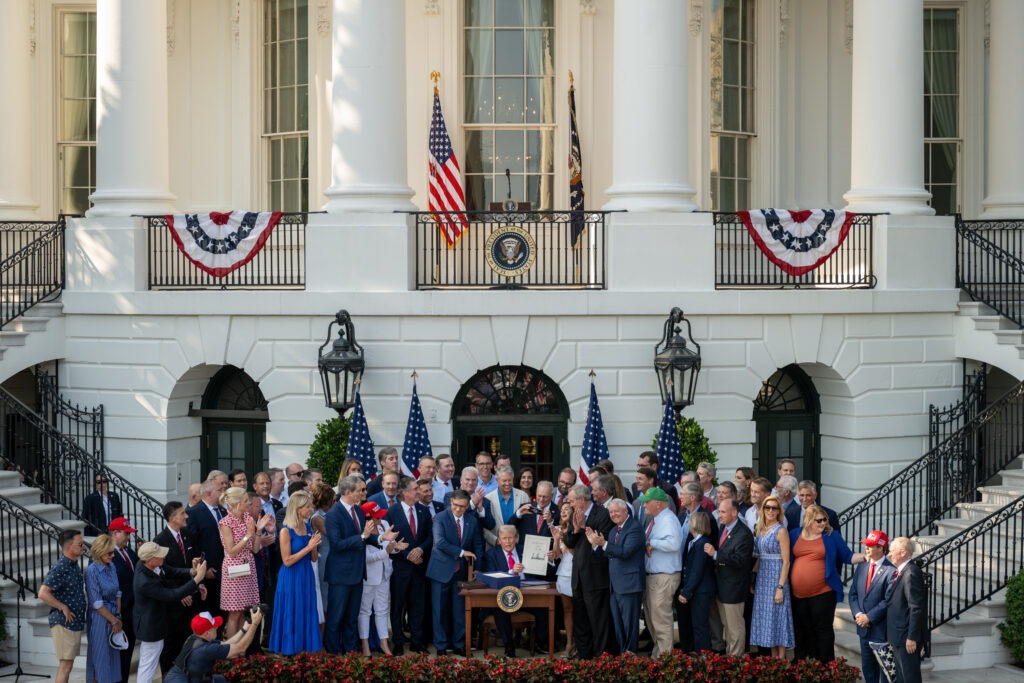
With the signing of the American Tax, Security, and Prosperity Act—widely known as the “One Big Beautiful Bill”—the U.S. Congress has enacted the most consequential trade-related legislation for Chinese exporters in nearly a decade. While framed in Washington as a domestic economic package and Trump’s MAGA accomplishment, the bill contains structural provisions that will redefine market access, regulatory risks, and supply chain pathways for manufacturers, particularly those in low-margin sectors like textiles, household goods, and cross-border e-commerce…
On Thursday, July 24, 2025, Senior Fellow Sourabh Gupta was interviewed by TRT World on the EU-China summit.
On Thursday, July 24, 2025, Senior Fellow Sourabh Gupta was interviewed by CGTN America on China’s Visa-Free Expansion with Malaysia.


The Institute for China-America Studies is an independent nonprofit, nonpartisan research organization dedicated to strengthening the understanding of U.S.-China relations through expert analysis and practical policy solutions.
1919 M St. NW Suite 310,
Washington, DC 20036
icas@chinaus-icas.org
(202) 968-0595
© 2026 INSTITUTE FOR CHINA-AMERICA STUDIES. ALL RIGHTS RESERVED.