
ICAS Bulletin (online ISSN 2836-3418, print ISSN 2836-340X) is published every other week throughout the year at 1919 M St NW, Suite 310, Washington, DC 20036.
The online version of ICAS Bulletin can be found at chinaus-icas.org/bulletins/.
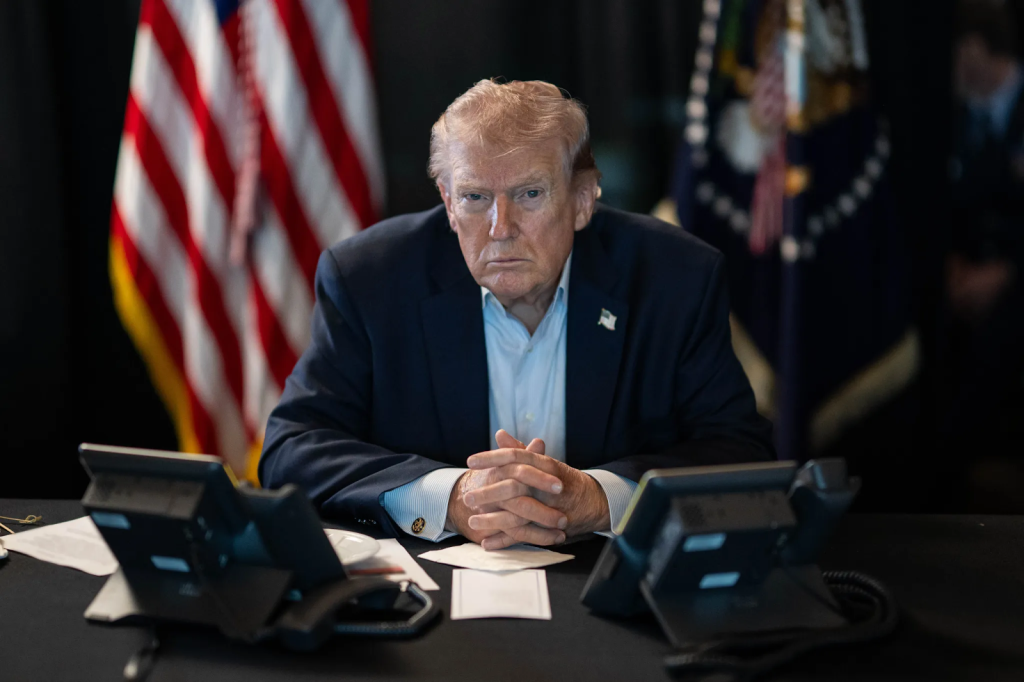
– On March 16, President Trump requested to delay his state visit to China originally scheduled at the end of March by “a month or so” due to the ongoing war in Iran.
– On March 19, Trump delayed the trip further by “about a month and a half,” meaning the Trump-Xi summit likely won’t happen before the end of war in Iran.
– China, having never officially confirmed the state visit, appears open to delaying the Trump-Xi summit.
– U.S. and Chinese officials led by U.S. Treasury Secretary Scott Bessent and Chinese Vice Premier He Lifeng held “remarkably stable” trade talks on March 15-16 in Paris.
– The trade talks covered increased Chinese purchases of U.S. agricultural goods, cooperation on rare earth supply chains, and investment.
– U.S. Trade Representative Jamieson Greer on March 16 said the U.S. and China discussed establishing a “US-China Board of Trade” to oversee bilateral economic ties.
– On March 15, Trump suggested the China summit could be delayed as he pressures Beijing to help reopen the Strait of Hormuz, but Secretary Bessent walked back those remarks on the following day, saying any delay would be a logistical decision, not a demand over Hormuz.
– Bessent also urged markets not to react negatively to a potential postponement, saying the Paris talks with Chinese counterparts went well and that a statement reaffirming stability in the bilateral relationship would follow.
– U.S. Secretary of State Marco Rubio, who was sanctioned by China and had previously shown little interest in visiting, is now expected to accompany President Trump on his upcoming trip to Beijing.
Associated News References:
“Trump-Xi summit on hold until Iran conflict ends, people briefed say,” Politico, March 21
“US assesses China not planning to invade Taiwan in 2027,” Reuters, March 18
“Trump Delay of Xi Talks Buys China Time to Game Out Iran War,” Bloomberg, March 17
“Trump’s summit delay casts pall over US-China trade truce,” Reuters, March 17
“US, China Mull ‘Board of Trade’ to Manage Bilateral Economy Ties,” Bloomberg, March 16
“Bessent Downplays Concern Over Any Trump China Trip Delay,” Bloomberg, March 16
“Trump-Xi China summit may be delayed if Trump wants to stay in Washington for Iran war: Bessent,” CNBC, March 16
“Trump suggests he may delay China trip due to Iran war, but Bessent says it’s not to pressure on Strait of Hormuz,” PBS News, March 16
“Trump signals possible delay to Beijing summit as U.S. pressures China to help reopen Strait of Hormuz,” CNBC, March 16
“Exclusive: US, China discuss farm goods, managed trade in ‘remarkably stable’ Paris talks, sources say,” Reuters, March 16
“Sanctioned Rubio to take part in Trump’s China trip despite previous missed opportunities,” South China Morning Post, March 13

– The International Energy Agency (IEA) on March 11 announced the largest emergency oil reserves release in its history at 400 million barrels, representing roughly 20 days of lost Strait supply.
– On March 14-15, President Trump appealed to “China, France, Japan, South Korea, the UK, and others” as well as members of NATO to send warships to help secure the Strait of Hormuz. The request came as the White House is looking to reassure financial markets with high-level statements of support.
– Japan, the UK, France, Germany, Italy, and the Netherlands on March 19 issued a joint statement condemning Iranian attacks on Persian Gulf states and the closure of the Strait of Hormuz, expressing readiness to help ensure safe passage through the waterway while commending the IEA’s decision to release oil from member reserves.
– On March 23, President Trump ordered a five-day postponement of strikes on Iranian power plants and energy infrastructure, saying the U.S. and Iran have had “very good and productive conversations” with “major points of agreement” toward a resolution, and that Iran must give up its enriched uranium stockpile for a deal.
– Iran’s Foreign Ministry denied any dialogue with Washington and said Trump’s move was aimed at reducing energy prices and buying time for military plans, while the IRGC warned it would target power plants supplying U.S. bases and Gulf energy infrastructure if Trump carried out earlier threats.
– On March 19, China repeated its rhetoric to call for an end to the conflict in Iran and undisturbed waterway safety.
– Iran has continued exporting roughly 1 million barrels of oil per day through the Strait of Hormuz since the war began, while selectively allowing passage for non-allied countries, with India securing transit for two vessels after releasing three seized Iranian tankers.
– As of March 16, Iran is also considering allowing a limited number of oil tankers through the strait on the condition that cargoes are traded in Chinese yuan rather than U.S. dollars.
– It was reported on March 24 that Iran has begun charging transit fees of up to $2 million per voyage on some commercial vessels passing through the Strait of Hormuz and is considering formalizing the charges as part of a postwar settlement.
– On the same day, Chinese Foreign Minister Wang Yi urged his Iranian counterpart Abbas Araghchi to engage in negotiations with the U.S. as soon as possible to end the war, saying “talking is better than fighting.”
– The Trump administration on March 12 temporarily lifted sanctions on roughly 130 million barrels of Russian oil already at sea until April 11 in an effort to contain soaring energy prices from the Iran war.
– Later, the U.S. Treasury authorized the purchase of roughly 140 million barrels of Iranian oil already at sea until April 19, with Secretary Bessent framing it as using “Iranian barrels against Tehran to keep the price down.”
– China ordered an immediate ban on exports of gasoline, diesel, and aviation fuel in March to pre-empt a potential domestic shortage caused by the Iran war, going beyond the previous halt issued on March 4.
– It was reported on March 16 that China has effectively halted exports of most fertilizer types except ammonium sulfate and has begun releasing commercial stockpiles early to secure domestic supplies for spring planting, as the war in Iran disrupted global supply and pushed Chinese urea spot prices up by nearly 40%.
– Iranian authorities confirmed on March 17 that Ali Larijani, a top Iranian security official believed to be running the country since Supreme Leader Khamenei’s death, was killed in an Israeli strike.
Associated News References:
“Iran Charges Some Ships Hormuz Transit Fees for Safe Passage,” Bloomberg, March 24
“Trump postpones military strikes on Iranian power plants for five days,” Al Jazeera, March 23
“China calls for end to Gulf conflict, offers to ease Southeast Asia energy crunch,” Reuters, March 19
“Japan, Europeans signal ‘readiness to contribute’ to efforts to keep Strait of Hormuz open,” The Hill, March 19
“Ali Larijani, believed to be running Iran since the beginning of the war, is killed in a strike,” Associated Press, March 17
“Trump presses allies for Hormuz pledges, but not specifics,” Politico, March 17
“China Reins in Fertilizer Exports as War Pushes Up Global Prices,” Bloomberg, March 16
“Trump demands NATO and China police the Strait of Hormuz. So far they aren’t joining,” NPR, March 16
“Trump Removes Sanctions on Russia to Help Oil Flow Amid Iran Conflict,” The New York Times, March 12
“China orders immediate ban on March fuel exports, sources say,” Reuters, March 12
“IEA Will Launch Largest-Ever Oil Release From Global Strategic Reserves,” The Wall Street Journals, March 11
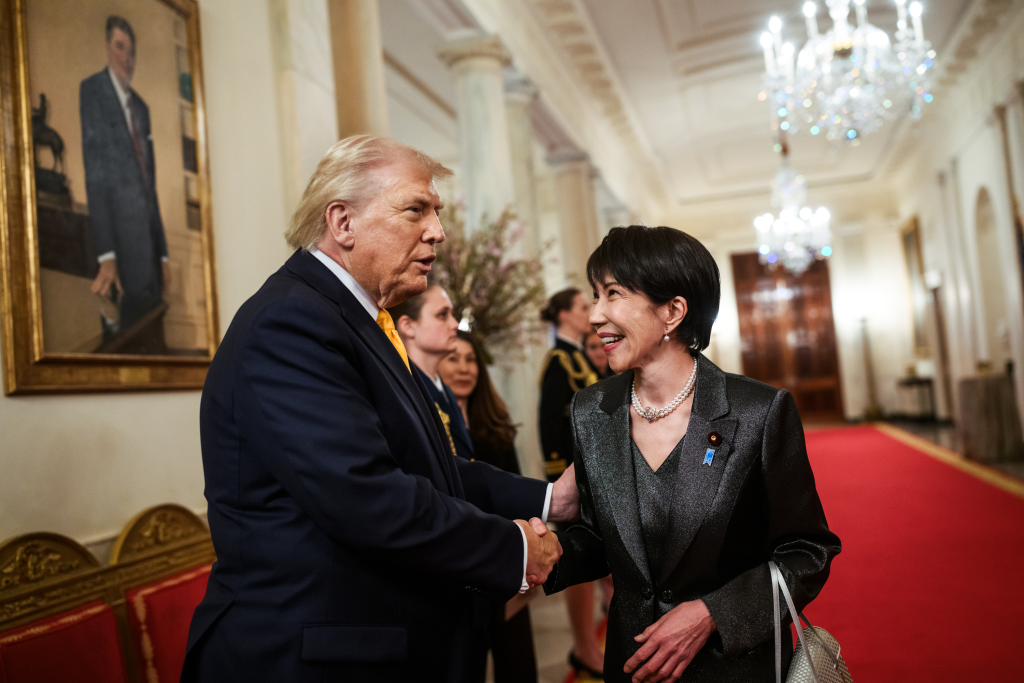
– Japanese Prime Minister Sanae Takaichi paid her first trip to the U.S. since taking office from March 19-21, the first leader of the G7 to visit after the war in Iran. The visit covered the Iran war, Japan’s investment, and technological cooperation.
– During the summit, Prime Minister Takaichi cited constitutional constraints under Article 9 in declining to dispatch Self-Defense Forces to the Strait of Hormuz though Foreign Minister Toshimitsu Motegi raised the possibility of Japanese minesweeping operations after a ceasefire.
– Post summit, both sides announced a second round of Japanese-financed projects in small modular reactor plants and natural gas facilities, amounting to $109 billion of Japan’s $550 billion capital commitment.
– On the same day, the U.S. and Japan released an action plan to develop alternatives to China for critical minerals supply chains, focusing on coordinated trade policies including border-adjusted price floors for select minerals, while announcing potential investment deals such as Albemarle’s North Carolina lithium project and Mitsubishi Materials’ talks with Indiana-based ReElement Technologies.
– Prime Minister Takaichi said that Japan may begin stockpiling U.S. crude oil domestically to diversify its energy procurement.
– Released during her visit, the Annual Threat Assessment characterized Prime Minister Takaichi’s remarks on Taiwan as a “significant shift for a sitting Japanese prime minister.” The report backed away from previous projections that China plans to invade Taiwan by 2027, instead saying Beijing has no fixed timeline and would prefer unification without force.
– On March 19, Japan rejected the characterization, with Chief Cabinet Secretary Minoru Kihara saying the assessment “is not accurate” and that Tokyo’s position has been consistent.
Associated News References:
“Takaichi tells Trump Article 9 limits Japan’s role in Iran war,” The Asahi Shimbun, March 23
“Takaichi wraps up US trip,” NHK, March 21
“Japan and U.S. announce second round of projects from Tokyo’s $550 billion pledge,” The Japan Times, March 20
“Japan may stockpile US oil domestically, PM says,” Reuters, March 20
“US, Japan to focus rare earths cooperation on select group of minerals at first,” Reuters, March 19
“Japanese leader faces a ‘very difficult’ meeting with Trump as he presses for help with Iran,” NBC News, March 19
“US Intelligence Agencies Soften Outlook on China’s Plans for Taiwan,” Bloomberg, March 18
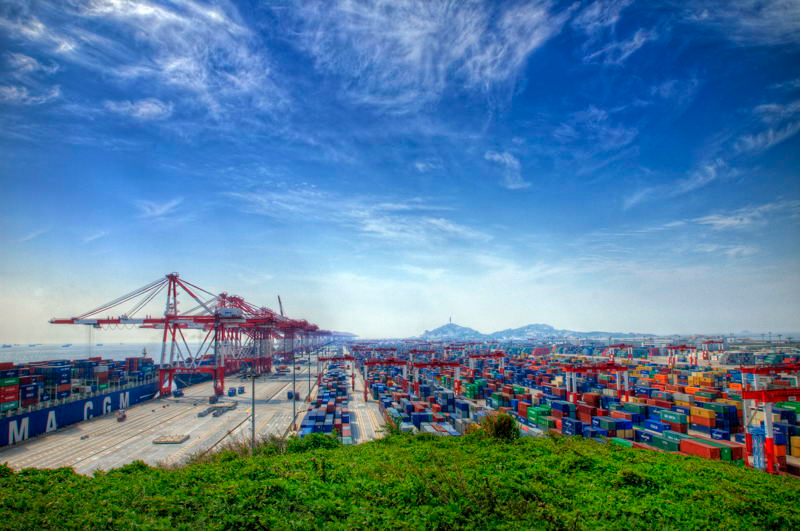
– The Trump administration on March 11 launched Section 301 trade investigations on China, Mexico, the EU, and 13 other economies over “structural excess capacity” in manufacturing, aiming to replace the reciprocal tariffs struck down by the Supreme Court. Treasury Secretary Bessent predicted that tariff rates will return to pre-ruling levels within five months.
– China’s Commerce Ministry on March 16 spoke against the USTR’s new Section 301 investigation, calling it “extremely unilateral, arbitrary and discriminatory” and an abuse of the investigation process to build trade barriers, while urging Washington to resolve disputes through dialogue.
– The U.S. Federal Communications Commission on March 23 banned the import of all new foreign-made consumer routers, citing severe cybersecurity risks. The move is estimated to control at least 60% of the U.S. home router market.
– Chinese Premier Li Qiang on March 22 pledged to further open China’s economy to foreign firms and pursue more balanced trade with global partners at the China Development Forum. Central bank governor Pan Gongsheng sought to alleviate concerns about the country’s record $1.2 trillion trade surplus by noting China also runs the world’s largest services deficit.
– China’s economy showed stronger-than-expected momentum in January-February, with industrial output rising 6.3%, retail sales jumping 2.8%, and fixed asset investment unexpectedly rebounding 1.8%.
– China’s exports surged 21.8% in January-February, far exceeding the 7.1% forecast, driven by a 66.5% jump in semiconductor shipments and strong electronics demand, pushing the trade surplus to $213.6 billion and putting the economy on track to surpass last year’s record, though the Iran war’s impact on energy prices and shipping could disrupt the momentum.
Associated News References:
“China Eases Planned Increase to Gas Prices for 300 Million Drivers,” The New York Times, March 24
“US bans new foreign-made consumer internet routers,” BBC, March 23
“China pledges more balanced trade and further opening of the economy after record surplus,” Reuters, March 22
“China warns Trump’s latest tariff moves could damage trade ties,” Associated Press, March 16
“China’s economy builds early momentum in 2026 as global risks mount,” Reuters, March 15
“China’s mediation eases fighting between Pakistan, Afghanistan, sources say,” Reuters, March 12
“Trump administration launches Section 301 trade probes into Mexico, China, EU, others,” CNBC, March 11
“China’s exports turbocharge into 2026 after record-breaking year,” Reuters, March 9
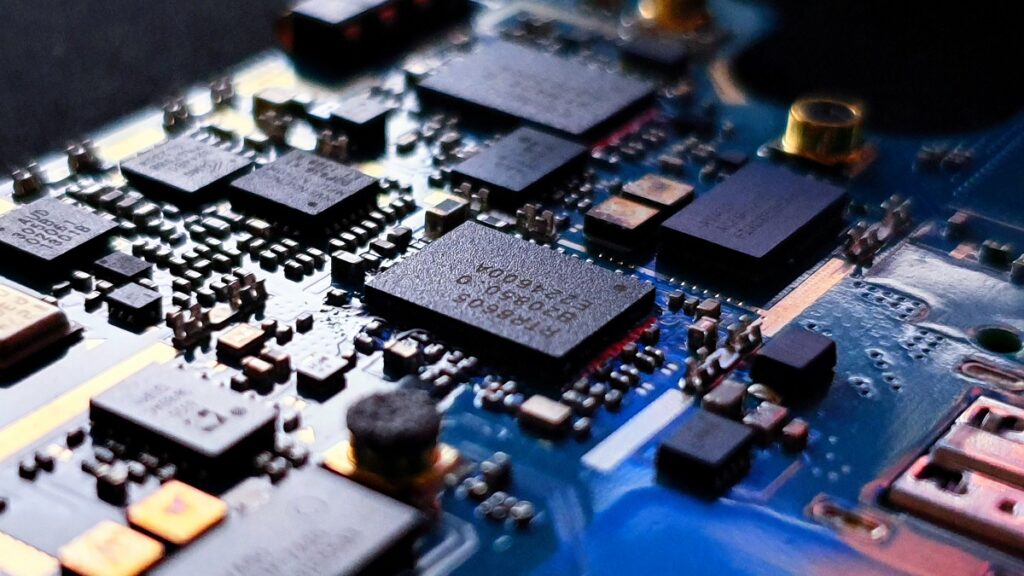
– March 12 reports indicated that ByteDance is assembling computing power outside China through a Southeast Asian company called Aolani Cloud, with plans to deploy around 36,000 Nvidia Blackwell B200 chips in Malaysia worth over $2.5 billion to fuel its global AI ambitions.
– On March 18, it was confirmed Nvidia won Beijing’s approval to sell its H200 AI chips to China after months of regulatory delays, with CEO Jensen Huang saying the supply chain is “getting fired up”. The company is also preparing a version of its Groq inference chip for the Chinese market, expected to be available in May.
– Super Micro Computer co-founder Yih-Shyan “Wally” Liaw, employee Ruei-Tsang “Steven” Chang, and contractor Ting-Wei “Willy” Sun were indicted on March 19 for allegedly directing a scheme to smuggle $2.5 billion dollars worth of Nvidia AI chip-equipped servers to China in violation of U.S. export-control laws. Liao and Sun were subsequently arrested on the same day.
– Tencent on March 22 launched ClawBot, a tool integrating its WeChat messaging platform with the OpenClaw AI agent for its over 1 billion users.
– More than 80 global executives from companies including Apple, Eli Lilly, and Volkswagen attended the China Development Forum in Beijing from March 23-24, signaling renewed interest in the Chinese market as Premier Li Qiang pledged to ease foreign access to the services sector and increase imports of healthcare and digital technology products.
Associated News References:
“U.S. executives, from Apple to Eli Lilly, revamp their push into the world’s second-largest economy at the China Development Forum,” CNBC, March 23
“Tencent integrates WeChat with OpenClaw AI agent amid China tech battle,” Reuters, March 22
“Tech Exec Accused of Smuggling Nvidia Chips to China Resigns From Board,” The Wall Street Journal, March 20
“Nvidia gets Beijing’s nod for H200 chip sales, adapts Groq chip for China, sources say,” Reuters, March 18
“China’s ByteDance Gets Access to Top Nvidia AI Chips,” The Wall Street Journal, March 12
“US robot-makers’ push to counter China ‘in a hold’ ahead of Trump-Xi summit,” Semafor, March 23
“Taiwan Debates Military Spending as Choices Over U.S. and China Loom,” The New York Times, March 23
“US claims China manipulating its position at UN to undermine America’s interests,” South China Morning Post, March 23
“China’s open-source dominance threatens US AI lead, US advisory body warns,” Reuters, March 23
“Washington signals it wants China kept out of Brazil’s largest port auction,” South China Morning Post, March 17
“Tesla’s China sales climb in the first two months of 2026 while BYD numbers drop,” CNBC, March 13
“Lilly beefs up oral GLP-1 capacity with $3B manufacturing pledge in China,” Fierce Pharma, March 11
Energy volatility is turning AI’s power demand into a near term US challenge
By Zhangchen Wang
March 24, 2026
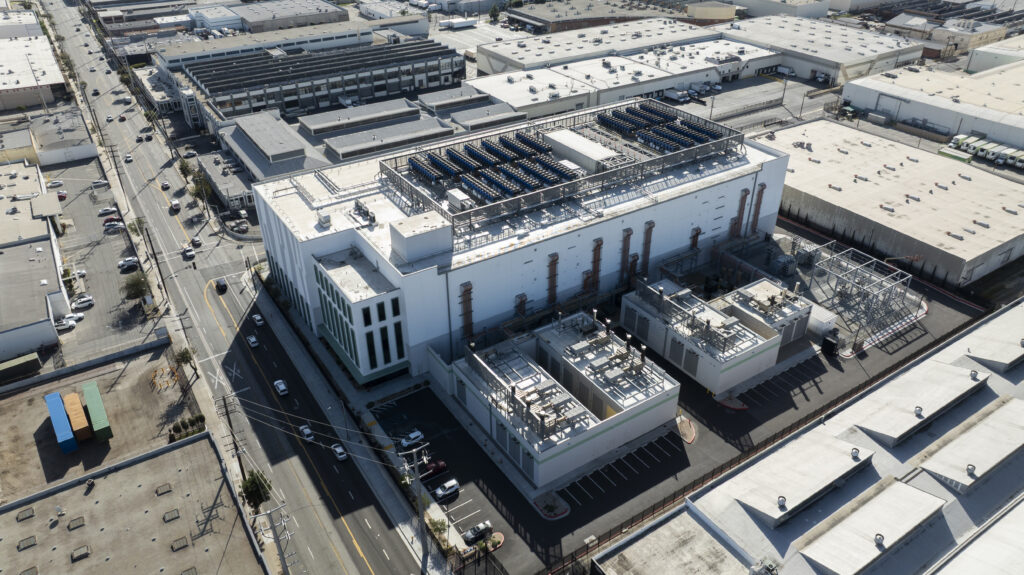
The combined effects of the rapid expansion of artificial intelligence (AI) and renewed volatility in global energy markets, amid geopolitical tensions centered on the Iran crisis, are bringing U.S. energy security strategy into a new phase. AI-driven electricity demand was previously framed as a medium-term challenge, with projections suggesting that data center energy demand could nearly double by around 2030. However, recent disruptions in global energy markets are pulling this issue into the realm of near-term strategic concern, as energy shocks could transmit into electricity markets and lead to sharp price volatility over a very short period of time…
Mining Code Countdown: Inside the ISA’s March Window—and the Interest-Group Fault Lines Shaping Deep-Sea Governance
By Nong Hong
March 19, 2026
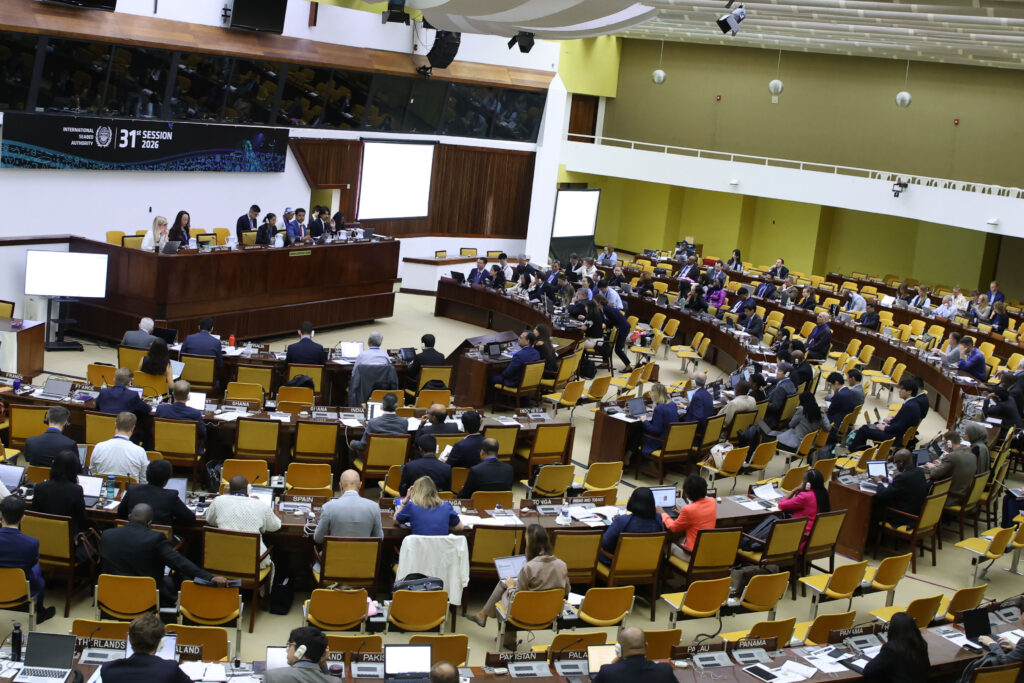
From 9–19 March 2026, the International Seabed Authority (ISA) Council met in Kingston, Jamaica, following the Legal and Technical Commission (LTC) session held 23 February–6 March (largely behind closed doors). The ISA’s 31st Session effectively operates in two stages: a March negotiating window and a July decision window. That sequencing matters because it creates a practical test of institutional credibility: can the ISA still produce a workable multilateral rulebook before deep-sea mining governance normalizes into parallel, fragmented pathways?
Rome’s Arctic Message: Observer Participation and Competing Greenland Narratives
By Nong Hong
March 12, 2026
The Arctic Circle Rome Forum – Polar Dialogue: From Glaciers to Seas (Rome, March 3–4, 2026) was not simply another polar science meeting. Hosted at Italy’s National Research Council (CNR) headquarters, it brought together participants from over 40 countries across governments, research institutions, Indigenous communities, and civil society—an unusually broad mix for a forum held outside the Arctic region itself. The organizers framed the discussions around five keywords—science, diplomacy, security, education, and research—which are a concise snapshot of where Arctic governance is heading: toward a blended space where knowledge production, geopolitical risk, and institutional design increasingly sit in the same room.
On Saturday, March 21, 2026, Senior Fellow Sourabh Gupta was quoted by South China Morning Post on Trump’s delayed China state visit.
On Thursday, March 19, 2026, Senior Fellow Sourabh Gupta was quoted by China Daily on Paris U.S.-China Trade Talks.
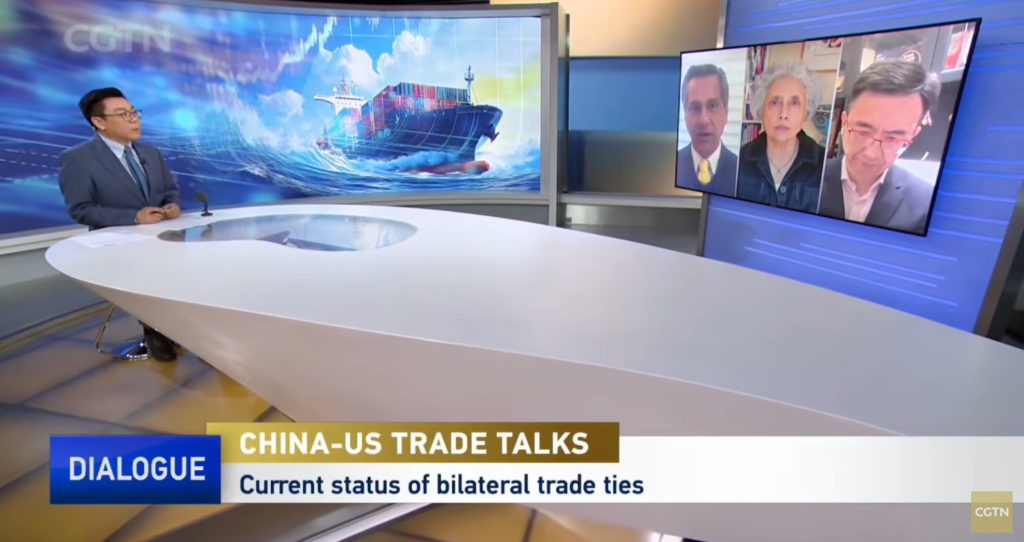
On Wednesday, March 18, 2026, Senior Fellow Sourabh Gupta was interviewed by CGTN’s Dialogue on Paris trade talks.
On Tuesday, March 17, 2026, Senior Fellow Sourabh Gupta was interviewed by China Daily on China’s economic adjustments.
On Tuesday, March 17, 2026, Senior Fellow Sourabh Gupta was quoted by South China Morning Post on Trump’s China visit delay.
On Monday, March 16, 2026, Senior Fellow Sourabh Gupta was quoted by China Daily on China’s 15th Five-Year Plan.
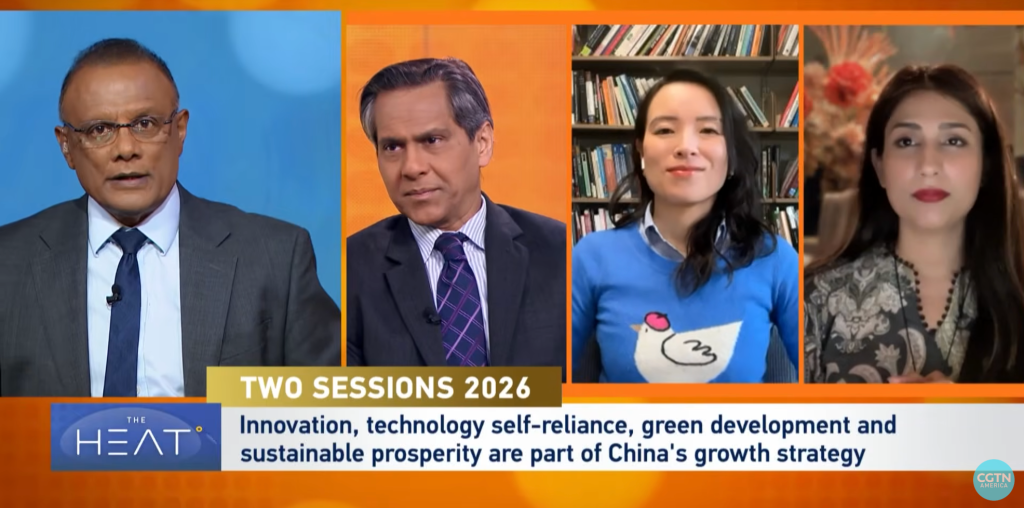
On Wednesday, March 11, 2026, Senior Fellow Sourabh Gupta was interviewed by CGTN’s America’s The Heat on analyzing China’s Two Sessions.