
ICAS Bulletin (online ISSN 2836-3418, print ISSN 2836-340X) is published every other week throughout the year at 1919 M St NW, Suite 310, Washington, DC 20036.
The online version of ICAS Bulletin can be found at chinaus-icas.org/bulletins/.
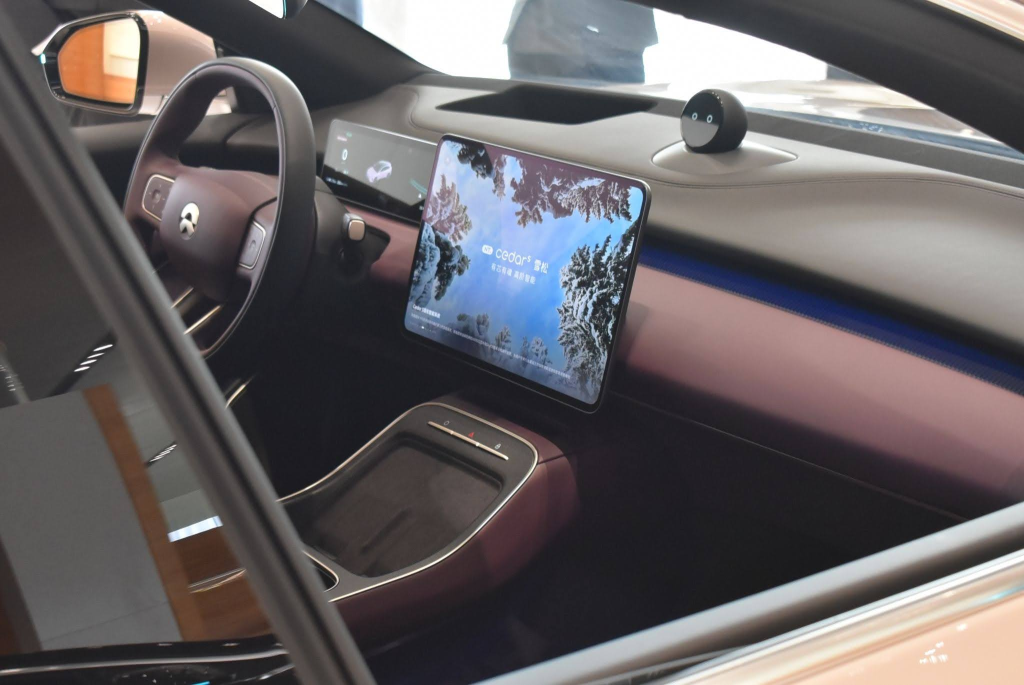
– From October 8-9, China’s Commerce Minister Wang Wentao met with European Trade Commissioner Maroš Šefčovič in Beijing, to discuss the EU-China trade deficit, China’s industrial capacity, and renminbi exchange rate.
– On October 12, Beijing revealed that the two sides agreed to reduce Chinese exports of hybrid vehicles to the EU to 350,000 and ensure that quota will match or exceed that of any other exporters.
– The two sides also agreed to consult on import restrictions of inverters to the EU proposed earlier this year, potentially providing relief to Chinese firms heavily reliant on the overseas market.
– Also on October 12, China’s Ministry of Finance and the State Taxation Administration announced they will lower the value-added tax export rebate for new energy vehicles from 13% to 9%.
-The September G20 Milwaukee meeting revealed significant division regarding the issue of excess capacity, where China and 5 other nations did not sign the joint US-led statement released on October 7.
– On October 8, amid EU criticism of a weakening Yuan and its impact on trade deficit, the People’s Bank of China issued a major statement on its stance to never pursue depreciation for trade competitiveness.
– Premier Li Qiang pushed back on Western overcapacity criticism at the Canton Fair on October 14, blaming export control for trade imbalances and disruption to supply chains.
Associated News References:
“EU-China Relations Face an Existential Test, but Escalation Is Not Inevitable,” Center for Strategic and International Studies, September 29
“China details outcome of EU trade talks on hybrid, electric vehicles,” Reuters, October 11
“EU Agrees to Discuss Curbs on Chinese Inverters After Trade Meet,” Bloomberg, October 11
“China to lower VAT export rebate on new energy vehicles,” Reuters, October 12
“Some G20 trade ministers sign US-led statement denouncing excess factory capacity,” Reuters, October 7
“People’s Bank of China exchange rate paper is left wanting,” Official Monetary and Financial Institutions Forum, October 1
“China defends yuan policy as Europe steps up pressure over trade surplus,” Reuters, October 8“
“China’s Li Qiang vows more high-value imports as trade surplus faces scrutiny,” South China Morning Post, October 14
-On October 7 the U.S. Department of Homeland Security proposed a $70,000USD per F-1 nonimmigrant student fee for international work programs, shifting U.S. university and tech recruitment away from overseas applicants.
-On October 8, inspector general of the U.S. Department of Labor Anthony D’Esposito announced that as not to compromise federally funded research, an investigation into J-1 visa fraud at nine top U.S. universities would be conducted, singling out Chinese students.
-Also as of October 8, Microsoft and Adobe have been suspended from the PERM labour certification process for alleged abuse and fraud of green-card authorization for foreign tech workers.
-A U.S.-China youth exchange event was held in Beijing from October 12-14 in response to President Xi Jinping’s initiative to invite 100,000 young Americans to China over the next five years, bringing more than 200 students from both countries to engage in cross-cultural dialogues.
-On October 29, the Federal Communications Commission will vote to bar all Chinese labs from testing electronic devices in the U.S., citing that less than 4% of all electronics are being tested in U.S.-based labs.
-Major U.S. carriers continue to block bids by Chinese airlines to add extra or expanded flights after President Xi Jinping’s call to increase direct flights for trade and travel on September 24, stalling two-way flights between the two countries each at around 50 per week.
Associated News References:
“Trump administration freezes green cards for Microsoft, IT firms probes universities,” Reuters, October 8
“US probes Harvard, Yale, MIT, other universities over alleged visa fraud with China focus,” South China Morning Post, October 9
“US FCC to vote to ban all Chinese labs from testing US electronics,” Reuters, October 7
“DHS Proposes Fees for Foreign Student Work Program to Protect American Jobs,” Department of Homeland Security, October 7
“US proposes US$70,000 fee for foreign students to work after graduation,” South China Morning Post, October 8
“US airlines oppose China’s bid to add more flights,” Reuters, September 24
“Chinese, US youth forge friendships across borders,” China Daily, October 16
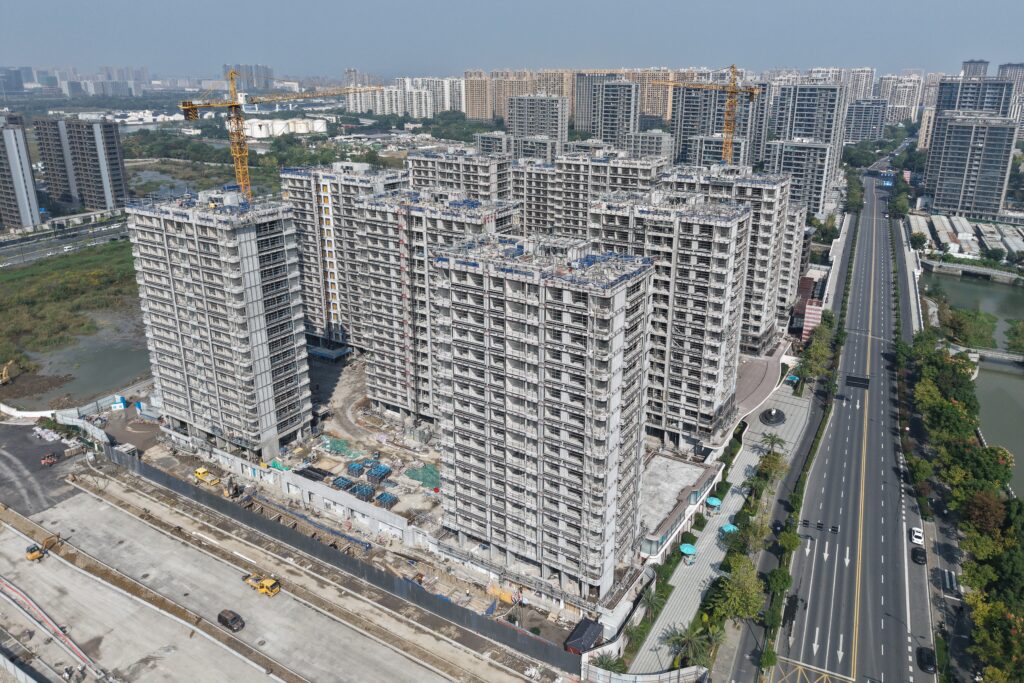
– Due to persistent labor shortages and escalated inflation, U.S. 30-year fixed mortgage rates increased to 7.40% on October 8, causing pending home sales to drop to a 12-year low.
– Amidst the 3-year real estate downturn, dropping home prices in China have slowed from 0.17% to 0.14% in September, potentially stabilizing despite depressed consumer confidence and low local government revenues.
– On October 13, the International Monetary Fund cut its growth projection for China down to 4.5% and projected 4.0% in 2027 .
– In response to low domestic consumption and real estate downturn, China has relied heavily on pushing for exports of chips and electronics, as it reported a better-than-expected Q3 growth on October 18.
– On October 14, the September U.S. Consumer Price Index (CPI) increased 3.7% year over year, reporting five years of prolonged inflation despite reliance on Federal Reserve monetary policy to stabilize import costs, interest rates, and energy prices.
– The week of October 10 marked 199,000 claims for U.S. state unemployment benefits, notably low due to tight labor market, however persistent shortages in specialized, technical, and trade workers remains high at 1.3 million workers.
– The People’s Bank of China, marking 23 consecutive months of purchase and $255 billion spent total, bought 23 tonnes of gold in September, stockpiling gold reserves to limit dependence on U.S. Treasuries as a reserve asset.
Associated News References:
“US inflation heats up in September; Fed rate hike this month back on table,” Reuters, October 14
“China’s new home prices fall again as recovery remains elusive,” Reuters, October 18
“China Home Price Slump Eases, Fueling Hopes for Recovery,” Bloomberg, October 18
“IMF urges China to deploy bigger fiscal stimulus,” The Business Times, October 15
“How high inflation became a ‘fact of life’ in the U.S.,” CNBC, October 14
“Why China is importing a record amount of gold — and what it means for prices,” CNBC, October 11
“New Report Finds Nationwide Shortage of Workers in Skilled Trade,” Association for Career and Technical Education, September 29
“US weekly jobless claims rise marginally amid low layoffs,” Reuters, October 15
“China economy grows thanks to AI export boom but domestic slump remains a drag,” CNN, October 18
“Visa gets Beijing’s green light for bank card business after 40 years of working with China,” CNBC, October 13
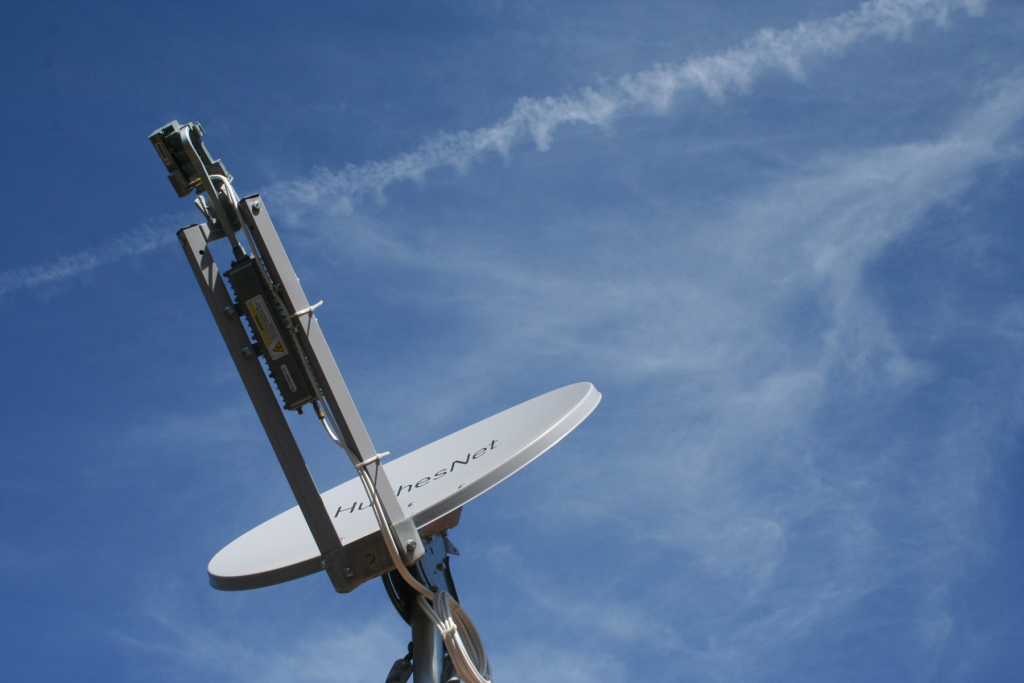
“Chinese satellite internet connects Artic, Antarctica, Qinghai-Tibet Plateau for 1st time,” Anadolu, October 19
“A Chinese billionaire reckons with the limits of building AI across borders,” Financial Times, October 5
“China’s Canton Fair showcases tech push as trade frictions persist,” Nikkei Asia, October 16
“Russia Proposes a Trump-Xi Putin meeting in China next month,” The Washington Post, October 19
Two themes stood out in Washington’s China policy discussion over the past two weeks. The first being how to navigate trade imbalances with China’s growing capacity. Analysts agree that the China-UK trade agreement on hybrid vehicles and inverters came as a surprise, given Beijing’s firm stance that concern with excess-compacity are justification to promote protectionism. U.S. efforts to initiate a global coalition to prevent “China Shock 2.0” received general support when voted on at the global level, but questions still remain about how to, beyond heavy tariffs, balance the trade deficit given China’s structural economic reliance on exports. The second theme addresses how broader U.S.-China relations may affect the American economy. With President Trump’s increased efforts to hinder foreign scholars’ access to American institutions, analysts have begun to question the broader implications this crackdown will have on the development of new U.S. AI, biomedical, and clean energy tech development.
September 28 hosted by Stimson Center
September 28 hosted by Atlantic Council
September 29 hosted by Atlantic Council
September 30 hosted by Hudson Institute
October 2 hosted by Brookings Institution
October 5 hosted by Stimson Center
October 6 hosted by Brookings Institution
October 14 hosted by PIIE
October 14 hosted by Atlantic Council
October 14 hosted by CSIS
October 21 hosted by Hudson Institute
October 21 by Center for Security and Emerging Technology
October 22 hosted by CISI
October 28-29 hosted by CSIS
October 23 hosted by Georgetown University
November 3 hosted by Brookings
Renewing Sino-American Bonds of Contact, Commerce and Civility
By Sourabh Gupta
October 15, 2026
Embedded in the interior walls at the 10th landing of the Washington Monument, the obelisk that dominates the U.S. capital’s skyline, is an inscription in Chinese honoring the memory of America’s first president, George Washington. An “extraordinary man” he was, it reads. The inscription goes on to praise the United States’ kingless form of government with its “unprecedented” appeal to public opinion, shorn as it is of the trappings of a hereditary ruling class. Its author was Xu Jiyu, a pioneering mid-19th century geographer and Fujian provincial governor, who went on to serve as a founding administrator of Tongwen Guan – the specialized government foreign language school that today houses Peking University’s language programs.
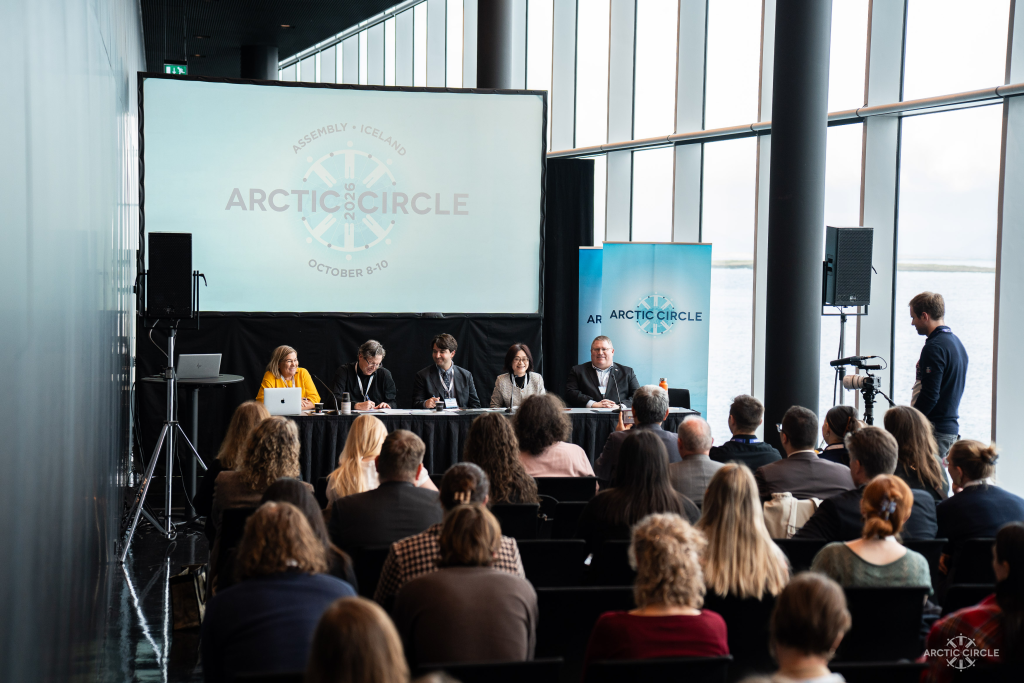
Competing Narratives in a Changing Arctic: Reflections from the 2026 Arctic Circle Assembly
By Nong Hong
October 14, 2026
The 2026 Arctic Circle Assembly in Reykjavik offered a useful snapshot of how rapidly the Arctic agenda is changing. Security and strategic competition were more visible than in previous years, but climate change, science, shipping, Indigenous participation, critical minerals, infrastructure, and local development remained central to the conversation.
Over several days of discussion, the Arctic agenda appeared increasingly interconnected. Security concerns now reach into debates over infrastructure, scientific cooperation, and investment. Climate change is reshaping the conditions for shipping, resource development, and community life, while disruptions to global supply chains have renewed interest in Arctic routes. Greenlandic and Indigenous representatives also pressed for a stronger role in decisions that are often discussed elsewhere mainly through the lens of geopolitics and national strategy.
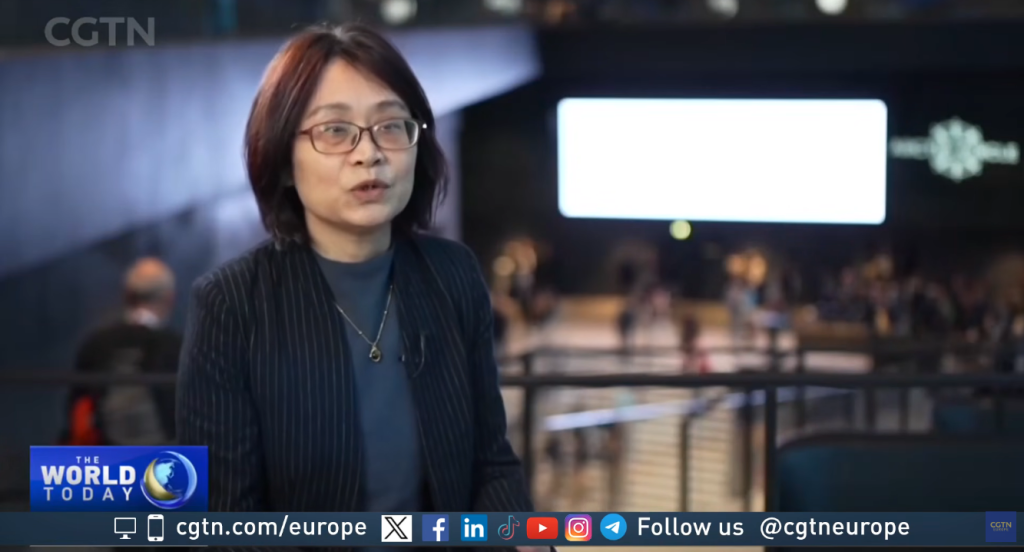
On October 14, 2026, Dr. Nong Hong was quoted in CGTN Global Watch on U.S.-China cooperation in climate, health, and disaster relief.
On October 10, 2026, Dr. Nong Hong was quoted in CGTN Europe on Asia-Europe shipping routes.
On October 10, 2026, Dr. Nong Hong was quoted in CGTN Europe on environmental concerns in Arctic trade routes.
On October 8, 2026, Senior Fellow Sourabh Gupta was quoted in SCMP on U.S. restrictions on Chinese EVs.
On October 8, 2026, Senior Fellow Sourabh Gupta was quoted in SCMP on potential ‘G2’ arrangement.