
ICAS Bulletin (online ISSN 2836-3418, print ISSN 2836-340X) is published every other week throughout the year at 1919 M St NW, Suite 310, Washington, DC 20036.
The online version of ICAS Bulletin can be found at chinaus-icas.org/bulletins/.
– Chinese President Xi Jinping joined a September 8 virtual BRICS summit convened to address President Trump’s trade policies and promote multilateralism. Russian President Putin also attended while Indian Prime Minister Modi sent his foreign minister instead.
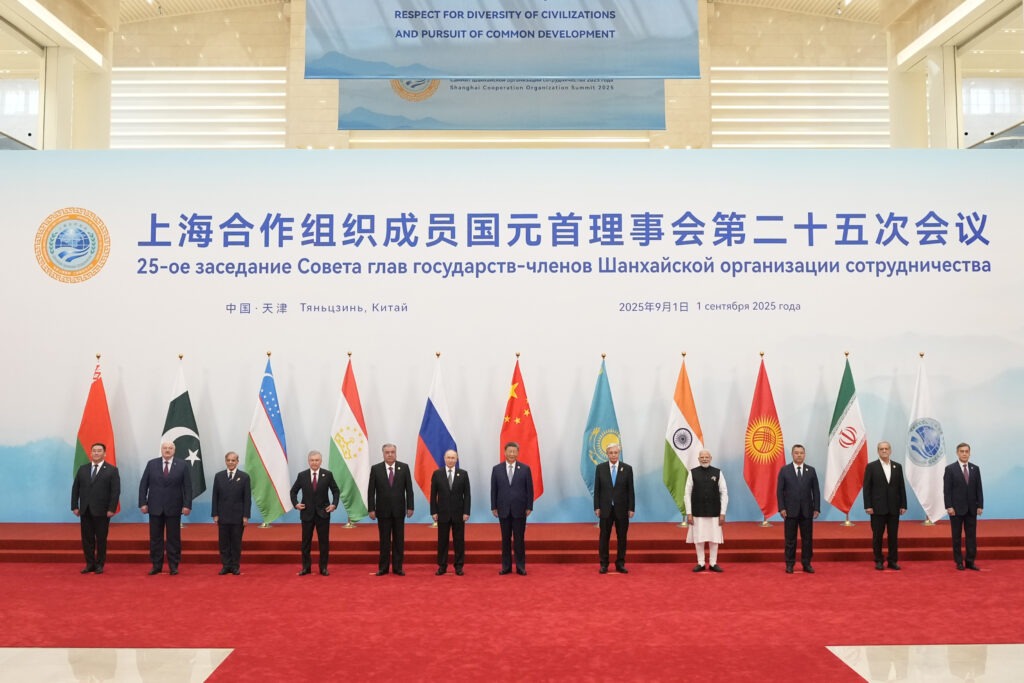
– China hosted the 24th annual meeting of the Shanghai Cooperation Organisation (SCO) in Tianjin from September 1 – 2. Russian President Putin, Indian Prime Minister Modi, and Iranian President Pezeshkian were among the attendees.
– The Tianjin Declaration of the SCO Council envisioned a new global security and economic order that is centered on the Global South, calling for cooperation on AI, sustainable development, energy, a new SCO development bank, and a Eurasian security framework.
– Amid trade tensions with the U.S., President Xi and Prime Minister Modi agreed at the SCO summit that China and India are development partners rather than rivals, with President Xi stressing that the border issue should not define their relationship.
– Simultaneously, Chinese Foreign Minister Wang Yi announced that Laos joined the SCO as a partner, a designation short of full membership, making the combined group of members and partners to reach 27.
Associated News References:
“Xi and Putin to Take Part in BRICS Trade Summit Without Modi,” Bloomberg, September 7
“SCO summit 2025: Key takeaways from Beijing’s push to reshape global order,” CNBC, September 2
“Xi and Putin stand shoulder to shoulder as China casts itself an alternative global leader,” CNN, September 1
“China’s Xi pushes a new global order, flanked by leaders of Russia and India,” Reuters, September 1
“Smiles and Clasped Hands as Xi, Putin and Modi Try to Signal Unity,” The New York Times, September 1
“Trump calls India-U.S. trade relationship ‘a totally one sided disaster’ after Modi visits China,” CNBC, September 1
“China’s Xi seeks expanded role for Shanghai Cooperation Organization at Tianjin summit,” Associated Press, September 1
”India and China are partners, not rivals, Modi and Xi say,” Reuters, August 31
– South Korea, Japan, and the U.S. will launch their annual “Freedom Edge” defense drills on September 15, a move seen as countering Beijing’s military parade that showcased Chinese power alongside North Korea’s Kim Jong Un and Russia’s Vladimir Putin.
– EU foreign policy chief, Kaja Kallas, warned on September 3 that Xi Jinping’s parade appearance with Vladimir Putin, Kim Jong Un, and Masoud Pezeshkian signaled an “autocratic alliance” directly challenging the rules-based international order.
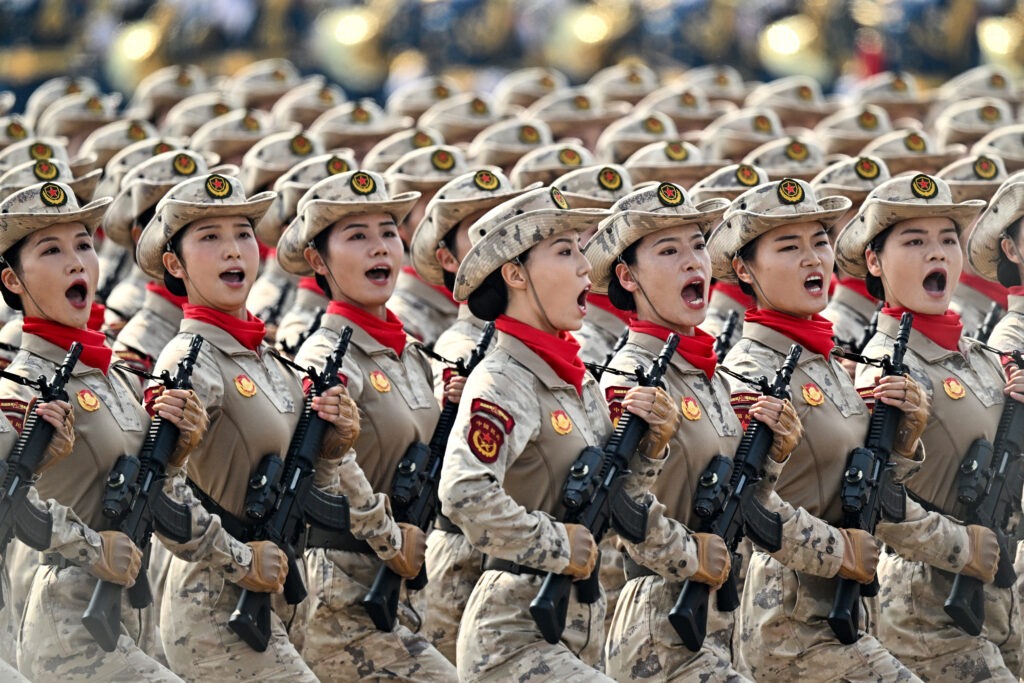
– On September 3, China staged a military parade in Beijing with 26 heads of states and representatives including Russian President Vladimir Putin and North Korean leader Kim Jong Un to mark the 80th anniversary of Japan’s World War II surrender.
– The parade is also a showcase of China’s military modernization, with new drones and intercontinental missiles on display, while the carefully curated guest list underscored Beijing’s push to frame itself as leader of a non-Western order despite uneven buy-in from partners.
– President Donald Trump praised China’s World War II anniversary parade as “beautiful” and “impressive” but noted President Xi Jinping for failing to acknowledge U.S. wartime support.
– U.S. Ambassador David Perdue and other allies skipped China’s Victory Day parade, an absence that highlighted unease over Beijing’s WWII narrative and underscored the limited Western presence at Xi’s showcase.
Associated News References:
“South Korea, Japan and US to hold defence drills on heels of North Korea attending China parade,” Reuters, September 5
“EU’s Kallas says Xi, Putin, Kim and Iran challenge rules-based order,” Reuters, September 3
“A summit and parade in China may signal a geopolitical shift. They might also be political jockeying,” The Hill, September 3
“China Shows Off Its Military Might—and Anti-West Friends,” Time, September 3
“Trump says China should have mentioned US during ‘beautiful ceremony’,” Reuters, September 3
“U.S. allies skip World War II parade in Beijing featuring Putin, Kim,” The Washington Times, September 2
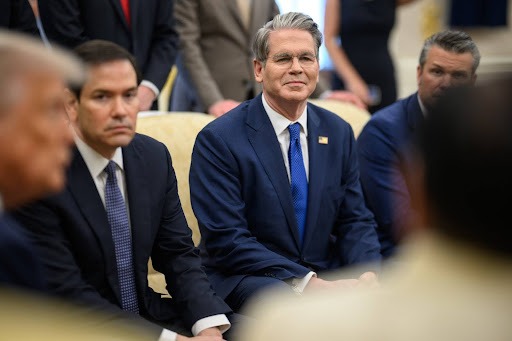
– The U.S. Court of Appeals for the Federal Circuit on August 29 ruled 7–4 that President Trump unlawfully exceeded his authority under the International Emergency Economic Powers Act (IEEPA) by imposing sweeping tariffs, striking down the measures while allowing them to remain in place until mid-October pending a potential Supreme Court appeal.
– Treasury Secretary Scott Bessent said on September 7 that he is confident the Supreme Court will uphold President Trump’s IEEPA tariffs. However, he also warned that if the court rules against them, the government may have to refund about half of the collected duties, which is valued at $750 billion to $1 trillion, while also preparing backup plans using other trade authorities.
– China’s exports to the U.S. plunged 33% due to Trump’s steep tariffs, but exports to other regions such as Southeast Asia, the EU, and Africa kept Beijing on track for a record $1.2 trillion trade surplus this year.
– According to the Labor Department’s report released on September 5, U.S. job growth slowed sharply in August, with payrolls rising just 22,000 and unemployment hitting a four-year high of 4.3%. Economists blamed Trump’s tariffs, immigration crackdown and public-sector layoffs for pushing the economy toward stagnation.
– Soon after the release of the report, the White House said it expects the Federal Reserve to consider a larger rate cut in September.
– The latest revision of labor market statistics released by the U.S. Bureau of Labor Statistics on September 9 showed that the U.S. lost almost 1 million jobs for the year ending in March 2025.
– China is pressing ASEAN to sign an upgraded free trade agreement by year-end to expand access in areas like agriculture, digital economy, and pharmaceuticals, as it seeks to offset falling U.S. exports under Trump’s tariffs by boosting Southeast Asia trade.
Associated News References:
“US Created 911,000 Fewer Jobs Through March 2025 Than Initially Reported,” The Guardian, September 9
“China’s shipments to U.S. plunge 33% in August as overall exports growth hits a 6-month low,” CNBC, September 8
“China’s Exports to Africa Are Soaring as Trade to U.S. Plunges,” The New York Times, September 8
“China pushing ASEAN to seal trade pact upgrade as US tariffs bite,” Reuters, September 8
“China’s August export growth slowest in 6 months as US tariff risks mount,” Reuters, September 8
“US probes malware email targeting trade talks with China, WSJ reports,” Reuters, September 7
“Treasury Secretary Bessent warns of massive refunds if the Supreme Court voids Trump tariffs,” CNBC, September 7
“China Exports to US Slump 33% But Trade Surplus Heads for Record,” Bloomberg, September 7
“As job market slumps, Trump administration says it could take a year to see better economic data,” Reuters, September 5
“In Tariff Standoff With Trump, China Boycotts American Soybeans,” The New York Times, September 4
“Appeals Court Rejects Trump’s Global Tariffs,” The Wall Street Journal, August 29
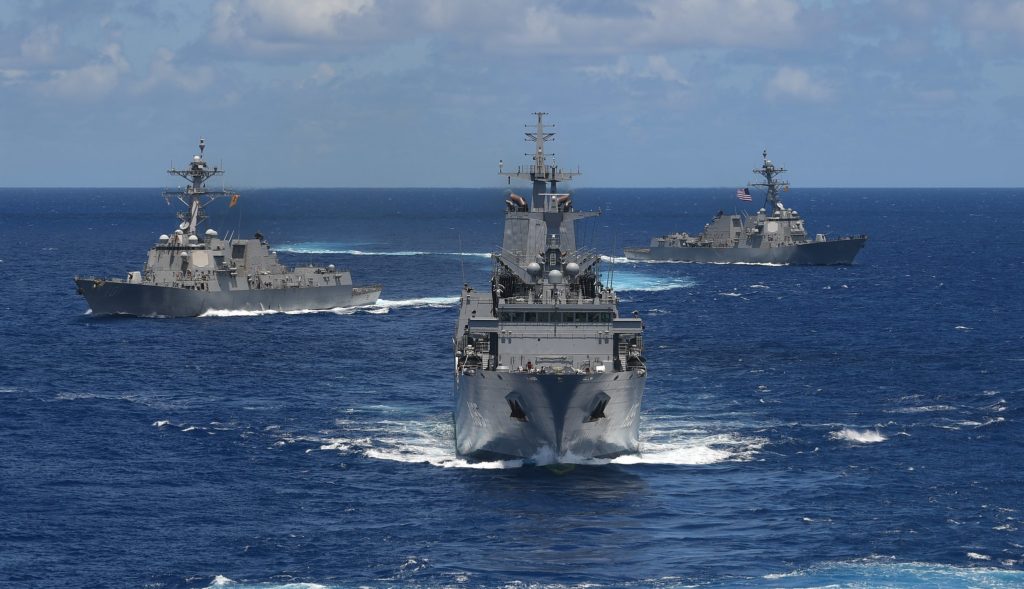
– The Philippines successfully delivered food, fuel, and personnel to its outpost on the Second Thomas Shoal on September 5 despite resurged tensions in the disputed South China Sea, while two U.S. Navy destroyers conducted a simultaneous patrol in the area.
– China announced on September 5 that it has launched its CNS Silk Road Ark hospital ship on a 220-day “Harmony 2025” mission to the South Pacific and Latin America, aiming to expand medical, cultural, and military cooperation.
– China deployed naval and air forces to monitor Canadian and Australian warships sailing through the Taiwan Strait between September 6 and 7, condemning the transit as a provocation, while Canada and Australia insisted their passage complied with international law and affirmed support for a free and open Indo-Pacific.
– Senators Roger Wicker (R-MS) and Deb Fischer (R-NE) visited Taipei from August 29-30 to reaffirm long-term U.S. congressional support for Taiwan’s freedom and security, calling it a “free country”. China condemned the trip as a violation of the one-China principle and a provocation to Taiwan independence forces.
– Wicker said his visit underscored the island’s resolve to remain free in the face of China’s aggression, emphasizing its vital role in global semiconductor supply chains and U.S. national security, while reaffirming America’s commitment under the Taiwan Relations Act to support the region’s defense and expand joint weapons production.
– A large delegation of more than 50 Arizona business, academic, and civic leaders travels with the Arizona Commerce Authority to Taiwan from September 8–10 to promote workforce development and expand high-tech collaborations, particularly in semiconductors and AI, as Taiwan’s growing role in Arizona’s economy accelerates through Taiwan Semiconductor Manufacturing Company’s (TSMC) massive investment in the state.
– The Pentagon reported that it is considering a major shift in its new National Defense Strategy by prioritizing U.S. homeland and Western Hemisphere defense over countering China and Russia, a move that critics say contradicts President Trump’s stance on Beijing and could unsettle allies as the administration also plans to reduce overseas troop commitments.
Associated News References:
“Wicker Visits Taiwan; Taiwan Has Resolved To Live Free,” Roger Wicker, September 8
“China criticises Canadian, Australian warships transiting Taiwan Strait,” Reuters, September 7
“China’s military follows Australian and Canadian warships in Taiwan Strait accusing them of ‘provocation’,” The Guardian, September 6
“Arizona delegation to visit Taiwan, strengthening ties in high-tech sectors and workforce development” Phoenix Business Journal, September 5
“China Sends Navy Ship to America’s Doorstep,” Newsweek, September 5
“Pentagon plan prioritizes homeland over China threat,” Politico, September 5
“Philippine forces deliver supplies and personnel to disputed South China Sea shoal despite tensions,” AP News, September 5
“Senior U.S. Senator visits Taiwan, calls it “a free country” with “right to remain free” as China threat looms,” CBS News, September 1

– Nvidia CEO Jensen Huang said on August 27 that there is a “real possibility” the company could bring its advanced Blackwell AI chips to China if U.S. export control rules allow, while urging Washington to keep markets open for American chipmakers.
– On August 22, the Chinese government released a new action plan to strengthen its electronics manufacturing sector, calling for greater reliance on domestic technologies, tighter supply chain security and annual growth targets of 5–7 percent through 2026, as it seeks to counter escalating U.S. export restrictions on advanced chips and equipment.
– The Commerce Department’s Bureau of Industry and Security (BIS) announced on August 29 that it would revoke a Biden-era authorization that allows Intel, Samsung, and SK Hynix to export certain semiconductor manufacturing equipment to China without a license, requiring them to seek new licenses for continued operations in China but barring approvals for expanding or upgrading local chip capacity.
– The U.S. also revoked TSMC’s similar authorization on September 2 that allows the company to freely ship essential gear to its main Chinese chip making base.
– The U.S. has proposed replacing the revoked Biden-era waivers with annual site licenses requiring Samsung and SK Hynix to seek approval for specified shipments of chipmaking supplies to their factories in China, a move meant to balance global supply stability with Washington’s demand for tighter control.
– China’s chipmakers are racing to cut reliance on Nvidia by tripling AI chip output in 2026, with Huawei preparing one dedicated plant by year end and two more in 2026 whose combined capacity could exceed similar SMIC lines, while SMIC plans to double 7 nanometer capacity next year amid Beijing’s push for domestic processors rivaling Nvidia’s H20.
– Chinese chipmakers and AI developers are rolling out homegrown alternatives backed by Beijing’s push for self-reliance, with products including Alibaba’s new, more versatile Nvidia-compatible inference chip, MetaX’s H20 substitute, and Cambricon’s Siyuan 590.
Associated News References:
“US Mulls Annual China Chip Supply Permits for Samsung, Hynix,” Bloomberg, September 8
“China Moves To Boost Electronics Self-Sufficiency As US Tightens Chip Curbs,” South China Morning Post, September 5
“US Pulls TSMC’s Waiver for China Shipments of Chip Supplies,” Bloomberg, September 2
“US makes it harder for SK Hynix, Samsung to make chips in China,” Reuters, August 30
“Alibaba Creates AI Chip to Help China Fill Nvidia Void,” The Wall Street Journal, August 29
“Intel amends CHIPS Act deal with US Commerce Department, gets $5.7 billion early,” Reuters, August 29
“White House officials: China’s chip plans prove need to push U.S. AI ‘stack’,” Inside U.S. Trade, August 29
“Commerce Department Voids $7.4B in CHIPS Act Funding for Natcast,” Thomasnet, August 29
“Marvell sinks as weak data center outlook stokes custom
AI chip worries,” Reuters, August 29
“Nvidia says it’s missing out on China sales as it awaits guidelines on US 15% pay-to-play plan,” CNN, August 28
“Nvidia CEO Huang says bringing Blackwell AI chip to China ‘is a real possibility’” CNBC, August 27
“China aims to triple AI chip output, reducing Nvidia’s dependency, FT says,” Reuters, August 27
“Nvidia revenue soars, but China chip sales screech to a halt,” AXIOS, August 27

“Exclusive: Chinese robotics firm Unitree eyeing $7 billion IPO valuation, sources say,” Reuters, September 9
“China’s Exports to Africa Are Soaring as Trade to U.S. Plunges,” The New York Times, September 8
“LeBron James pens essay in Chinese state newspaper in sign NBA’s China revival almost complete,” Reuters, September 8
“US and China drive record Saudi FDI,” Semafor, September 8
“China’s BYD to produce all EVs for Europe locally by 2028, executive says,” Reuters, September 8
“China’s Leapmotor launches EV hatchback at Munich car show, boosting European lineup,” Reuters, September 8
“China to maintain oil stockpiling in 2026, Gunvor strategist says,” Reuters, September 8
“China oil demand to peak in 2027, up 100,000 bpd this year, state researcher says,” Reuters, September 8
“China Bolsters Soybean Stockpiles Ahead of US Export Surge,” Bloomberg, September 8
“Chinese Hackers Pretended to Be a Top U.S. Lawmaker During Trade Talks,” The Wall Street Journal, September 7
“Trump defends Chinese students in US: ‘China’s paying us a lot of money right now’,” The Hill, August 31
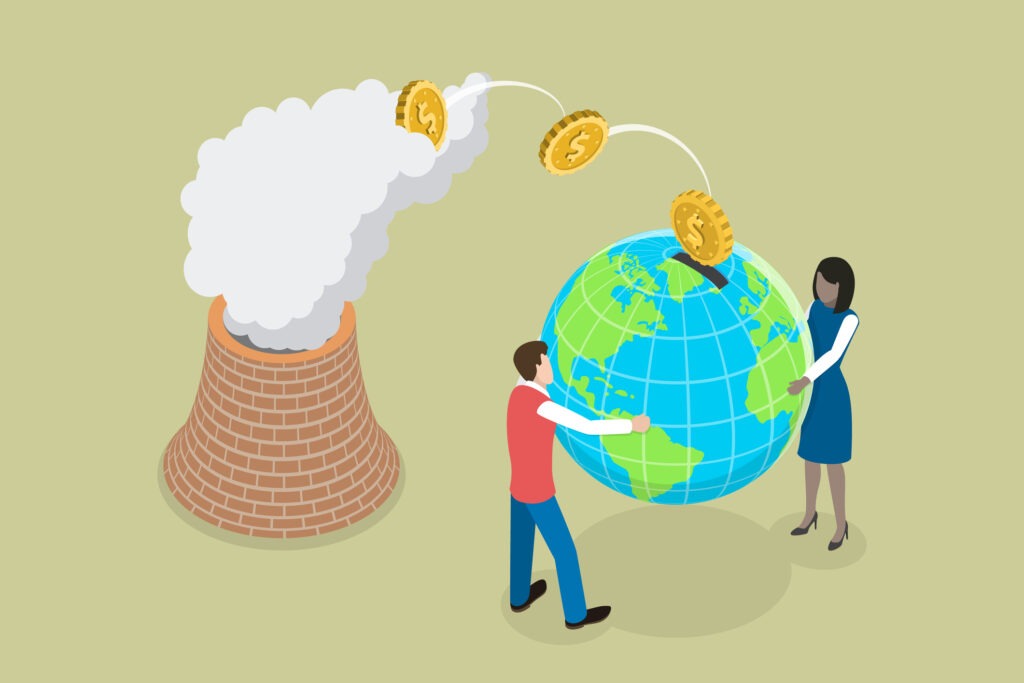
The Next Stage of Climate and Industrial Policy Demands Carbon Pricing
By Zhangchen Wang
September 9, 2025
As major economies recalibrate both their climate and industrial strategies, the question of whether subsidies alone can drive a durable industrial growth and low-carbon transition has come to the forefront. In the United States, the passage of the One Big Beautiful Bill (OBBB) marked a decisive scaling back of clean energy subsidies originally unleashed by the Inflation Reduction Act. In China, the government has recently introduced the new political vocabulary of “anti-involution,” calling for the elimination of unproductive capacity that survives through external support, disorderly expansion, and homogenous competition.

Detroit’s Capacity Trap: Why America’s Auto Industry Is Losing Globally
By Yilun Zhang
September 8, 2025
The condition of America’s auto industry depends on where one looks. On paper, Detroit’s big three—General Motors, Ford, and Stellantis—remain profitable, anchored by a steady domestic market for SUVs and pickups. Yet beneath those earnings lies a brittle structure: shrinking competitiveness abroad, mounting production costs at home, and a conspicuous inability to deliver affordable vehicles at scale. The result is an industry that looks stable from a distance but, on closer inspection, is badly exposed.
Gray Zones, Missiles, Shadow Fleets, and Cyber Threats: The New Maritime Disorder
By Nong Hong
September 5, 2025
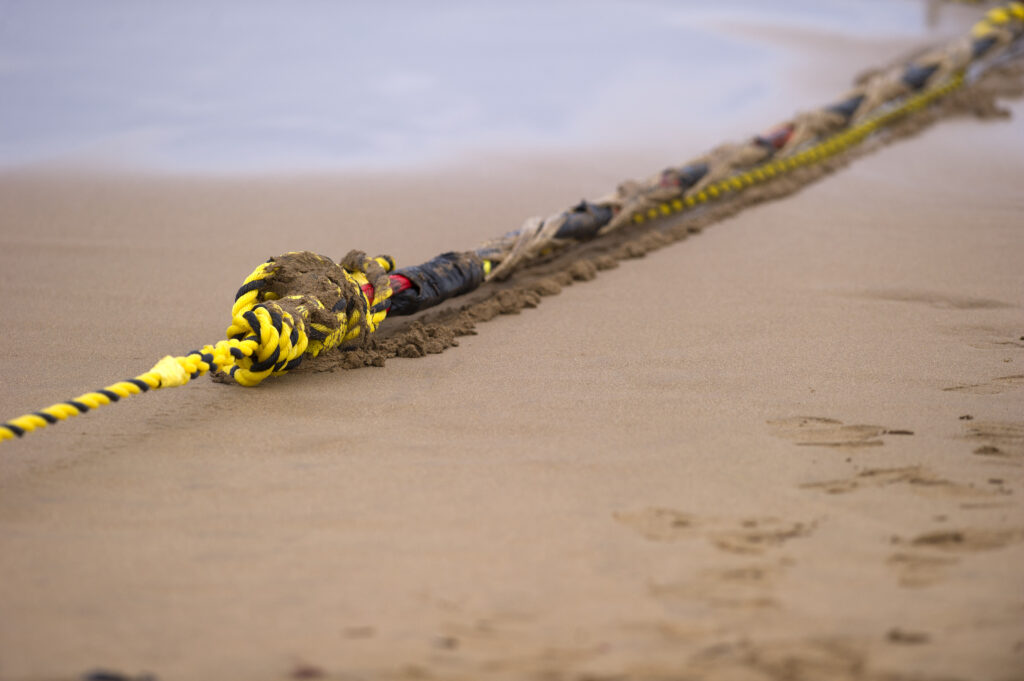
The oceans are once again at the center of global turbulence. In just the past few weeks, Taiwan accused mainland China of violating international law by drilling for oil and gas near the Pratas Islands, commercial shipping in the Red Sea faced renewed missile threats from Yemen’s Houthi rebels, cyber-attacks and shadow fleets in Europe’s maritime infrastructure exposed the fragility of undersea cables and shipping networks, all alongside a resurgence of old-fashioned competition over resources and maritime activities. These incidents, scattered across different seas, converge on a common theme: maritime security and governance are under duress.
On Saturday, August 30, 2025, Senior Fellow Sourabh Gupta was interviewed by CGTN’s World Insight on tariff impact on India.
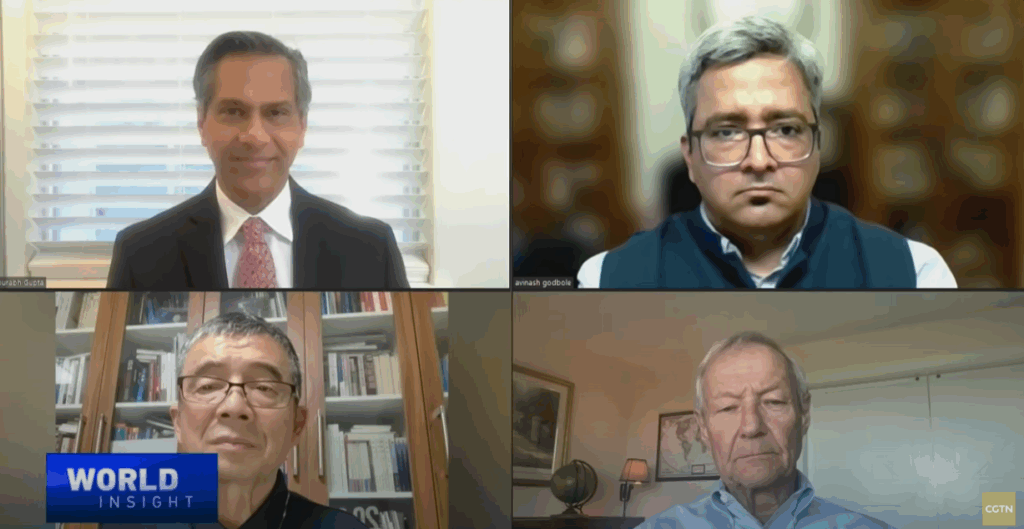
On Thursday, August 28, 2025, Senior Fellow Sourabh Gupta was quoted by South China Morning Post on China’s international position 80 years after the Sino-Japanese War, WWII.

The Institute for China-America Studies is an independent nonprofit, nonpartisan research organization dedicated to strengthening the understanding of U.S.-China relations through expert analysis and practical policy solutions.
1919 M St. NW Suite 310,
Washington, DC 20036
icas@chinaus-icas.org
(202) 968-0595
© 2026 INSTITUTE FOR CHINA-AMERICA STUDIES. ALL RIGHTS RESERVED.