
ICAS Maritime Affairs Handbill (online ISSN 2837-3901, print ISSN 2837-3871) is published the last Tuesday of the month throughout the year at 1919 M St NW, Suite 310, Washington, DC 20036.
The online version of ICAS Maritime Affairs Handbill can be found at chinaus-icas.org/icas-maritime-affairs-program/map-handbill/.
Iqaluit Resident Virginia Mearns Named Canada’s Arctic Ambassador
July 24 – CBC News
[Canada]
Canadian Prime Minister Mark Carney appointed Virginia Mearns, an Inuk leader with extensive experience in Inuit governance, as Canada’s new Arctic ambassador. Currently serving as senior director of Inuit relations at the Qikiqtani Inuit Association, she previously held senior roles in the Nunavut government and Nunavut Tunngavik Inc. Her appointment aligns with Canada’s updated Arctic foreign policy, which includes expanding diplomatic presence in the North and deepening international cooperation on Arctic affairs.
Denmark Orders Four MQ-9B SkyGuardian Drones For Arctic Missions
July 23 – Breaking Defense
[Denmark]
Denmark has signed an agreement with the NATO Support and Procurement Agency to acquire four MQ-9B SkyGuardian drones, enhancing surveillance capabilities in the Arctic, North Atlantic, and Baltic regions. This acquisition builds on Denmark’s Arctic Capabilities Agreement and reflects broader regional efforts to strengthen situational awareness and crisis response in challenging environments.
A Chinese Research Vessel Returns To Arctic Waters — And Canada Is Watching
July 22 – CBC News
[China, Canada]
The Canadian military is monitoring the Chinese polar research vessel Xue Long 2 as it travels near Arctic waters for a second year in a row. The Canadian Coast Guard had earlier followed the ship through international waters, citing patrols against illegal fishing. However, the Xue Long 2 remained outside Canadian territorial waters at all times.
Arctic Birders Combat Impact Of Climate Change And Avian Flu On Delicate Ecosystem
July 21 – ABC News
[Norway]
In Vardø, a remote Arctic town in Norway, climate change, shifting fish populations and bird flu are threatening key seabird species like kittiwakes. Local efforts, such as a community-built “seagull hotel,” are helping stabilize bird populations, which are vital to the region’s ecosystem and birding tourism. Researchers warn that rapid environmental shifts in the Barents Sea, combined with human activity, could further disrupt seabird colonies, urging quick action to protect nesting areas and food sources.
France Unveils Its Arctic Defense Strategy
July 15 – Naval News
[France]
France has released its first Arctic defense strategy, outlining plans to improve military readiness in the region. The strategy includes increasing deployments, enhancing cooperation with Arctic and European partners, and developing equipment adapted to polar conditions. It also emphasizes data collection and satellite capabilities for operations in high latitudes.
Russian Gas-Powered Vessels May Sail From Murmansk To Vladivostok By 2035
July 7 – TASS
[Russia]
Russia plans to develop infrastructure along the Northern Sea Route by 2035 to support LNG-powered vessels, enabling navigation from Murmansk to Vladivostok. The plan includes building bunkering stations at key ports, expanding the LNG fleet from 15 to 107 ships, and creating ship repair facilities.
Canada Races To Build Icebreakers Amid Melting Ice And Geopolitical Tensions
July 4 – The Guardian
[Canada]
Canada is expanding its icebreaker fleet in response to growing challenges in the Arctic, where climate change has created more opportunities in the region. The move is part of the country’s broader strategy to strengthen its Arctic presence and support environmental monitoring.
UK Leaves Door Open For Future Ice Breaker Buy
July 4 – UK Defense Journal
[U.K.]
The UK Ministry of Defence is considering the potential addition of an icebreaker to support its long-term Arctic operations. This assessment is part of the country’s broader Defence Investment Plan, which is set for completion in fall 2025.
Eyeing Arctic Dominance, Trump Bill Earmarks $8.6 Billion For US Coast Guard Icebreakers
July 3 – Reuters
[U.S.]
The “One Big Beautiful Act” passed in early July by President Trump has allocated $8.6 billion to bolster the U.S. Coast Guard’s Arctic icebreaker fleet—funding three heavy Polar Security Cutters, several medium Arctic Security Cutters, and some lighter vessels. This investment addresses the U.S.’s current shortfall of three operational icebreakers.
South Korea To Explore Potential Of Northern Sea Route
July 1 – United Press International
[South Korea]
South Korea is preparing for future use of the Northern Sea Route by establishing a dedicated team under the Busan Port Authority to plan and implement Arctic shipping strategies. The initiative aligns with President Lee Jae Myung’s aim to enhance competitiveness in regional shipping. The route is expected to become commercially viable in the 2030s due to reduced travel distance between Asia and Europe.
Recent developments—from France’s Arctic defense strategy to the U.S.’s expansion of its Icebreaker fleet, to South Korea’s interest in the Northern Sea Route—highlight the Arctic’s rapid transformation into a zone of strategic planning and intensified maritime activities. These national actions, while varied in purpose, converge around broader themes of climate-driven accessibility and renewed state competition over logistics, resources, and presence in the High North. The melting ice is not only reshaping the physical environment but also accelerating states’ pursuit of strategic footholds. This regional awakening holds significant implications for global security and economic systems: as the Arctic becomes more navigable and contested, it increasingly connects with the strategic interests of more non-Arctic powers, which becomes another key field of great power competitions. It might also challenge the stability of the existing multilateral Arctic governance structure. Yet the continuous developments in the region should remain a key focus point.
US Lawmakers Back Australia Submarine Project In Pentagon Letter
July 22 – Reuters
[U.S., Australia]
As the Pentagon reviews the program’s alignment with current administration priorities, leaders of a U.S. congressional committee on China have expressed bipartisan support for the AUKUS submarine initiative in a letter to Defense Secretary Pete Hegseth. The review comes amid broader discussions about industrial capacity and regional security planning. The AUKUS partnership—formed between the U.S., Australia, and the U.K.—aims to provide Australia with nuclear-powered submarines starting in the 2030s. Australia has reaffirmed its cooperation with the review while maintaining flexibility on future defense commitments.
China Protests To Philippines Over Taiwan, Maritime And Security Issues
July 18 – Reuters
[China, Philippines, Taiwan]
China has lodged formal diplomatic protests to the Philippines over recent actions related to Taiwan, maritime issues, and security matters, according to a July 18 statement from China’s Ministry of Foreign Affairs. Liu Jinsong, Director-General of the Department of Asian Affairs, expressed strong dissatisfaction during a meeting with Philippine Ambassador Jaime FlorCruz in Beijing.
US Military Aircraft Detected Near China
July 17 – Newsweek
[U.S., China]
Two U.S. military aircraft conducting surveillance and patrol missions transited the Taiwan Strait on July 17. The transit took place during Taiwan’s annual Han Kuang military exercises.
According to open-source flight data, the operation began from a base in Okinawa and followed a route through the middle of the strait.
July 17 – USNI News
[South China Sea, Taiwan, U.S.]
The U.S. Navy’s Carl Vinson Carrier Strike Group entered the South China Sea after transiting the Malacca and Singapore Straits. The deployment coincides with Taiwan’s ongoing Han Kuang military exercises and an increase in Chinese aerial reconnaissance activity near Taiwan and Japan. Japan’s Self-Defense Forces tracked multiple suspected Chinese drones and surveillance aircraft operating in international airspace near Taiwan and its southwestern islands. Taiwan has also reported heightened military activity around its airspace and waters during this period.
The Philippines Is Quietly Working With Taiwan To Counter China
July 14 – The Washington Post
[The Philippines, Taiwan]
Amid increasing maritime activity and tensions in the South China Sea, the Philippines has begun to expand its engagement with Taiwan, including in the security domain. While maintaining its one-China policy, Manila has held closed-door exchanges with Taiwan’s defense officials and carried out maritime patrols in nearby waters. Recent military exercises near the Bashi Channel involved coordination with U.S. and Japanese forces, with observers from Taiwan present.
Taiwan Live-Streams Han Kuang Navy Mine Deployment As Troops Test Metro Tactics
July 14 – South China Morning Post
[Taiwan]
Taiwan conducted a maritime minelaying drill as part of its annual Han Kuang military exercise. The drill, held near the Zuoying Naval Base, involved naval vessels deploying mines designed to deter potential amphibious operations. The exercise focused on strengthening coastal defense capabilities and was broadcast live to demonstrate operational readiness.
Japan Urges China To Stop Flying Fighter Jets Too Close To Japanese Military Aircraft
July 11 – AP News
[China, Japan]
Japan has protested repeated incidents of Chinese fighter jets flying unusually close to its intelligence-gathering aircraft over the East China Sea, with the latest encounter involving a Chinese fighter jet coming within 30 meters of a Japanese plane. The Japanese government has urged China to prevent future incidents and avoid risks of accidental collisions.
US Flexes Air Power With Ally In Contested South China Sea
July 8 – Newsweek
[U.S., the Philippines]
The United States has deployed its F-35 stealth fighters for a joint air drill with the Philippines, aiming at enhancing operational readiness and coordination between their air forces. The exercise, held above the waters in Northern Luzon, included patrol flights over areas within the Philippines’ Exclusive Economic Zone.
Trump Says He Will Put 20% Tariff On Vietnam’s Exports
July 3 – Reuters
[U.S., Vietnam]
The United States and Vietnam reached a preliminary trade agreement on July 2, with Washington announcing a 20% tariff on many Vietnamese exports, down from a previously proposed 46%. Goods transshipped through Vietnam from third countries will face a 40% tariff. In return, Vietnam committed to increased market access for U.S. products. While key implementation details remain unspecified, both sides described the arrangement as a framework for ongoing cooperation.
Over the past weeks, the Indo-Pacific has seen a buildup of activities from the joint military exercises in the Philippines and Taiwan, to a close air encounter between Chinese and Japanese military aircrafts, the continuous development of the AUKUS program, and the U.S.-Vietnam trade deal. These developments indicate the strategic attention in the region remains high, as influential states enhance their actions in response to evolving regional dynamics. Security and economic issues in the region are increasingly interconnected, prompting both regional and external actors to carefully assess their interests and exposure. As one of the world’s most critical maritime and manufacturing hubs, the Indo-Pacific remains a critical role in shaping global dynamics under great power competitions, making its trajectory highly consequential for the broader international system.
Houthis Say They Hold 10 Crew From Greek-Operated Ship They Sank Off Yemen
July 29 – Reuters
[Yemen]
Yemen’s Houthi group stated it has rescued 10 crew members from the Greek-operated cargo vessel Eternity C, which was attacked and sank earlier this month in the Red Sea. The Liberia-flagged vessel is the second to go down in July amid a resurgence of maritime incidents linked to the conflict in Gaza. Greece has since announced it will dispatch a salvage ship to the region to support maritime safety.
Hong Kong’s CK Hutchison Seeks Chinese Investor To Join Panama Ports Deal
July 28 – AP News
[Hong Kong, China, Panama]
Hong Kong-based CK Hutchison Holdings announced it may bring a Chinese investor into a consortium bidding to acquire its global port assets, including two ports at either end of the Panama Canal. The original deal, involving U.S.-linked Global Infrastructure Partners and Mediterranean Shipping Company, had received favorable signals from Washington but faced resistance in Beijing. Hutchison now seeks to adjust the consortium’s composition to satisfy regulatory requirements in multiple jurisdictions.
Ancient Whale ‘Graveyard’ Discovered Under Melting Russian Glacier
July 24 – Live Science
[Russia]
Scientists from Russia’s Arctic and Antarctic Research Institute have discovered a graveyard of ancient whale bones on Wilczek Island, exposed by the rapid retreat of a glacier. Satellite imagery revealed that the island’s ice cap split into two parts in under two decades, exposing several square miles of terrain. The well-preserved bones suggest a period of rapid sea level change in the region within the past few thousand years. The glacier’s decline reflects broader global trends in ice loss since 2000.
UK Government Unveils £30m Investment In Shipping Decarbonisation
July 24 – Sea Trade Maritime
[U.K.]
The UK Department for Transport has allocated over £30 million to 71 projects in round six of its Clean Maritime Decarbonisation Competition. Funded initiatives include port carbon capture, renewable biomethanol production, wind propulsion systems, and alternative fuel training programs. The funding aims to support maritime decarbonisation technologies and workforce development as part of the UK’s broader goal of achieving net-zero shipping by 2050.
US, Saudi Arabia Complete Joint Military Drills Focused On Regional Maritime Security
July 18 – AlArabiya
[U.S., Saudi Arabia]
The U.S. and Saudi Arabia concluded the “Marine Defender 25” joint maritime security exercise in Jubail, focusing on counter-mine operations, explosive ordnance disposal, unmanned systems, and naval coordination. The drills, led by the U.S. Navy’s Fifth Fleet and the Royal Saudi Naval Forces, aimed to enhance interoperability and operational readiness. The exercise followed earlier joint drills and high-level defense meetings between both countries, reflecting ongoing cooperation in regional maritime security.
US Military Trains To Defend Panama Canal
July 17 – Newsweek
[U.S., Panama]
The United States and Panama conducted a joint military exercise, PANAMAX-Alpha Phase I, to enhance readiness for protecting the Panama Canal and related strategic infrastructure. The exercise is part of broader regional security cooperation led by U.S. Southern Command, which continues to support training and planning with Central and South American partners.
The drill included aerial operations and maritime coordination and was conducted with respect for national sovereignty.
Denmark To Bolster Maritime Security With Terma’s Coastal Surveillance Radars
July 17 – Marine Link
[Denmark]
Denmark has signed an agreement with defense technology firm Terma to deliver 32 new coastal surveillance radars aimed at strengthening maritime domain awareness and infrastructure protection. The systems, set for deployment between 2025 and 2026, will replace existing radar installations and support vessel traffic coordination. The upgrade includes an AI-powered integration platform to enhance real-time situational awareness and decision-making across Danish waters.
Russia To Scrap Its Only Aircraft Carrier After Long Struggle With Repairs
July 14 – Marine Insight
[Russia]
Russia is considering scrapping its only aircraft carrier, the Admiral Kuznetsov, after prolonged delays and repeated accidents during a years-long overhaul. According to Russian media, repair work has been halted, and a final decision on the vessel’s fate may be announced soon. Naval officials and experts cited outdated systems, high costs, and shifting defense priorities as key factors. If decommissioned, Russia would be left without an operational aircraft carrier for the first time since the Soviet era.
Attack On Cargo Ship In The Red Sea Kills 2 Crew Members
July 8 – The New York Times
[The Red Sea, Liberia]
Two crew members were killed and two others injured when a Liberian-flagged cargo ship was attacked by small boats off the coast of Yemen on July 22, marking the second such incident in the Red Sea this week. No group has claimed responsibility for the latest incident. The renewed violence comes despite a previously announced ceasefire aimed at safeguarding shipping lanes in the region.
Turkey And Syria Engage In Secret Talks On Maritime Border Agreement
July 3 – Nordic Monitor
[Turkey, Syria]
A letter from Turkish Foreign Minister Hakan Fidan has confirmed that Turkey is engaged in confidential talks to define maritime boundaries with Syria, now under a transitional government following the fall of the Assad regime. The planned agreement would include coordination with Turkish institutions to establish an Exclusive Economic Zone (EEZ) and protect the interests of both Turkey and the Turkish Republic of Northern Cyprus. The move mirrors Ankara’s earlier maritime deal with Libya and could reshape regional dynamics in the eastern Mediterranean amid longstanding maritime disputes.
Hong Kong Convention On Ship Recycling Enters Into Force
July 1 – Baird Maritime
[Global]
The Hong Kong International Convention for the Safe and Environmentally Sound Recycling of Ships has entered into force globally. Adopted by the International Maritime Organization in 2009, the convention sets international standards for ship design, operation, and dismantling to reduce health, safety, and environmental risks during ship recycling. It establishes requirements for hazardous material inventories, shipyard working conditions, and enforcement mechanisms.
Pakistan Eyes $700 Million In Freight Earnings By Expanding Shipping Fleet
June 28 – Arab News
[Pakistan]
The Pakistan National Shipping Corporation (PNSC) plans to acquire at least 24 new vessels over the next three years, aiming to increase cargo handling capacity and reduce dependence on foreign shipping. The expansion would more than triple the national fleet to 34 ships by 2028 and could generate an estimated $700 million in freight earnings. The initiative includes domestic shipbuilding collaboration and aims to align with international environmental standards, while being financed through public-private partnerships and global green funds.
The United States, under the Trump administration, is intensifying its push for offshore critical mineral development through sweeping policy reforms.
Framed as a strategy for enhancing national security and reducing reliance on foreign supply chains, this accelerated approach is part of a broader effort to secure domestic access to minerals vital for clean energy technologies, defense systems and high-tech manufacturing. However, it is also drawing growing international scrutiny and sparking debate over its implications for environmental protection and global ocean governance.
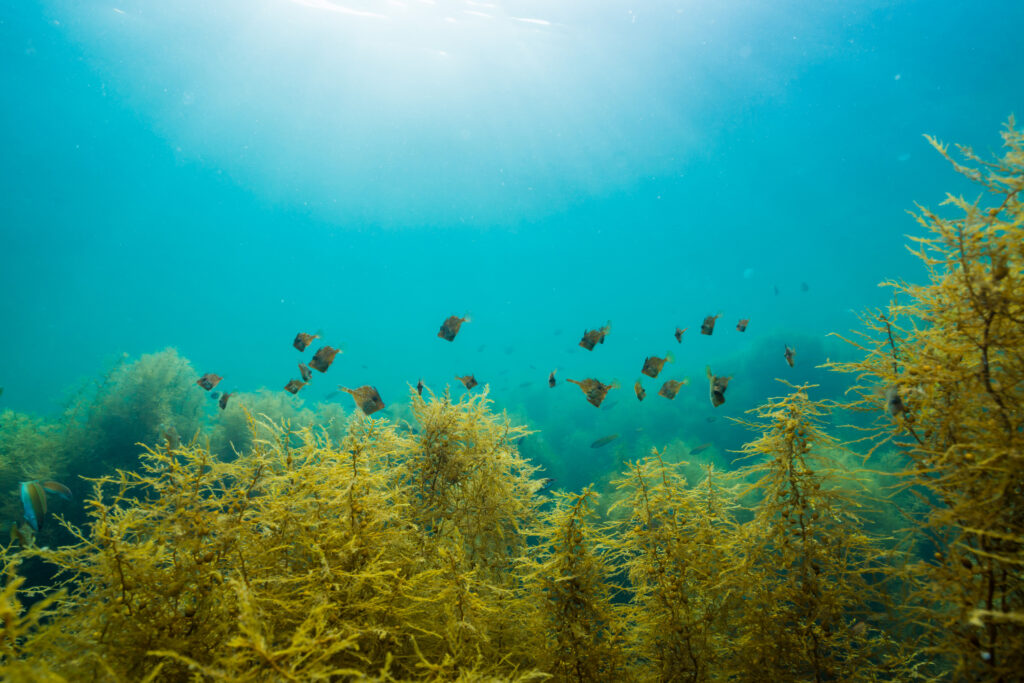
Critical minerals such as nickel, cobalt and rare earth elements underpin the transition to a low-carbon economy, and are increasingly recognized as strategic assets. The surging demand for these resources has exposed vulnerabilities in global supply chains, particularly for countries reliant on imports. In response, the US has moved to modernize its regulatory framework and assert greater control over untapped offshore mineral reserves — an approach some critics view as prioritizing economic advantage over multilateral cooperation and environmental safeguards.
On June 25, the Trump administration rolled out a comprehensive overhaul of offshore mining regulations through the Bureau of Ocean Energy Management (BOEM) and the Bureau of Safety and Environmental Enforcement (BSEE). These reforms aim to streamline permitting, reduce bureaucratic delays, and provide greater regulatory certainty for industry stakeholders. While proponents argue these changes will accelerate investment and innovation, environmental advocates warn they may come at the expense of critical oversight and scientific due diligence.
The regulatory overhaul follows an executive order signed by Donald Trump in April, directing federal agencies to expand offshore mineral exploration and extraction within US jurisdiction. The Department of the Interior’s new rules serve as the operational arm of this directive, simplifying administrative procedures even as questions persist about the adequacy of environmental and safety oversight under the expedited framework.
A key motivation behind this policy shift is the United States’ heavy reliance on imported critical minerals — particularly from China, which dominates global rare earth supply chains. With global demand expected to continue rising, Washington views this dependency as a strategic vulnerability. Advocates of the new reforms argue that accessing offshore mineral deposits, including polymetallic nodules found on the seafloor, could help diversify supply sources and enhance national resilience. Yet the scientific community cautions that much remains unknown about the ecological consequences of deep-sea mining.
“America must lead in securing the critical minerals that power our economy, protect our security and support modern life,” said Acting Assistant Secretary of the Interior Adam Suess. While this message of resource independence resonates in Washington, critics argue that it risks sidelining long-term environmental risks and the importance of upholding international legal frameworks.
Some of the most notable regulatory changes are that early-stage prospecting permits have been extended from three to five years, while low-impact activities such as mapping and sampling will now be subject to simplified approval procedures. The leasing process has also been accelerated, with BOEM no longer required to issue a Request for Information or form a multi-agency task force before identifying development zones. Though the US Geological Survey (USGS) continues to assess environmental risks and resource potential, some scientists question whether the revised timelines allow for adequate ecological review — particularly given the fragile and largely unexplored nature of deep-sea environments.
While the US Department of the Interior asserts that core environmental protections remain intact, concerns persist about the long-term cumulative impacts of these policy shifts. Environmental watchdogs caution that the push for speed and regulatory certainty could weaken essential safeguards in an industry with still-uncertain consequences for marine ecosystems.
The reforms have far-reaching implications for the future of US offshore mining. For industry stakeholders, they promise shorter permitting timelines, reduced compliance costs and improved investor confidence. In a global context, the changes could give US firms a competitive edge over counterparts operating under more restrictive regimes. However, they also risk contributing to a global race toward deep-sea exploitation, potentially lowering international standards in the absence of strong multilateral frameworks.
International reactions have been mixed. China has criticized President Trump’s executive order to expand deep-sea mining, describing it as a violation of international law and a move that undermines the broader interests of the global community. Similarly, the European Union has expressed “deep regret” over the US decision, arguing that it bypasses ongoing negotiations within the International Seabed Authority (ISA), the body established under the United Nations Convention on the Law of the Sea (UNCLOS) to oversee activities in areas beyond national jurisdiction.
Other nations are taking more measured or pragmatic approaches. Japan is proceeding with rare earth test mining near Minamitori Island while emphasizing international cooperation and environmental responsibility. South Korea is developing new laws to support offshore mineral activities with sustainability provisions. New Zealand, which previously advocated for a global moratorium, is reportedly reconsidering its position, though still prioritizing strict environmental regulations. Canada has reaffirmed its support for a moratorium, calling for comprehensive ecological assessments before any deep-sea mining commences. Meanwhile, Norway is cautiously advancing seabed mining plans along its continental shelf amid domestic and international pushback from environmental groups.
As Washington advances its offshore mineral agenda, its credibility as a responsible actor in global ocean governance will face growing scrutiny. Striking a balance between national interests, environmental protection and multilateral cooperation will be essential. While supporters argue that the recent reforms reflect strategic urgency and overdue regulatory modernization, critics contend that true global leadership requires science-based decision-making and adherence to international legal frameworks — not unilateral actions driven by short-term geopolitical calculations.
Whether the United States can lead on critical mineral development without compromising environmental stewardship or international norms remains an open — and pressing — question.
Meanwhile, China has taken a more multilateral approach by actively participating in the ISA and operating within its regulatory system. As the only country holding multiple ISA exploration contracts across different ocean zones, China emphasizes international cooperation, scientific research and the principle of the “common heritage of mankind”. Its engagement reflects a stated preference for collective governance over unilateral initiatives in managing deep-sea resources.
This issue’s Flagship Analysis was written by Dr. Nong Hong, Executive Director of ICAS.
The demand for liquefied natural gas (LNG) is gradually increasing in the global energy market. There are three factors that have contributed to the rising global demand for natural gas. When burned, it pollutes less than crude oil and coal, making natural gas more appealing to nations with climate targets. Second, the ongoing electrification process also contributes to the increase in demand. Growing global electricity demand has led to a rise in natural gas consumption. Currently, natural gas is the second-most-used fossil fuel in electricity generation in the world. Last, the liquid form of natural gas can be shipped in larger quantities and over longer distances compared to other traditional fossil fuels such as crude oil and coal. As the international community continues to shift towards natural gas, demands for long-distance LNG shipping and tankers will subsequently increase globally.
Noticing such trends, countries worldwide are also increasing their efforts in the LNG market. As of 2024, the world’s largest LNG importers, China, Europe, and India, are all expected to further increase their LNG consumption in the future. The world’s largest LNG exporters are the United States, Australia, Qatar, Russia, and Malaysia. The U.S. saw a significant increase in its LNG production and export in 2021, and rose to become the top exporter in 2023. The amount of LNG exported by the other 4 countries remained relatively stable between 2019 and 2024. The geographical separations between major importers and exporters stress the need for international LNG shipping capacity.
The fourth-largest exporter, Russia, has faced harsh sanctions in its fossil fuel sector from the West, particularly from the U.S. In 2025, Russia experienced a 4.4% year-on-year drop in its LNG exports. This is mostly the result of a sharp decline in European purchases of Russian energy by 13%.
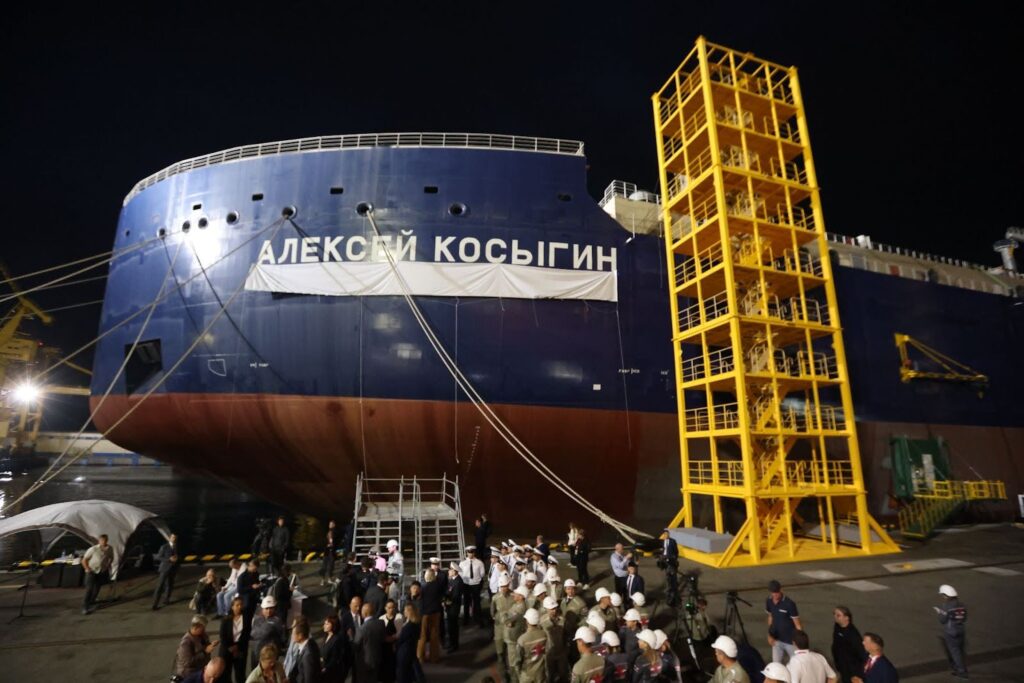
Amid strict sanctions, Russia still aims to increase its LNG production and export. As a result, the Arctic LNG 2 plant has experienced increased activity. The plant resumed natural gas processing on April 1. It has been significantly ramping up its gas output; the daily output on June 28-29 was about 14 million m3, which is its highest-ever recorded. Two LNG tankers have docked at Arctic LNG 2, the Iris and the Voskhod. The Iris arrived the week of June 23, which is the first docking in the past eight months. The ship moored at the plant for two days and then headed toward the northern port of Murmansk. The Voskhod arrived at the plant empty on July 16, ready to load.
Russia’s first ice-class LNG tanker is currently undergoing the final stage of its sea trials, which will end in July. It is expected to enter into operation later this year. The tanker will join the vessel fleet for Russia’s Arctic LNG 2 plant, as the lead vessel of a series of 15 next-generation Arc7 ice-class LNG tankers fleet commissioned by the partners of Arctic LNG 2. Similar to the newly built tanker, the plant and other Russian tankers were also heavily sanctioned. Those sanctioned vessels form Russia’s “shadow fleet”. Such efforts allow Russia to move its oil and gas to non-sanctioned partners for Russia’s energy exports.
Energy export is a central pillar for Russia’s economy, and the country will continue to be a key player in the international energy market. Russia is preparing to restart natural gas production, liquefaction, and export operations that were previously curtailed due to sweeping Western sanctions. This development underscores both the effectiveness and the vulnerabilities of sanctions as a long-term geopolitical strategy.
The initial suspension of LNG-related operations demonstrates that the targeted sanctions were effective in disrupting Russia’s energy export infrastructure. The interruption proved that sanctions could impose meaningful costs and delay key industrial projects. However, Russia’s move to revive its LNG production also points to how essential this sector is to the country’s economy, and how far it is willing to go to preserve it, even under sanctions and pressure.
Yet, the reactivation of Russian LNG facilities also exposes the limitations of sanctions. If Russia successfully resumes LNG exports, the long-term effectiveness of sanctions will be diminished. Sanctions are most powerful when the targeted economy remains closely tied to the U.S.-led financial system and the U.S. dollar. As sanctioned countries seek alternatives and forge new trade relationships, the economic leverage behind sanctions erodes. In Russia’s case, it has already pivoted toward major buyers like China and India. While China benefits from direct pipeline access to Russian gas, India is emerging as the most probable top buyer of Russian LNG.
The shift is already underway, with early signs pointing to a clear reorientation of Russia’s energy trade. On July 18, Russian oil tankers arrived at India’s Vadinar port, signaling an established trade channel with LNG sales expected to follow. This pattern suggests that even under sanctions, Russia can secure new markets for its energy resources, and they are often sold at discounted prices. This creates a clear incentive for buyers like India to continue purchasing Russian fossil fuels, undermining the intended isolating effect of sanctions.
If Western countries aim to limit the economic benefits that Russia can derive from its LNG exports, they must do more than just restricting trade. Western powers should actively compete with Russia in both energy sales and shipping capabilities. However, Europe’s limited capacity in energy export means that this burden falls largely on the United States. U.S. LNG and other energy supplies could become an essential component in future trade negotiations, particularly with India. Including energy procurement in broader trade deals may help align strategic goals while reducing reliance on Russian resources.
In sum, Russia’s LNG rebound illustrates that while sanctions can be effective in the short term, their power wanes if alternative markets emerge and if sanctioning countries fail to offer compelling substitutes. Strategic competition, especially in global energy markets, must accompany economic restrictions to ensure they remain impactful over time.
This issue’s Spotlight was written by Yunchao Mao, Research Assistant Intern.
Government Releases & Other Press Statements
Analyses & Opinions
Other Research

On July 15, 2025, Dr. Nong Hong conducted an in-depth discussion with Dr. Romain Chuffart, the President and Managing Director of The Arctic Institute.. The discussion explores their evolving relationships with Russia and the United States within the context of Arctic security, alongside Denmark’s broader engagement with other Arctic states. It also examines how Denmark and Greenland view China’s growing presence and interests in the region. In addition, the interview addresses Denmark’s chairmanship of the Arctic Council (2025–2027) and the central importance of Indigenous peoples’ rights in Arctic governance—offering a deeper understanding of the geopolitical, institutional, and environmental factors shaping their approach to Arctic affairs.
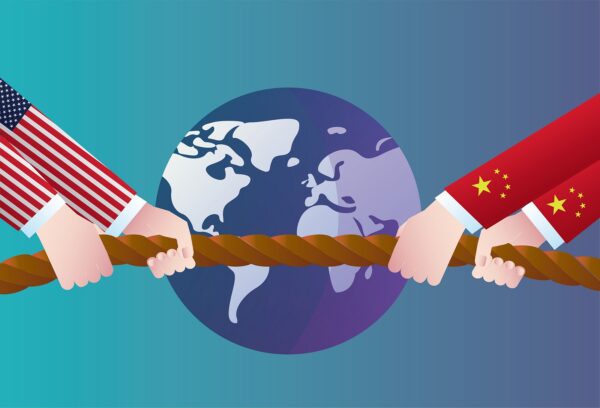
Deep Waters, High Stakes: U.S. Policy Reform for Offshore Critical Minerals
by Nong Hong
July 24, 2025
Key Takeaways
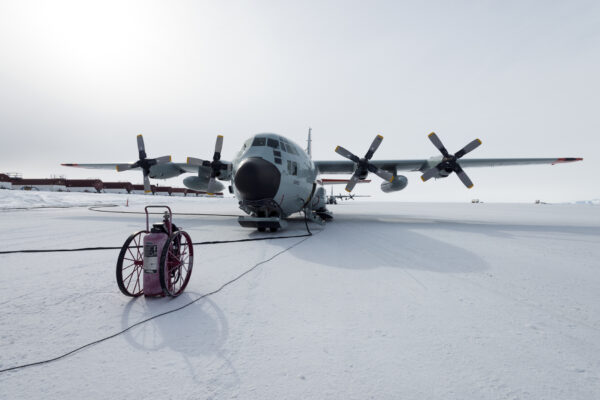
Ethan Guo’s Antarctic Landing: What a Teen Pilot’s Flight Reveals About Law and Governance at the South Pole
by Nong Hong
July 3, 2025
When 19-year–old American pilot Ethan Guo landed at Chile’s Lieutenant Rodolfo Marsh Base in Antarctica, ostensibly deviating from his filed flight plan, it immediately made headlines. Guo was attempting a record-setting solo flight to all seven continents to raise funds for childhood cancer. But rather than global applause, he was met with detention by Chilean authorities in Punta Arenas and charged under civil aviation and Antarctic regulations for submitting a false flight plan and illegally entering Antarctic airspace.
The incident appears dramatic yet understandable: a minor aviation infraction in a remote setting. Dig deeper, however, and it becomes a fascinating case study in how national jurisdiction, international law, and symbolic power intersect at the frozen fringes of human reach…

The Institute for China-America Studies is an independent nonprofit, nonpartisan research organization dedicated to strengthening the understanding of U.S.-China relations through expert analysis and practical policy solutions.
1919 M St. NW Suite 310,
Washington, DC 20036
icas@chinaus-icas.org
(202) 968-0595
© 2026 INSTITUTE FOR CHINA-AMERICA STUDIES. ALL RIGHTS RESERVED.