
Cover Image Source: Royalty Free Getty Images
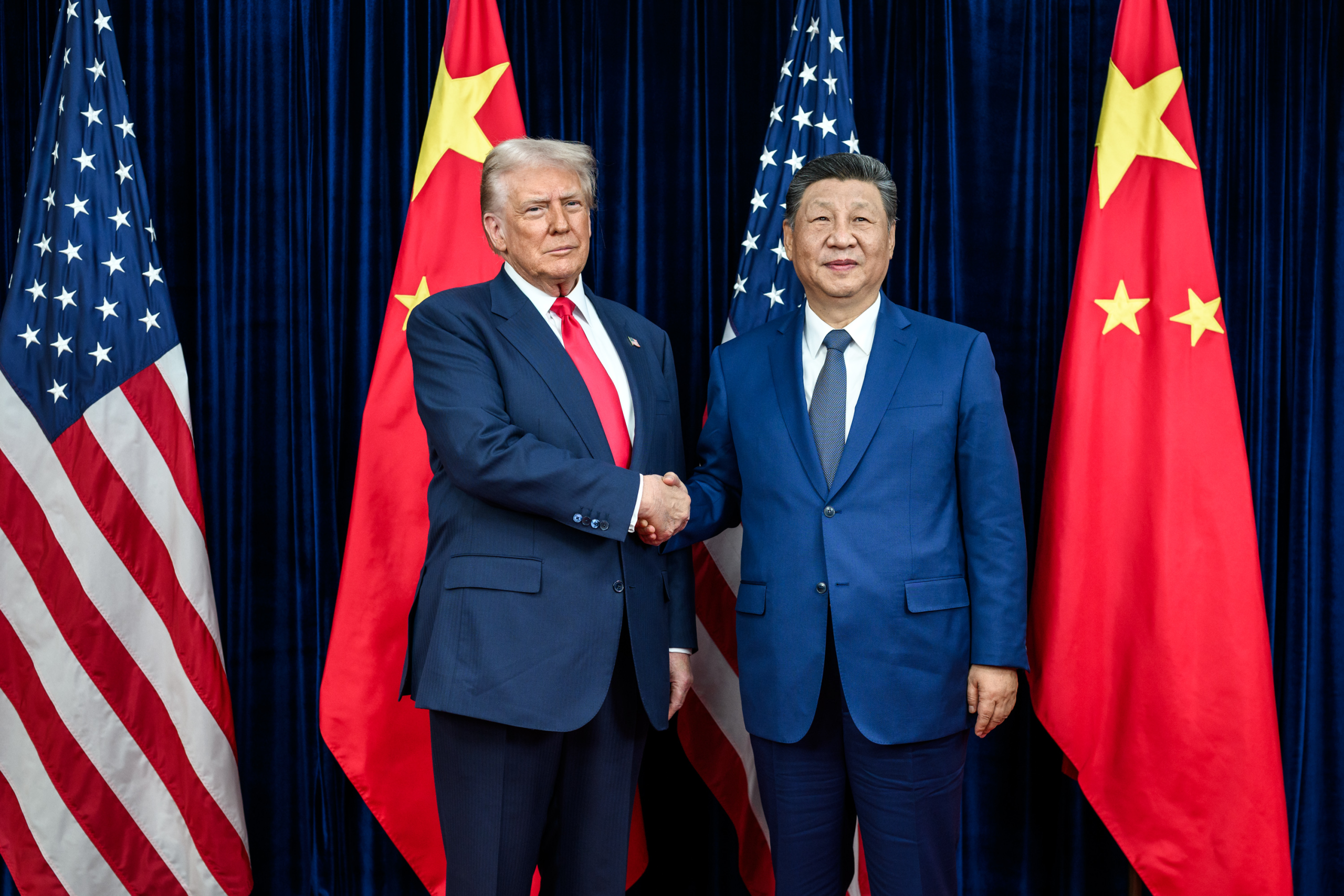
Chinese President Xi Jinping is expected to meet US President Donald Trump in Washington this week, after the May talks in Beijing and before the November Apec summit in Shenzhen. This sequence of diplomacy will test if the commitment to building a “constructive China-US relationship of strategic stability” translates into practical arrangements.
The Washington meeting faces clear limits. Differences over trade, technology, industrial policy, Taiwan and regional security are deeply embedded in the relationship.
Washington will want results Trump can present at home: tariff reductions, greater Chinese purchases of agricultural and energy products, reliable access to critical minerals and new commercial contracts. Beijing will seek greater consistency in US policy, particularly on Taiwan, technology restrictions and trade measures.
There is room for a phased agreement, provided it rests on reciprocity and addresses major concerns for both sides.
Trade offers the most immediate opportunity. The two economic teams are discussing a tariff reduction framework covering around US$30 billion worth of goods from each side. The meeting could produce agreement on product lists, implementation schedules or additional market access. It would help businesses in both countries and reduce some of the pressure that tariff uncertainty has placed on Asia-Pacific supply chains.
The lasting value of any package will depend on implementation. After rounds of tariff increases, suspensions and policy reversals, new purchase commitments or tariff adjustments could quickly lose value if overtaken by disputes over technology, subsidies or national security. A credible outcome requires clear timetables, working-level channels and procedures to manage disagreements.
Taiwan remains the most sensitive issue. For China, it is the “core of core interests”. Some US allies in Asia have expressed concern about possible changes in Washington’s language on Taiwan, reflecting wider unease over the possibility of a policy trade-off. A summit statement that creates uncertainty about either side’s intentions could encourage competing interpretations across the region. Greater clarity, backed by restraint in policy and military signalling, would do more to reduce risk than carefully worded ambiguity.
The South China Sea disputes require similar caution. The United States is a treaty ally of the Philippines, one of several Southeast Asian claimant states. More frequent maritime encounters, growing military activity and US alliance commitments have increased the risk that an incident involving a Southeast Asian state could draw Washington and Beijing into a direct confrontation.
Washington and Beijing need to maintain rules for encounters at sea and in the air, keep crisis communication channels open and avoid treating every tactical incident as a test of strategic resolve. The region has avoided sustained armed confrontation, but the frequency and proximity of maritime encounters leave little room for complacency.
Artificial intelligence should also feature in the talks. China and the US will continue to compete over advanced chips, export controls, technical standards and industrial capacity. But the application of AI to cyber operations, military decision-making, intelligence analysis and nuclear warning systems introduces risks neither side can manage alone. AI safety and strategic risk are an area of possible dialogue.
A comprehensive China-US AI agreement remains out of reach. But their governments could establish regular contact, explore notification procedures for serious AI-related incidents and begin discussions on the most dangerous military applications. Dialogue on the role of AI in nuclear command and early-warning systems would be particularly valuable. Even limited progress could complement the Asia-Pacific Economic Cooperation (Apec) forum’s work on digital and AI cooperation.
What happens at the Washington meeting will ripple out. China has set this year’s Apec theme as “Building an Asia-Pacific Community to Prosper Together”, with openness, innovation and cooperation as its main priorities. If Washington produces workable economic arrangements and more reliable communication, the Shenzhen meeting will have a stronger foundation for progress on trade, AI, energy, climate and sustainable development. If the results depend mainly on the Xi-Trump personal relationship, renewed bilateral friction could again overshadow the regional agenda.
Asia-Pacific economies accept that China-US competition will continue – their concern is the cost. Policy shifts disrupt investment and supply chains, maritime incidents heighten security pressures, and bloc politics constrains countries seeking productive ties with both Beijing and Washington. A more stable bilateral relationship means not having to choose sides or accept a China-US condominium over regional affairs. It would mean greater space to pursue their own development and security interests.
For European governments, the wish is for greater stability in global trade and technology policy, even as they remain wary of any deal that sidelines multilateral rules or shifts economic pressure onto European industries. A more predictable China-US relationship could ease tensions between Europe’s economic ties with China and its security coordination with the US. Another cycle of temporary bargains and renewed restrictions would reinforce efforts to diversify supply chains and tighten economic security controls.
Across the Global South, many countries share concerns about the economic costs of major-power rivalry. Their priorities include market access, affordable energy, food security, development finance and access to new technologies. Smaller and less diversified economies are especially vulnerable to tariffs, policy uncertainty and disruptions to global value chains. Greater China-US stability could create more room for cooperation on climate finance, debt, public health, infrastructure and AI capacity building, while also improving prospects for cooperation in multilateral forums.
The real value of the Washington meeting is whether its understandings survive the next bilateral dispute. The key tests will be whether tariff arrangements are implemented, working-level negotiations continue, crisis communication channels remain open and dialogue on AI risks begins. The Shenzhen Apec meeting will provide an early test of whether the momentum generated can be sustained.
This article was originally published in South China Morning Post on September 21, 2026.


The Missing Capital and Investment Dimension in U.S.-China Economic Stabilization