
ICAS Bulletin (online ISSN 2836-3418, print ISSN 2836-340X) is published every other week throughout the year at 1919 M St NW, Suite 310, Washington, DC 20036.
The online version of ICAS Bulletin can be found at chinaus-icas.org/bulletins/.
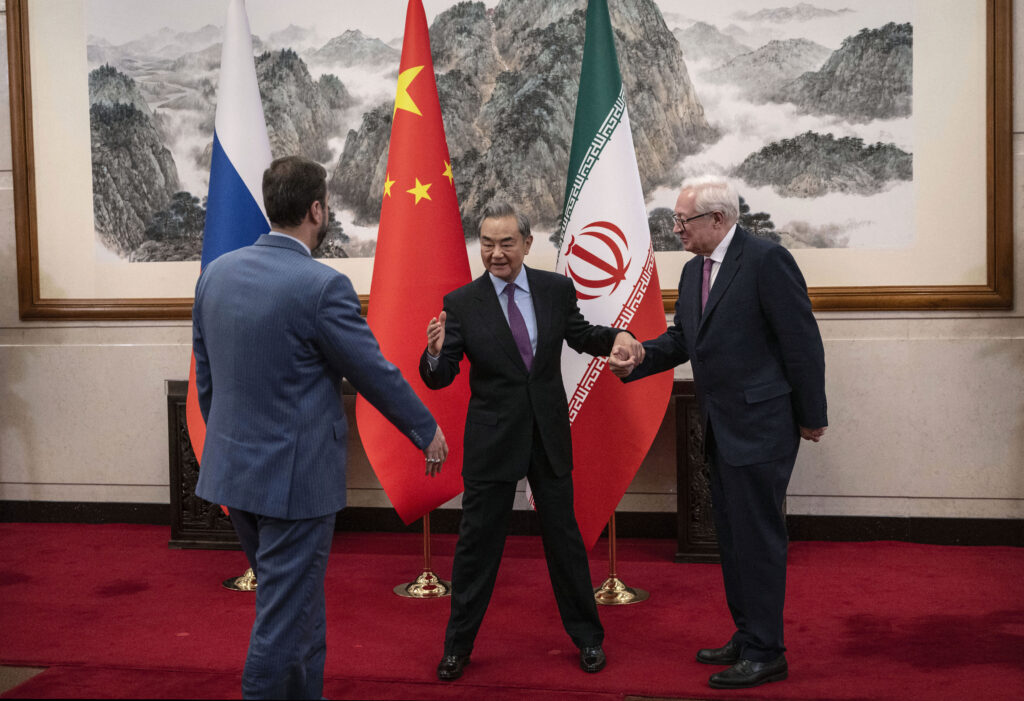
– After the U.S. conducted airstrikes on Iranian nuclear facilities, Iranian lawmakers discussed retaliatory steps, including the extraordinary possibility of closing the Strait of Hormuz.
– On June 22, U.S. Secretary of State Marco Rubio publicly urged China to diplomatically intervene and persuade Iran not to proceed with its threat. He labeled the potential closure as “economic suicide”, warning of distruptions to vital global oil trade routes and broader risks to the energy market.
– On June 22, China issued a formal condemnation of the U.S. strikes, calling them a breach of the UN Charter. China aligned with Russia and Pakistan at the UN Security Council in supporting a ceasefire resolution and urging a return to diplomatic dialogue.
– On June 23, Chinese authorities criticized what they saw as the eroding credibility of U.S. leadership in the region. Beijing warned that further U.S. military action could destabilize global markets, trigger unintended consequences, and heighten the risk of conflict in the already volatile Middle East.
– The Chinese Foreign Ministry reiterated calls for all parties to show restraint, specifically urging Iran to refrain from extreme retaliation—such as closing the Strait of Hormuz—that could spark a broader international crisis.
– As of June 25, the Strait of Hormuz remains open. Despite the Iranian parliamentary approval to close the strait, no official action has been taken. Oil markets have stabilized, and China has limited its public involvement to standard diplomatic statements, avoiding deeper engagement.
Associated News References:
“U.S. Urges China To Dissuade Iran From Closing Strait Of Hormuz,” Reuters, June 22
“China Slams U.S. Strikes As Violation Of International Law,” The Daily Guardian, June 22
“China Urges Support for Iran-Israel Cease-Fire Resolution,” Wall Street Journal, June 23
“Rubio Warns Of Global Oil Disruption Over Hormuz Closure,” The Hill, June 23
“China Voices Concern About Impact of Conflict On Shipping,” Wall Street Journal, June 23
“U.S. Asks China To Stop Iran From Closing Strait Of Hormuz,” BBC News, June 23
“With Much To Lose, China Sat On Israel-Iran War’s Sidelines As U.S. Flexed,” Washington Post, June 24
“The Market Is Getting Back to Ignoring Iran,” Bloomberg, June 25
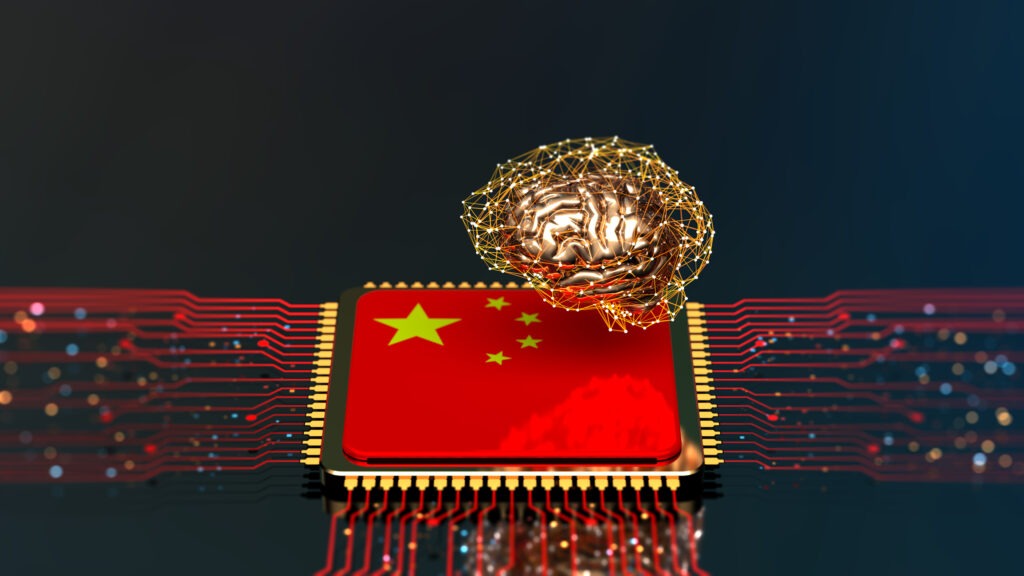
– On June 20, The U.S. Commerce Department revoked export-control waivers previously granted to Samsung, SK Hynix, and TSMC, limiting their ability to import advanced chipmaking equipment into their facilities in China. These companies are among U.S. allies with supply chains rooted in China.
– On June 23, Huawei’s new MateBook still depends on domestically produced 7nm chips—highlighting China’s limited progress in replacing U.S.-restricted chipmaking technology.
– In retaliation for the export restrictions, China imposed six-month controls on rare-earth mineral exports to the U.S., directly affecting critical industries such as EV’s, aerospace, and defense. The move revealed China’s readiness to weaponize its dominance in strategic resources.
– That same day, Ford narrowly avoided halting production at its Chicago EV plant due to rare-earth magnet shortage, despite receiving a temporary license relief.
-On June 23, U.S. lawmakers introduced Foreign Pollution Fee Act, proposing a carbon-based border tariff primarily targeting Chinese-made goods. Though framed as an environmental initiative, the proposed tax is viewed by some as an additional tool in the U.S. industrial competition strategy.
– On June 26, the U.S. and China reached a partial agreement to restart rare-earth exports, offering some relief. However the licensing process remains slow. U.S. rare-earth imports are still 75% below normal levels and China continues to block military-grade material.
– On June 27, China announced a $50 billion expansion of its Big Fund III to accelerate domestic chip developments, focusing on lithography and EDA tools, to reduce reliance on Western technology.
Associated News References:
“U.S. May Target Samsung, Hynix, Tsmc Operation In China, Sources Say,” Reuters, June 20
“U.S. Prepares Action Targeting Allies’ Chip Plants In China,” The Wall Street Journal, June 20
“Ford Still Scrambling To Get Rare-Earth Magnets,” The Wall Street Journal, June 23
“A Carbon Tariff Is The Right Way To Confront China On Trade,” The Washington Post, June 23
“Huawei’s New Laptop Uses Older China-Made Chip, U.S. Curbs Stall Smic,” Reuters, June 23
“U.S. Reaches Deal With China To Speed-Up Rare Earth Shipments, White House Says,” The Guardian, June 27
“China’s Rare Earths Are Flowing Again, But Not Freely,” The Economic Times, June 29
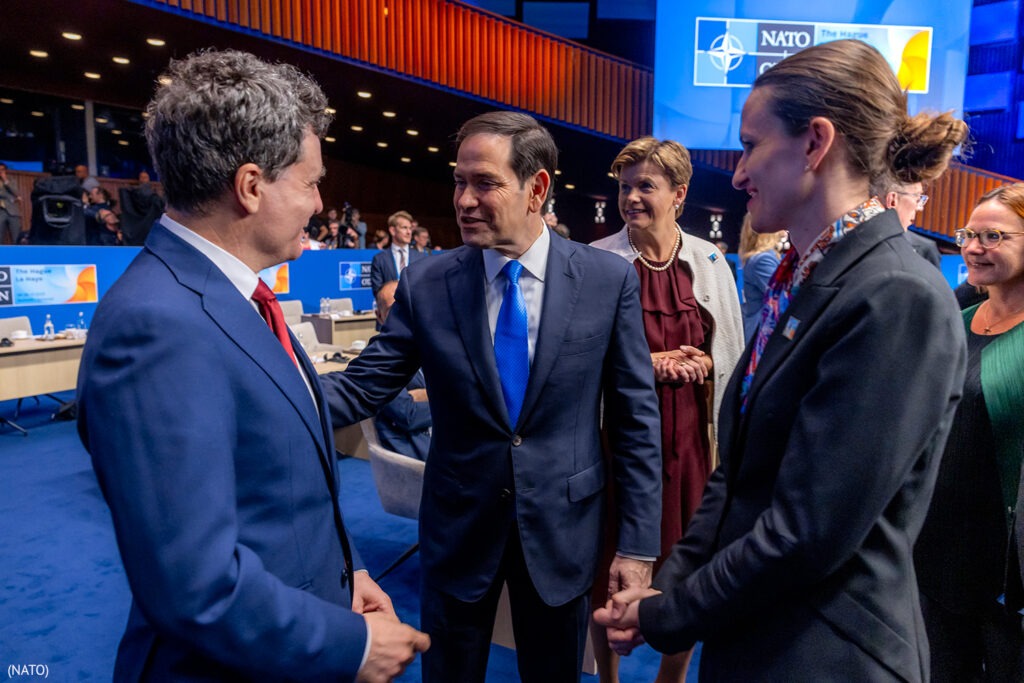
– At a June 25 press conference, NATO-Secretary-General Mark Rutte stated the alliance had “no alternative” but to enhance defense readiness to “the massive build-up of the military in China”.
– During the summit,. U.S. officials emphasized expanding NATO’s partnerships with Indo-Pacific countries, such as Japan, South Korea, Australia, and New Zealand, to address growing concerns over Chinese influence in maritime security, cyber infrastructure, and supply chains. This is part of Washington’s continued efforts to internationalize the “China challenge”.
– On the sidelines of the summit, NATO held a Defense Industry Forum focused on expanding European defense production and easing transatlantic trade barriers. These efforts were seen as part of a broader effort to strengthen allied military -industrial capacity.
Associated News References:
“No Room For Beijing: Nato Declaration Without China Reference,” Table Media, June 24
“No Alternative To Higher Defense Spending Amid Russian Threat, Nato’s Rutte Says,” Reuters, June 25
“Trump Says Nato Defense Spend Rising To 5% Of Gdp Is “Big Win” For U.S. And West,” BBC, June 25
“Trump Says Whether He’ll Commit To Nato Mutual Defense Guarantee Depends On Your Definition,” AP News, June 25
“Trump Gets A Big Win On Nato-But Key Questions Over The Alliance Remain,” CNN, June 25
“Four Fundamental Questions The Nato Summit Did Not Answer,” Atlantic Council, June 27

– From June 24-26, the World Economic Forum’s “Summer Davos” in Tianjin brought together over 1,700 leaders from +90 countries.
– Chinese Premier Li Qiang pledged in his keynote speech that China would become a “mega-sized” consumption power and championed global cooperation in AI, climate tech, and manufacturing modernization.
– China’s DeepSeek AI and Unitree Robotics drew praise from international participants, reinforcing perceptions of China’s rising tech capabilities amid intensifying U.S.-China competition. Premier Li underscored China’s technological development is intended to be inclusive and globally shared; he emphasized Beijing’s commitment to “openness and interoperability” in areas such as AI-powered agriculture, EVs, and low-attitude aviation.
– At the forum, geopolitical risks, especially the Iran-Israel conflict, were dominant concerns. Amid this backdrop, Chinese officials projected stability, arguing that China remains committed to globalization and mutual prosperity.
– WEF President Borge Brende cautioned that in the absence of renewed cooperation, U.S. tariffs, inflationary pressures, and fragmented global value chains have already stifled investor confidence. Chinese leaders argued that multilateral innovation and collaboration are the only sustainable path forward in an increasingly fragmented economic landscape.
Associated News References:
“Turmoil And Trade Wars Dominate China’s Summer Davos,” BBC News, June 24
“Summer Davos Concludes With Focus On China’s Critical Role Globally,” Global Times, June 25
“China’s Premier Vows To Open Its Doors Wider’ To Trade And Tech Industry,” Financial Times, June 25 [Paywall]
“China Summer Davos Offers Rare Despite From Trade War,” Financial Times, June 25 [Paywall]
“Premier Liqiang’s Opening At Summer Davos,” World Economic Forum, June 26
“China Becomes Bright Spot An Uncertain Time: SCMP’s Summer Davos Highlights,” South China Morning Post, June 27
“2025 Summer Davos Underscores Global Cooperation With China In Emerging And Future Industries,” China Focus, June 30
“Top Openai Talent In China Joins Meta As Zuckerberg Bolsters Ai Team,” South China Morning Post, June 30
“Chinese Chipmakers Sophgo Adapts Compute Card For Deepseek Amid Beijing’s Self-Reliance Push,” South China Morning Post, June 30
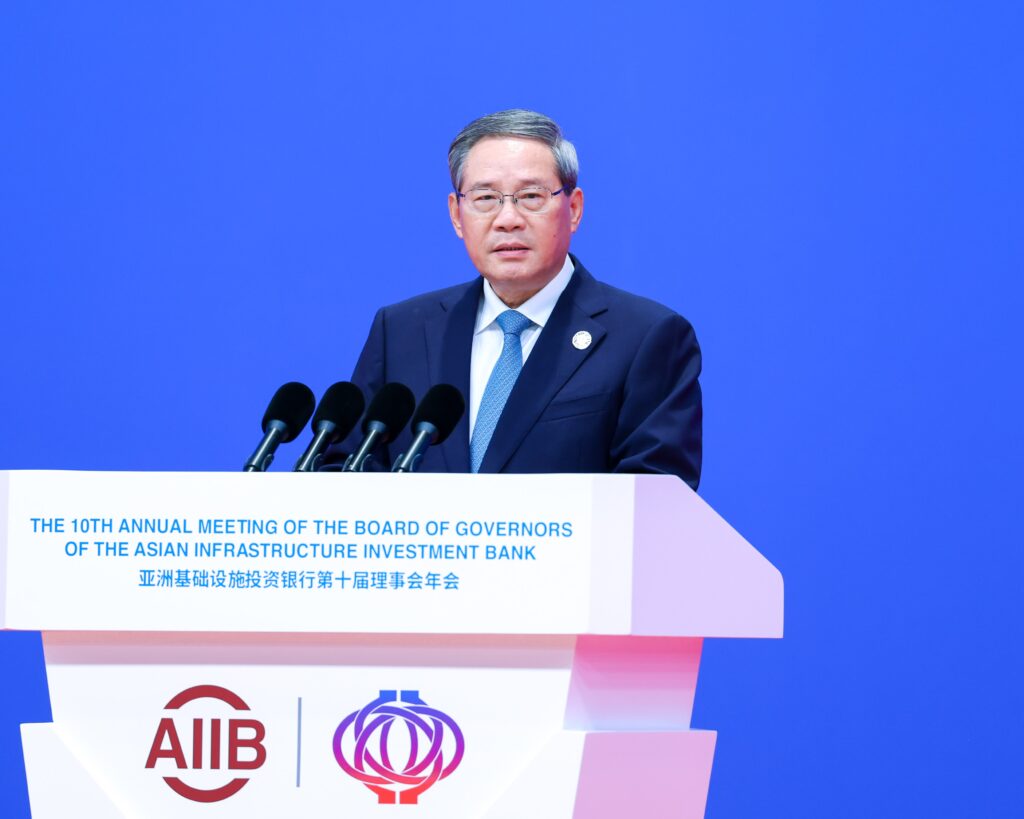
– From June 24-26, the Asian Infrastructure Investment Bank (AIIB) held its 10th Annual Meeting in Beijing, marking a decade since its founding by China as a multilateral development bank. The AIIB has become a key tool in China’s effort to reshape the global financial order.
– Chinese Premier Li Qiang emphasized in his keynote speech that infrastructure should serve as a “bridge, not a barrier”, a veiled reference to the U.S.’s increasing use of economic tools like sanctions, investment restrictions, and export controls.
– China’s Finance Minister Lan Fo’an also called for expanding cross-border financing through the AIIB, warning that global development aid is “drying up.” The U.S. has taken large steps towards scaling back infrastructure financing in the Global South while redirecting resources toward strategic decoupling.
– The election of Zou Jiayi as the AIIB’s new president and first female leader further highlights China’s growing institutional control and soft power strategy to project credibility, gender inclusivity, and technocratic leadership within global development institutions.
-The meeting came just days before U.S. officials made renewed calls to reduce reliance on Chinese minerals, AI chips, and supply chains, signaling how institutions like AIIB are now central in the broader U.S.- China contests over rules-based leadership in global finance and development.
Associated News References:
“What Can We Expect From The Asian Infrastructure Investment Bank Meeting This Week?,” Euro News, June 23
“China Urges Aiib To Step Up Cross–Border Development Funding, Says Global Aid Drying Up,” Reuters, June 24
“China’s Zou Jiayi Named Next AIIB President,” Reuters, June 24
“AIIB First Decade Marks As A Path Of Multilateral, Sustainable Development,” Xinhua, June 24
“China To Work With AIIB Members Promote Connectivity, Sustainable Development Across Asia: Fm,” Global Times, June 24
“China’s Consumptions Push Will Support Global Growth, Premier Li Says,” Reuters, June 26
“Opening Ceremony Of The 10th Annual Meeting Of Aiib Held In Beijing,” People’s Daily Online, June 27
“U.S. Prices On China-Made Goods Sold Via Amazon Rise Faster Than Inflation, Analysis Shows,” Reuters, June 30
“Former Amb. Nicholas Burns: Don’t Think The U.S. And China Are Close To A Comprehensive Trade Deal,” CNBC, June 30
“China Urges U.S. To Uphold Multilateral Trade Rules And Reciprocal Tariff Negotiations,” CGTN, June 28
“China Emerges As Top Iranian Oil Buyer Despite U.S. Sanctions; Shadow Fleet Sustains Trade,” CNBC, June 27
“Lutnick Says U.S.–China Trade Truce Signed, 10 Deals Imminent,” MSN, June 27
“Wang Yi urges U.S. to work with China on issue of mutual perception,” CGTN, June 26
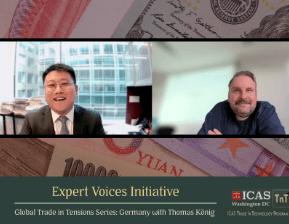
The Global Trade in Tension Series: Germany with Thomas König
June 27, 2025
On June 27, ICAS initiated a special segment of its Expert Voices Initiative (EVI) series, The Global Trade in Tension Series: Germany, with Thomas König, China Director at the German Chamber of Commerce (DIHK). The discussion explored the evolving landscape of EU-China trade relations, examining opportunities for cooperation, areas of strategic hesitation, and the broader reassessment of Germany and the EU’s China strategies. Mr. König also reflected on the EU’s position in the US-China-EU trilateral dynamic in light of ongoing geopolitical and economic tensions.
The full recording of the interview will be released shortly, stay tuned.
Trading War For Golf
By Rian Knighton
June 24, 2025
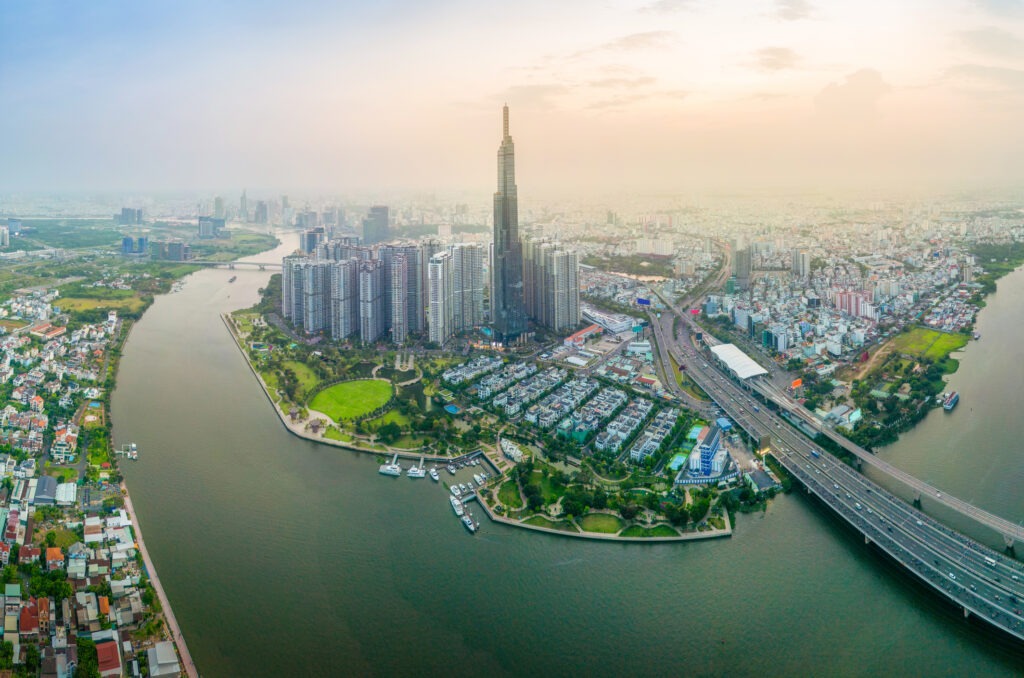
In late May this year, Vietnamese Prime Minister Pham Minh Chinh and son of U.S. President Eric Trump met and brokered a deal for three eighteen hole golf courses just outside of Hanoi. Eric Trump also floated the idea of building an illustrious skyscraper in a follow up meeting in Ho Chi Minh City, promising to visit the country often. Despite Vietnam’s unique property laws, the Vietnamese government and local authorities moved to fast-track the approval for the project with real estate firm Kinhbac City.
As the July 8th tariff implementation deadline approaches, the Trump administration has made demands of Vietnam such as decoupling from Chinese tech and reducing the amount of goods reportedly being shipped from China to Vietnam and then exported as ‘Made in Vietnam’ to avoid being slapped with tariffs. Negotiations have been described as “tough” by Vietnamese constituents concerned over the demands. It’s clear why Vietnam might make exceptions to their rules for the Trump family enterprises – government officials want a better trade deal than the one they’re facing…
Russia’s Arctic Bet: Can Asia Deliver on NSR Ambitions?
By Nong Hong
June 19, 2025
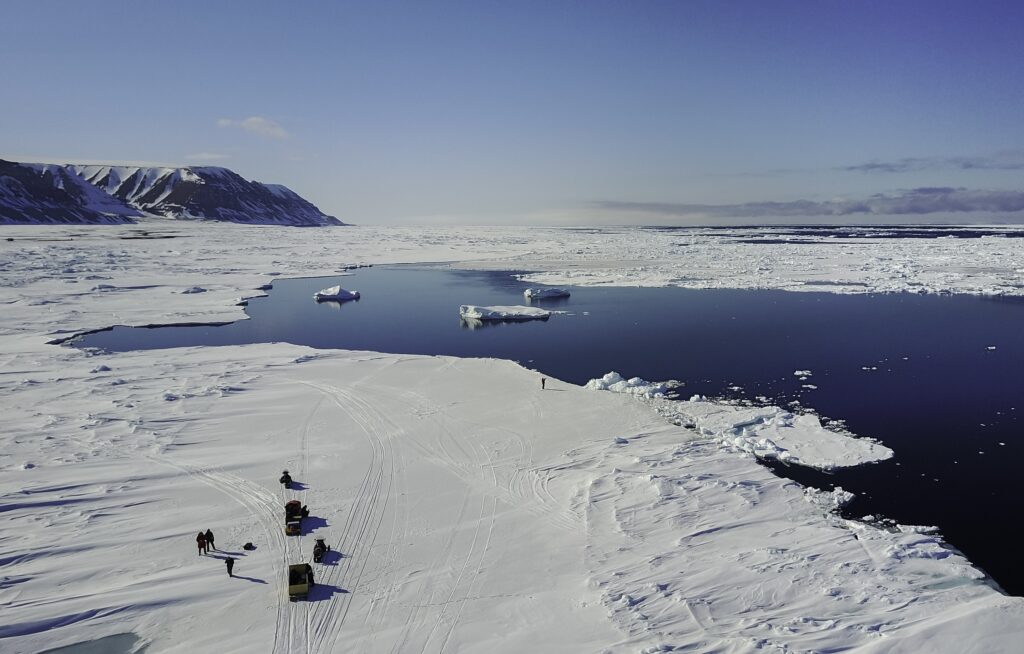
Russia’s ambitions to expand the global utilization of the Northern Sea Route (NSR) have re-emerged in global discourse with Rosatom forecasting a 50% rise of foreign vessel traffic through its Arctic corridor. The announcement, made despite ongoing Western sanctions and regional instability caused by the war in Ukraine, reflects Moscow’s strategic bid to recast the Arctic as a new maritime frontier dominated by Russian infrastructure and legal control. With climate change gradually opening northern waters and China, India, and other Asian powers eyeing polar routes for faster Asia-Europe trade, the NSR seems poised for a new era. Yet, critical questions remain:
Can Russia truly turn the NSR into a viable global shipping lane? And if so, at what cost? While the NSR offers potential savings in distance and fuel, its operational, political, legal, and environmental challenges are far from being addressed. Russia’s unilateralist strategy risks turning this strategic corridor into a geopolitical fault line rather than a connective artery…
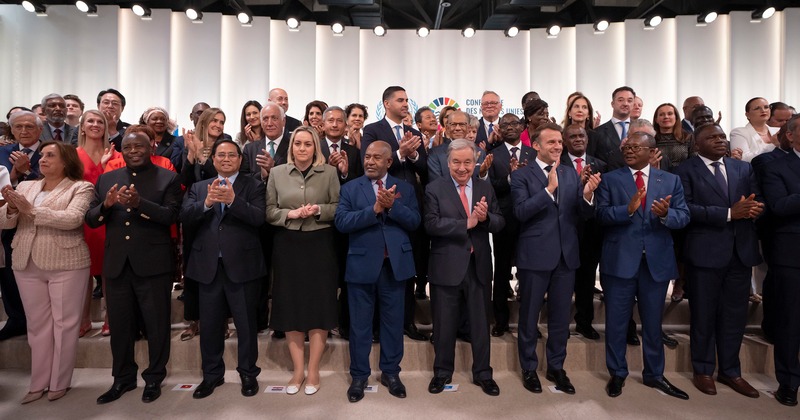
Charting the Blue Future: Reflections on the 2025 UN Ocean Conference in France
By Nong Hong
June 24, 2025
Held from June 9 to 13, 2025, in Nice, France, the Third United Nations Ocean Conference (UNOC3) convened at a critical juncture for global ocean governance. Facing mounting pressure from climate change, rampant overfishing, accelerating biodiversity loss, and the emerging challenges of deep-sea mining, the conference brought together world leaders, scientists, civil society, and the private sector. Under the unifying theme of “Accelerating action and mobilizing all actors to conserve and sustainably use the ocean,” and jointly hosted by France and Costa Rica, this pivotal event sought to renew political momentum for fully implementing Sustainable Development Goal 14 (Life Below Water) and accelerate the ratification and enforcement of newly adopted international frameworks. The urgency was palpable, especially as the 2024 Sustainable Development Goals Report revealed that only 16% of the SDG targets are on track for achievement by 2030—while SDG 14 is among the goals showing the least progress…
Trump’s London “Deal” is just another Curtain Drop
By Yilun Zhang
June 18, 2025
President Trump took to Truth Social with typical bravado after the latest U.S.–China trade talks in London: “OUR DEAL WITH CHINA IS DONE… THANK YOU FOR YOUR ATTENTION TO THIS MATTER!” If that sounded like a curtain call, it was only fitting for a presidency that prefers applause lines to substantive policy.
But while Trump may have declared “deal done,” Beijing, characteristically cautious, said nothing of the sort. The official Chinese readout described the outcome as a “framework consensus in principle” and called for continued institutional dialogue. Not exactly the language of finality.
This divergence in tone isn’t new—but it is telling. Beijing framed the London round as a procedural beginning, a way to stabilize a dangerously shaky relationship. Washington, on the other hand, offered no official statement beyond Trump’s Truth Social feed, suggesting—once again—that it sees engagement with China not as a process, but as a publicity stunt…
On Thursday, June 26, 2025, Senior Fellow Sourabh Gupta was quoted by the South China Morning Post on the fragile U.S.-China trade truce and the broader geopolitical landscape following high-level talks in London.
On Monday, June 23, 2025, Senior Fellow Sourabh Gupta was quoted extensively by the South China Morning Post in an article on the U.S.-China trade relations during President Trump’s second term and the implications of the recent trade truce reached in London.
On Sunday, June 22, 2025, Senior Fellow Sourabh Gupta was quoted by China Daily News in coverage of the U.S. airstrikes on three Iranian nuclear facilities and their geopolitical consequences.
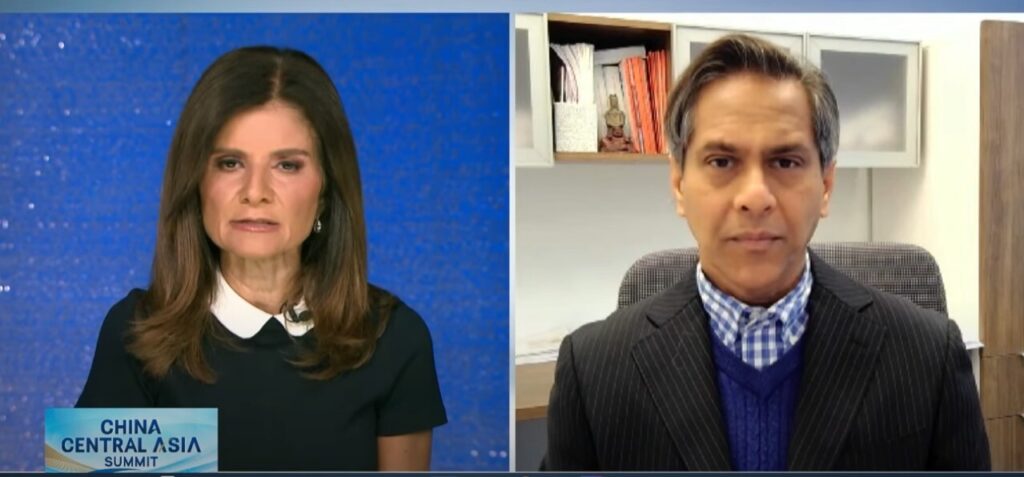
On Monday, June 16, 2025, Senior Fellow Sourabh Gupta was interviewed by CGTN to discuss the China-Central Asia Summit and broader geopolitical dynamics in the region.