
ICAS Bulletin (online ISSN 2836-3418, print ISSN 2836-340X) is published every other week throughout the year at 1919 M St NW, Suite 310, Washington, DC 20036.
The online version of ICAS Bulletin can be found at chinaus-icas.org/bulletins/.
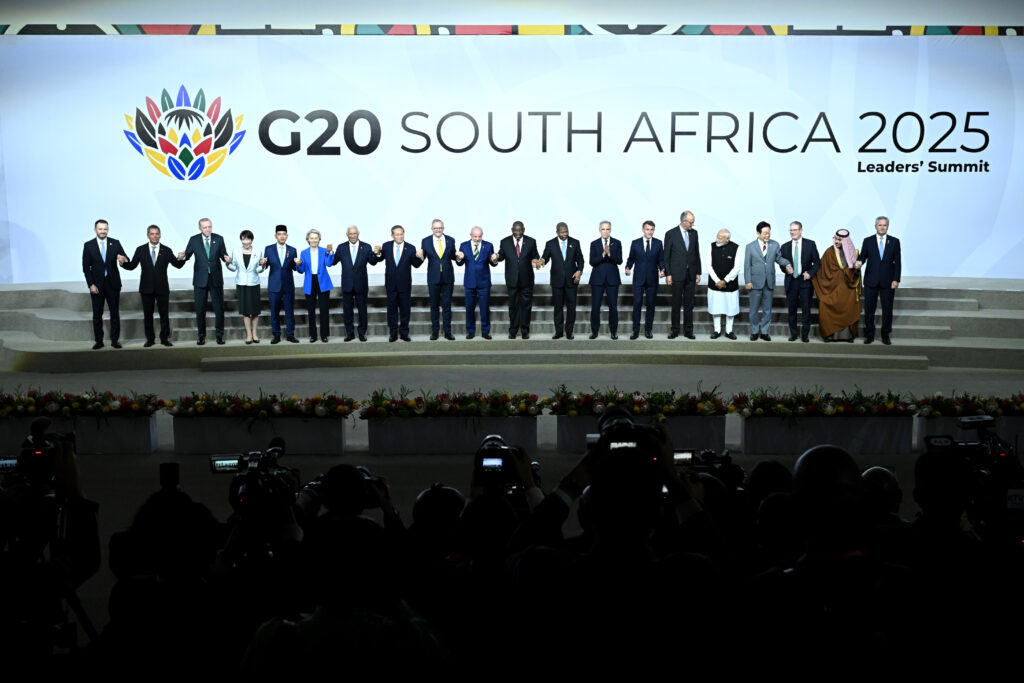
– The 2025 G20 summit was held in Johannesburg, South Africa from November 22-23, marking the first G20 summit in Africa. However, the U.S. boycotted the meetings, which is the host of the next G20 Summit.
– The leaders adopted a declaration on the global climate crisis and rising debt levels despite opposition from the U.S. The G20 declaration also defended members’ commitment to ensuring food security “through open and non-discriminatory trade policies consistent with WTO rules” and supported exploration of critical minerals amid disruptions due to “unilateral trade measures”.
– The White House accused the South African government of “refusing to facilitate a smooth transition of the G20 presidency” and forcing through the declaration in defiance of its objections. Argentina did not participate in the declaration.
– On November 23, Premier Li Qiang used the G20 summit to defend China’s rare-earth export controls and announced a new “green mining” initiative with 19 countries, positioning Beijing as a leader in critical-minerals governance amid global supply chain concerns.
– Despite China’s assurances on critical minerals, Australia, Canada, and India announced a new Technology and Innovation (ACITI) Partnership on the sidelines of G20, agreeing to deepen cooperation on critical-minerals supply chains, emerging technologies, and green energy, and directed officials to meet in early 2026 to advance the initiative.
– On November 23 at the summit, Canadian Prime Minister Mark Carney said that he will not allow President Trump to dictate Canada’s agenda, will only engage Washington when necessary, and the world can advance on major issues even without U.S. participation, highlighting new partnerships with South Africa, India, China, and a record C$70 billion investment pledge from the UAE.
– Chinese Premier Li Qiang urged the G20 to “accelerate the reform” of institutions like the World Bank, IMF, and WTO, reaffirmed China’s support for debt relief for developing countries, and rejected “unilateralism and protectionism”.
– on November 23, Premier Li held discussions with Italian Prime Minister Giorgia Meloni on the sidelines of the summit, with Li calling for a fair, non-discriminatory environment for Chinese investors and Meloni emphasizing the need to “guarantee the security of global supply chains”. Premier Li also met German Chancellor Friedrich Merz and emphasized that China and Germany are important economic and trade partners, urging Berlin to maintain a “rational and pragmatic” China policy while proposing closer cooperation in strategic industries.
Associated News References:
“G20 declaration in defiance of US marks rare victory for multilateralism,” Reuters, November 24
“China pitches closer ties to Germany in strategic industries to ease rare earth strains,” Reuters, November 24
“Carney Says World Can Move on Without US, Stresses New Ties,” Bloomberg, November 23
“G20 South Africa summit sees China, allies drive agenda as US stays away,” South China Morning Post, November 23
“China’s Li urges fair investor treatment in Italy,” Reuters, November 23
“G20 summit in South Africa adopts declaration despite US boycott, opposition,” Reuters, November 22
“Carney signs onto AI and technology partnership with India and Australia,” CBC, November 22
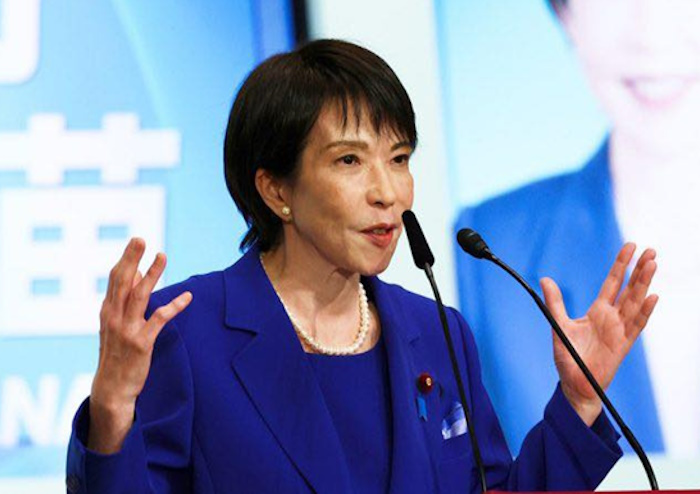
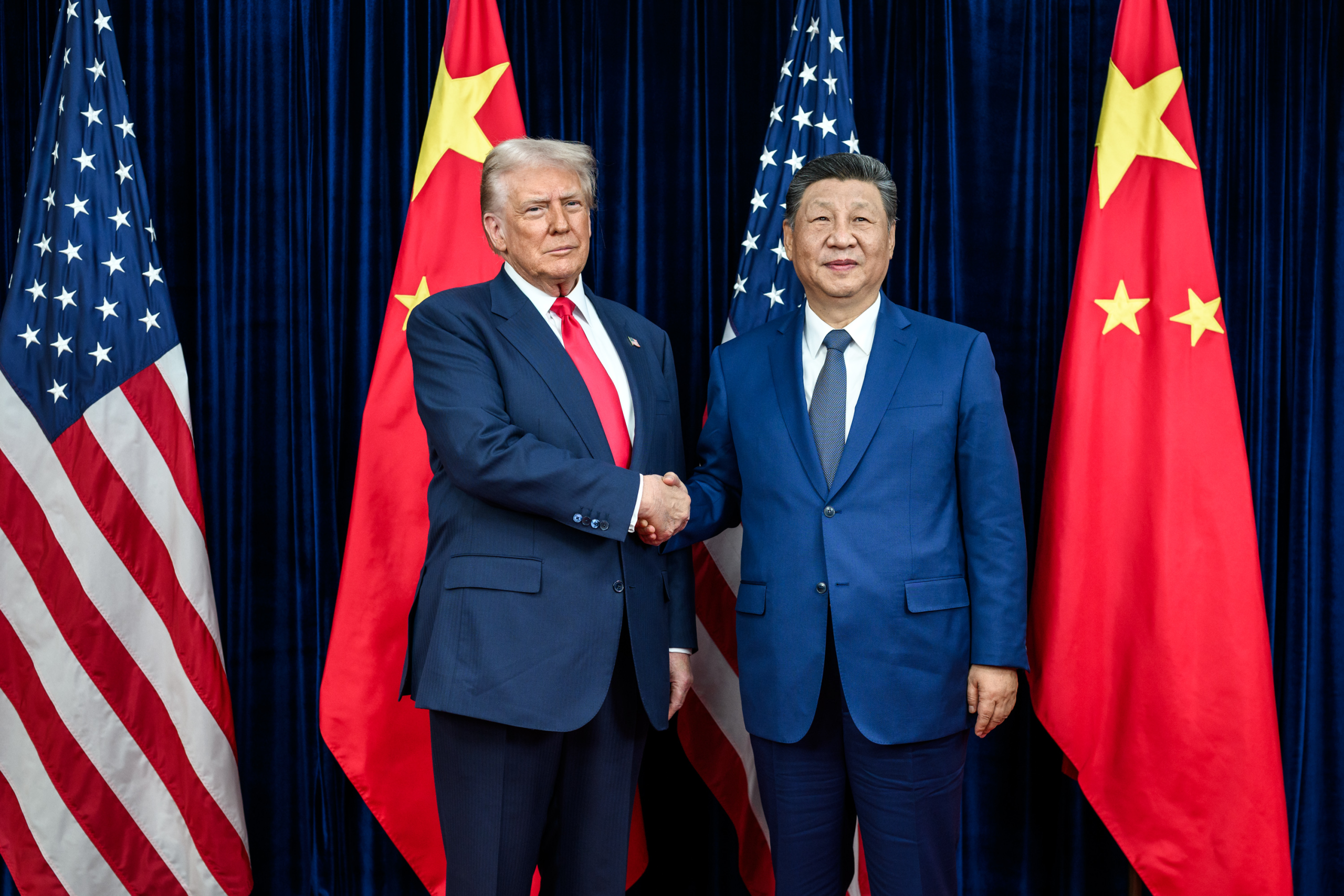
– On November 24, President Trump had a phone call with Chinese President Xi Jinping and later with Japanese Prime Minister Takaichi as China-Japan tensions spiked over Takaichi’s remarks over Taiwan.
– President Trump told Prime Minister Takaichi during their November 25 call that he did not want the Japan – China dispute over Taiwan remarks to escalate as he avoids publicly taking a position, trying to protect his trade truce with Beijing.
– China has retaliated with travel warnings, economic pressure, and military drills, while Japan signals it will not retract Takaichi’s comments but remains open to dialogue.
– During the phone call, it was reported that Xi pressed Trump that Taiwan’s “return to China” is core to the postwar order. Markets welcomed signs Trump is trying to preserve his trade truce with China ahead of a planned April visit.
– Japan has denied U.S. media reports that President Trump advised Prime Minister Takaichi to “lower the volume” on Taiwan to avoid provoking China.
– Prime Minister Takaichi said President Trump requested a call on November 24 to brief her on his conversation with Xi Jinping and the state of U.S.-China relations. Takaichi stressed strong U.S.-Japan cooperation, and new polls show her support remains high.
Associated News References:
“Trump urged Japan’s Takaichi not to aggravate China dispute, sources say,” Reuters, November 27
“Japan Denies Report That Trump Asked PM Not to Provoke China,” Bloomberg, November 27
“Trump, After Call With China’s Xi, Told Tokyo to Lower the Volume on Taiwan,” The Wall Street Journal, November 27
“Trump wades into China and Japan’s escalating dispute over Taiwan,” NBC News, November 25
“Japan PM highlights Trump bond after first talks since China clash,” Reuters, November 25
“Trump Moves to Preserve Xi Truce While Reassuring Ally Japan,” Bloomberg, November 25
“Japan’s Takaichi Says Trump Briefed Her on His Call With Xi,” Bloomberg, November 24
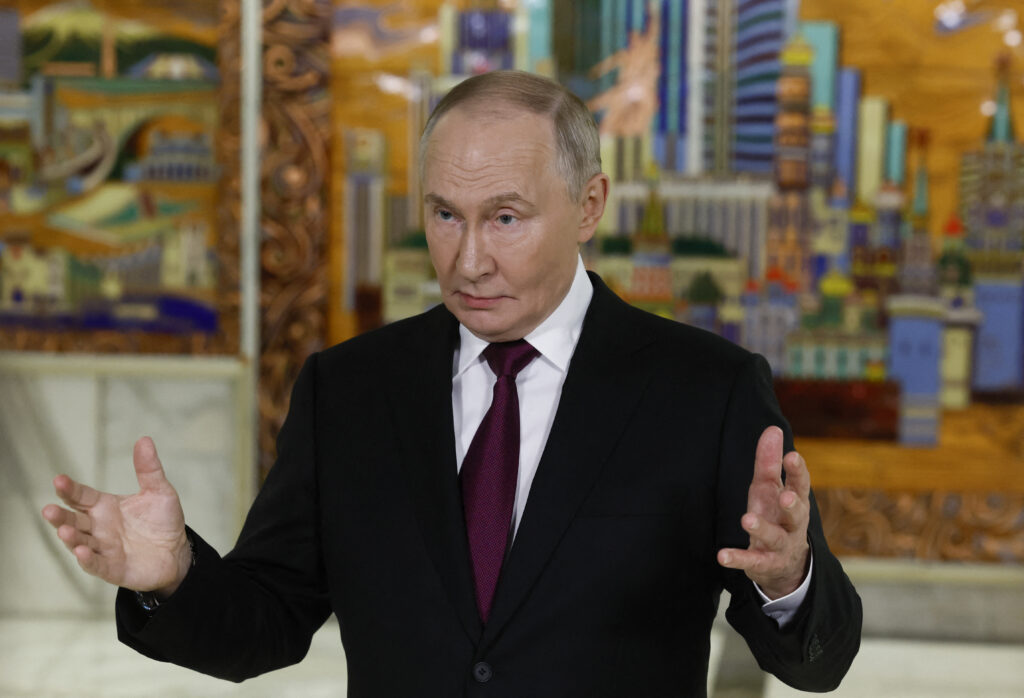
– U.S. Army Secretary Daniel Driscoll on November 20 presented Ukrainian President Volodymyr Zelensky with a version of the 28-point plan drafted by President Donald Trump’s special envoy Steve Witkoff with Russian envoy Kirill Dmitriev.
– The White House pressured Ukraine to accept the peace plan that would force major concessions to Russia, prompting President Zelensky on November 21 to warn the country faces “one of the most difficult moments in our history” and to resist agreeing without changes.
– On the same day, Russia welcomed the proposal as a basis for talks, Hungary voiced strong support, while major European powers began drafting a counterplan.
– During a television interview on November 23, German Chancellor Friedrich Merz warned that a controversial U.S. peace proposal for Ukraine poses a “deep threat” to Europe’s security and must not compromise Ukraine’s sovereignty. He added that negotiations are ongoing but Trump’s deadline of November 27 is unrealistic and any plan will require European leverage and broader international pressure, including from China.
– On November 24, four Democratic senators warned the Trump administration’s lax enforcement of sanctions on Russia’s Arctic LNG 2 project is allowing China to buy discounted LNG, providing Moscow billions in revenue for its war in Ukraine.
– President Trump on November 25 said negotiations over the Ukraine peace plan were progressing, backed away from his November 27 deadline, and confirmed his envoys would continue talks.
Associated News References:
“Witkoff Discusses Ukraine Plans With Key Putin Aide: Transcript,” Bloomberg, November 25
“Trump says no firm deadline for Ukraine, Russia to reach peace deal,” Reuters, November 25
“US senators say Trump has failed to prevent Russian LNG from helping fund war in Ukraine,” Reuters, November 24
“German chancellor: Ukraine’s sovereignty is nonnegotiable,” Deutsche Welle, November 23
“U.S. pushing Ukraine to sign peace deal by Thanksgiving or lose support,” Washington Post, November 21
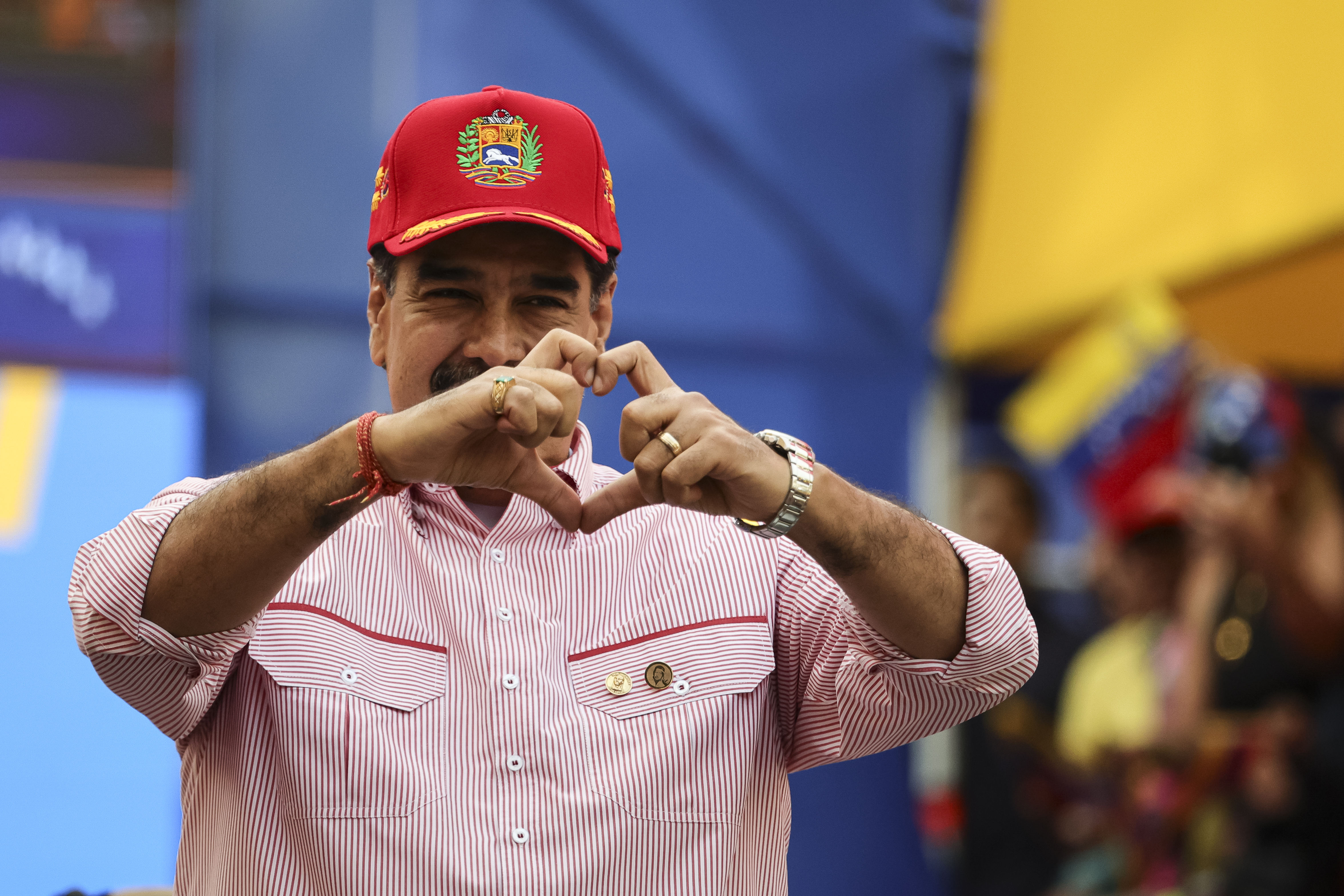
As of November 22, U.S. officials said the Trump administration is preparing a new phase of operations against Venezuela, likely beginning with covert actions aimed at pressuring or potentially overthrowing President Nicolás Maduro, all amid major U.S. military buildup in the Caribbean and international concern over recent American strikes labeled extrajudicial killings.
– On November 23, Venezuela publicized letters from Xi Jinping and Vladimir Putin offering strong political support for Nicolás Maduro as tensions with the United States escalate and Washington weighs new military or covert actions. Both leaders condemned foreign interference and backed Maduro’s claims of defending sovereignty.
– Venezuela is entering one of its most repressive periods in years as Maduro’s government intensifies targeted arrests, kidnappings, and harsh sentencing. Rights groups warn the shift from mass crackdowns to “surgical” detentions is aimed at dismantling opposition networks and suppressing dissent.
-On November 30, President Trump confirmed he had recently spoken by phone with Nicolás Maduro, warning about “closed” airspace and preparations for new operations in the Caribbean. The discussion also included a possible meeting even as Washington intensifies military pressure on Venezuela, signaling that back-channel engagement is continuing alongside escalating coercive measures.
– Venezuela condemned President Trump’s warning that the airspace above and around the country should be considered “closed,” calling it an illegal and colonial threat, as U.S. military deployments and boat strikes intensify tensions. The announcement triggered regional concern, congressional backlash in Washington, and new Venezuelan military exercises amid fears of escalating confrontation.
Associated News References:
“Trump confirms conversation with Venezuela’s Maduro,” Reuters, December 1
“Venezuela condemns Trump airspace closure warning,” BBC, November 30
“Trump Spoke by Phone Last Week With Maduro, Venezuela’s Leader,” The New York Times, November 28
“Maduro ramps up repression in Venezuela as he faces growing threats abroad,” CNN, November 28
“Venezuela Reveals Xi and Putin’s Letters to Maduro,” Newsweek, November 25
“Exclusive: US to launch new phase of Venezuela operations, sources say,” Reuters, November 23
– On November 21, reports indicated that the Trump administration is considering allowing Nvidia to sell its H200 AI chips to China, marking a potential softening of tech export controls following the recent Trump-Xi trade and tech truce. The review comes despite concerns in Washington that advanced chip sales could aid China’s military, while Nvidia argues current rules leave the Chinese market to foreign competitors.
– Premier Li Qiang told Italian leaders that China wants fair, non-discriminatory treatment for its investors, emphasizing continued openness and cooperation after his meeting with President Meloni at the G20. Italy signaled it also wants balanced trade and secure supply chains while maintaining dialogue with Beijing despite recent EU actions on Chinese EVs.
– The U.S. told EU officials on November 24 that it will only move forward with reducing steel and aluminum tariffs once the EU adopts more “balanced” digital regulations, linking tech-sector rules directly to progress on the July trade deal. Brussels is pushing for tariff cuts and exemptions, but Washington insists the EU must first lift its own duties on American imports.
– China has asked Malaysia and Cambodia to explain their recent U.S. trade agreements, signaling Beijing’s concern over Southeast Asian partners deepening ties with Washington amid intensifying U.S.-China rivalry.
– The U.S. extended tariff exclusions for a range of Chinese industrial & medical imports, equipment for solar manufacturing, and other industrial goods on November 26 as part of the recently announced trade truce, giving a one-year renewal on exclusions originally set to expire November 29.
– Nexperia on November 27 warned that its Dutch plant faces imminent auto-sector production stoppages because its China plant has not resumed normal chip exports after Beijing’s October export controls, prompting the Dutch company to publicly urge its Chinese unit to restore supplies. Wingtech blames The Hague’s earlier takeover for the disruption.
– On December 1, European firms warned that China’s tightened export controls and slow licensing are causing major production disruptions and accelerating supply-chain diversification, contradicting optimism following the Trump-Xi truce.
– On the next day, China issued its first batch of year-long “general licences” for rare earth exports to major magnet makers serving the auto industry, partially easing months-long supply disruptions and advancing a key commitment from the Trump-Xi summit.
Associated News References:
“China export controls push European firms to move supply chains,” Reuters, December 2
“China Demands Malaysia, Cambodia Clarify US Trade Deals,” Bloomberg, November 28
“Nexperia Urges China Unit to Restore Chip Flow Amid Fears of Supply Squeeze,” The Wall Street Journal, November 28
“US extends tariff exclusions on some Chinese industrial goods as part of trade truce,” Reuters, November 26
“EU to push US to honour trade deal by cutting steel tariffs,” Reuters, November 24
“China’s Li urges fair investor treatment in Italy,” Reuters, November 23
“US mulls letting Nvidia sell H200 chips to China, sources say,” Reuters, November 21
“Where is Yuanxin? Whereabouts of 6-year-old Chinese boy unknown after ICE detention” SCMP, December 3
“China Can Still Meet US Soybean Pledge, Traders Say,” Bloomberg, December 2
“Tesla’s China-made EV sales rise 9.9% in November,” Reuters, December 2
“China’s military reaching further, more frequently into Pacific, says Australia,” Reuters, December 2
“Trump’s NASA pick to tell Congress about moon race with China, deep-space ambition,” Reuters, December 2
“From space follower to first responder: how China pulled off the Shenzhou rescue mission,” South China Morning Post, December 2
“Yuan Heads for Best Year Since 2020, Defying Trade Strains,” Bloomberg, December 1
“China says armed attack on Tajik-Afghan border kills three of its nationals,” Reuters, November 28
“Taiwan’s Lai Vows Extra 40 Billion for Defense Against China,” Bloomberg, November 26
“Bessent Says Trump and Xi May Meet Four Times Next Year,” Bloomberg, November 25
“’Return’ to China not an option for Taiwan’s people, premier says responding to Xi,” Reuters, November 25
“Stocks get boost from rising chances of Fed cut; dollar steady,” Reuters, November 25
“US, China held maritime security talks in Hawaii, Chinese navy says,” Reuters, November 22
“Panamanian lawmakers’ Taiwan trip sparks diplomatic row with China,” ABC News, November 19
China’s Fifteenth Five-Year Plan: Stability, Modernization, and the Strategic Logic Behind Its Domestic Priorities
By Yilun Zhang
December 1, 2025
On October 28, 2025, right before Chinese President Xi Jinping headed to Busan for the meeting with the U.S. President Donald Trump, China officially unveiled its Fifteenth Five-Year Plan (2026–2030), setting the strategic direction for the country’s development through the end of the decade. More than a technical planning document, the new Plan is fundamentally about China’s domestic priorities—and about how these internal imperatives will shape the next phase of U.S.–China strategic competition. At first glance, the Plan offers a familiar message: steady growth, industrial upgrading, self-reliance, and “high-quality development.” But beneath this continuity lies a deeper structural logic shaped by three pressures…
On Thursday, November 27, 2025, Senior Fellow Sourabh Gupta was interviewed by World Insight: CGTN on the Xi-Trump call over Taiwan and Takaichi’s remarks.
On Monday, November 24, 2025, Senior Fellow Sourabh Gupta was interviewed by The Heat: CGTN America on G20’s leaders’ Summit outcomes.
On Friday, November 21, 2025, Senior Fellow Sourabh Gupta was quoted by South China Morning Post on China’s K Visa policy.