
Cover Image Source: Official White House Photo by Daniel Torok
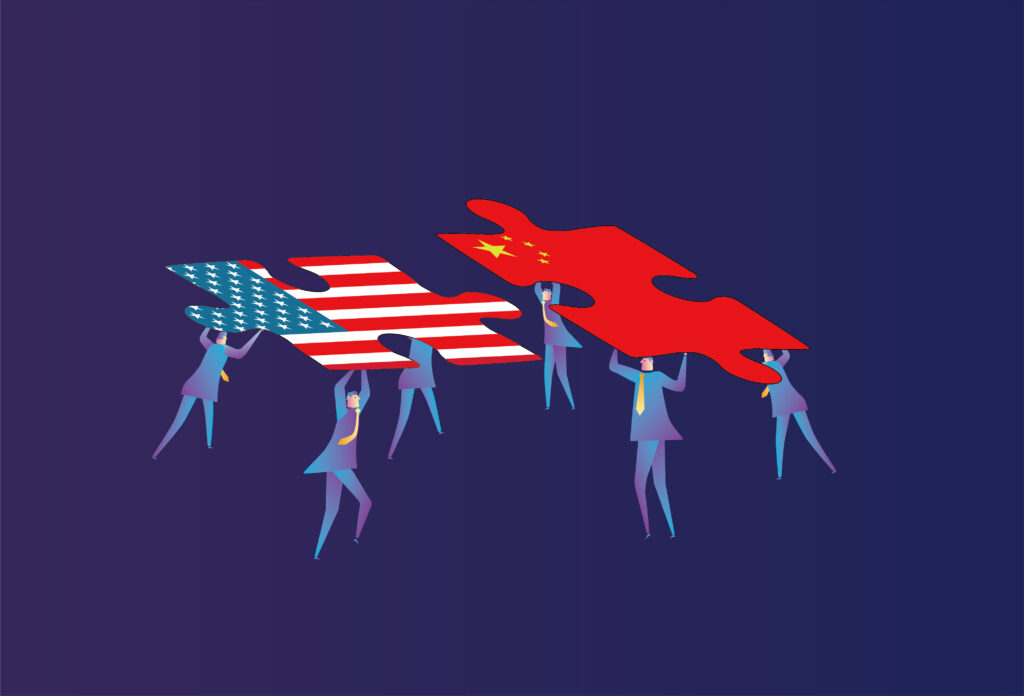
China and the United States stand on the cusp of a historic achievement. When President Xi receives his ceremonial welcome on September 24th – the first visit by a Chinese president to the White House in over a decade, it will also mark the first time in the history of the bilateral relationship that their leaders have exchanged visits in the same year. That presidents Xi and Trump are slated to meet at the APEC and G20 leaders’ summits as well, to be held in Shenzhen and Miami respectively, means that 2026 provides an opportunity like no other to lock down the delicate stability in China-U.S. ties and forge a clear-eyed but coexistent relationship of ‘constructive strategic stability based on fairness and reciprocity’.
The two presidents must grasp the opportunity with both hands.
In Washington, on September 24th, their first order of business must be two-fold. First, to renew their Joint Arrangement on Economics and Trade that was struck up in Busan last year, and which expires later this November. The arrangement is vital as a stay on major export controls and suspension of additional tariffs by both sides in exchange for business-as-usual flows of critical minerals. Second, the two presidents must populate their Board of Trade with non-sensitive items, including agricultural items that will reciprocally face low or no tariffs as well as eliminate non-tariff barriers, and begin implementing their commitments without delay.
Next, the two presidents should prioritize a meaningful announcement on their Board of Investment. Its purpose must be to compartmentalize and regulate competition in areas of mutual gain, such as selective industrial investment and public health, that can be leveraged as stabilizing ballast. President Xi should highlight the role that Chinese firms could play in building out the U.S’ industrial expansion as well as point out that blacklisting Chinese investment and knowhow will not somehow make the U.S.’ hard-pressed industrial realities vanish.
The unique presence of recognizable brand-name Chinese CEOs in the president’s delegation is an important soft power coup, furthermore. It sends an unmistakable signal that China is open for business and that much like America, China too values its titans of industry and entrepreneurial private sector stars. Hopefully, their presence will also open the door to greater deal-making during the visit.
Third, the two presidents must grapple with the promise and perils of artificial intelligence (AI). They should put their heads together to begin setting the outlines of a broad, norms-based framework for AI safety that covers nuclear, biological and cybersecurity risks, the possible malicious repurposing and misuse of open weight models, as well as the management and oversight of the development of artificial superintelligence. With Shenzhen – the ‘miracle city’ that stands at the nexus of manufacturing and digitization – playing host to APEC this November, the conversation and outcomes on AI in the White House could be deepened and plurilateralized under a broader regional umbrella.
Fourth, stabilizing bilateral ties and cordial heads-of-state relations has historically been a propellant for deeper institutionalization of defense-security ties and mil-mil exchanges. The two sides should agree to establish hotlines at the theater commanders’ level to reduce misperceptions and enhance crisis management communications. They should also initiate an arms control dialogue with a view to launching a tripolar framework with Moscow for exchanges on global strategic stability. Nuclear testing, transparency, risk reduction, force-sizing as well as the means of delivery should all be placed on the discussion table. Space-based systems must be part of the conversation too.
Fifth, President Xi should obtain assurances from President Trump of continued careful management of the Taiwan issue as well as a gradual reversal, over time, of the unsatisfactory direction of travel of the U.S.’ ‘One China’ policy. He should invite the American president to throw his backing behind the 1992 Consensus. Supporting a dialogue framework that stands to facilitate communication and re-engagement across the strait is compatible with the U.S.’ policy position that it does not use the Taiwan card to contain China and takes no issue with efforts to peacefully resolve the decades-old dispute.
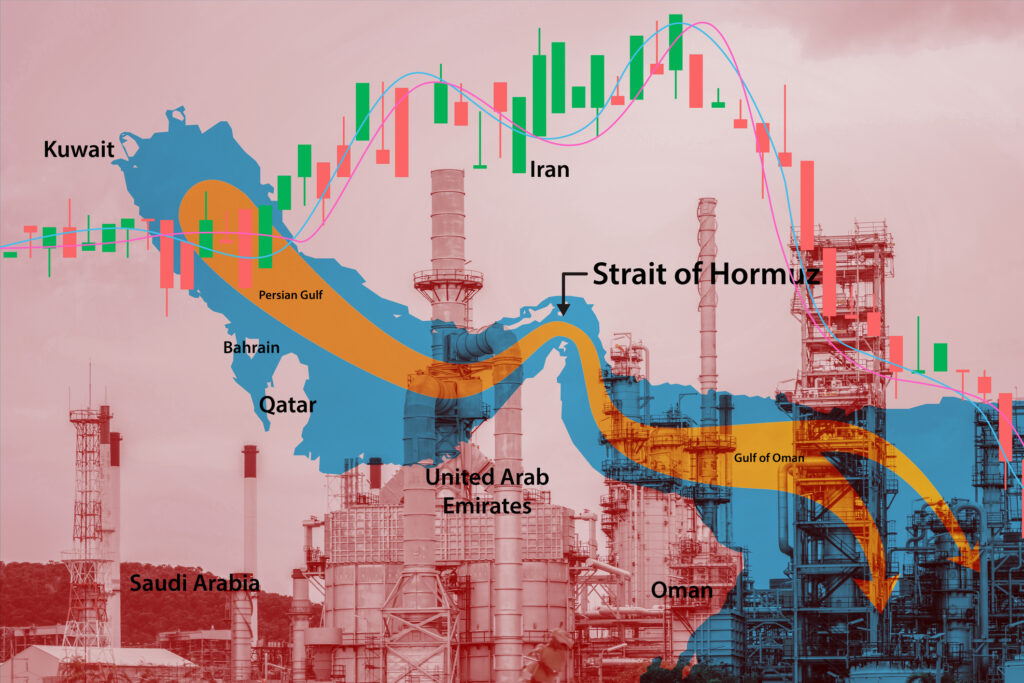
Finally, the two presidents should flesh out common ground on Iran as well as restart contacts on the Korean Peninsula, both to lower the temperature on pressing global hotspot issues as well as to inject stability and reciprocity within their major country relationship. Both sides, after all, agree that Iran must not be allowed to possess a nuclear weapon and that navigational freedoms must be restored to the Hormuz Strait. And much like President Xi had facilitated their meeting in Hanoi in February 2019, a further Trump-Kim Jong un meeting during the American president’s APEC swing through Asia could serve as a first step towards restarting a ‘freeze-for-freeze’ arrangement (pausing of nuclear development and missile tests by Pyongyang in exchange for a halt or scaling back of joint military exercises by Washington and Seoul) on the peninsula.
U.S.-China relations are suitably anchored in the short-term, thanks to the hard work of the two presidents and their teams over the past twelve months. In Washington, both sides should now broaden their horizons and endeavor to frame the competitive tendencies of their relationship within a more cooperative – if not win-win – framing that could hold them in good stead through the rest of the Trump presidency. The importance of their relationship to Asia and the world demands no less.

The Missing Capital and Investment Dimension in U.S.-China Economic Stabilization