
ICAS Bulletin (online ISSN 2836-3418, print ISSN 2836-340X) is published every other week throughout the year at 1919 M St NW, Suite 310, Washington, DC 20036.
The online version of ICAS Bulletin can be found at chinaus-icas.org/bulletins/.
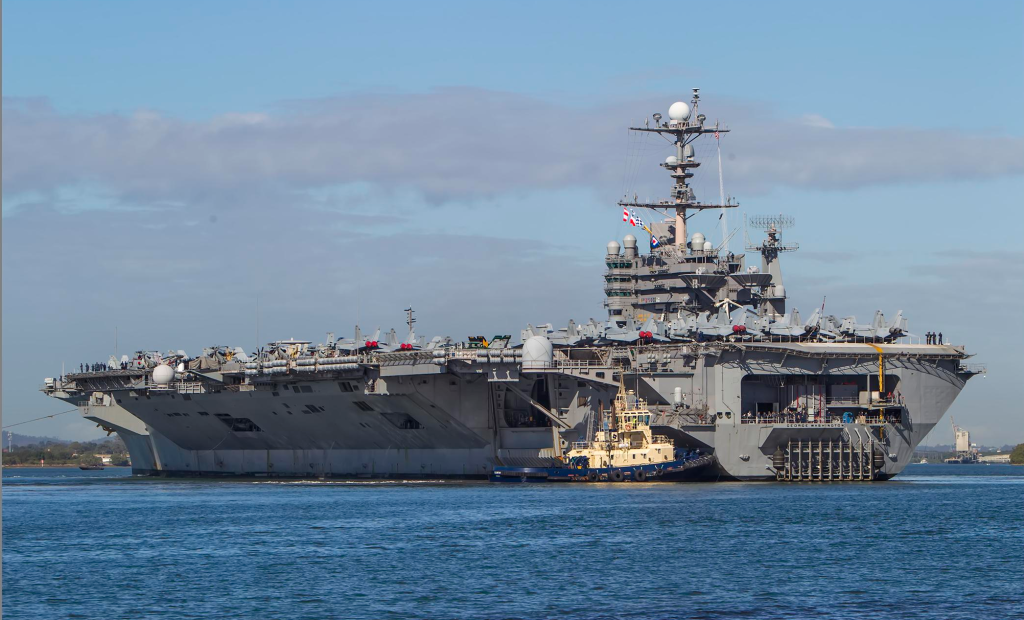
– On August 15, the USS George Washington, the United State’s last remaining aircraft carrier in the Pacific, departed the region to replace the USS Abraham Lincoln in the Middle East as the Trump administration’s war against Iran continues to draw resources away from Asia.
– On August 16, President Trump instructed the Pentagon to “substantially reduce” joint military exercises with South Korea, citing their cost and Seoul’s refusal to join U.S. action against Iran. President Trump also stated on Truth Social that the exercises send “hostile” signals to North Korea, whose leader he has a “very good relationship with”.
– On August 18, the Pentagon announced to end the annual Ulchi Freedom Shield drills six days early on August 21.
– North Korea dismissed the move as an empty gesture, with Kim Yo Jong, sister of Kim Jong Un, saying on August 19 that “the U.S.’s hostile policy remains unchanged”. However, she noted that the relationship between Trump and Kim Jong Un remains “excellent”.
– On the following day, North Korea launched roughly 10 short-range ballistic missiles towards the sea east of the Korean Peninsula.
– Coincided with these developments, Chinese Foreign Minister Wang Yi started his visit to South Korea on August 19. Talking with his counterpart Cho Hyun, Wang Yi urged Washington to change its “hostile policy” toward North Korea.
– Meeting President Lee Jae Myung the following day, Wang Yi urged South Korea to pursue “genuine strategic autonomy” and avoid “taking sides”.
– On August 14, the U.S. sent a coast guard team to conduct a two-week training program with their Taiwan counterparts.
– Taiwan has deepened defense technology cooperation with the U.S. defense start-up Vatn Systems to expand the island’s underwater capabilities. The partnership includes jointly exploring AI-enabled command-and-control systems, deploying autonomous underwater vehicles, and establishing supply-chains in Taiwan.
– On August 21, China and Indonesia agreed to deepen defense, maritime, and technology cooperation with the two countries’ defense ministers planning to expand military personnel exchanges, while the foreign ministers launched the first Indonesia-China Comprehensive Strategic Dialogue and discussed a five-year action plan. Having established a defense partnership with the U.S. in April, the closer ties with China come as Indonesia seeks to balance relations with both Washington and Beijing.
Associated News References:
“US Team Sent to Taiwan to Train Coastguards Amid Surge in Mainland Chinese Activity,” South China Morning Post, August 14
“US Pulls Last Aircraft Carrier in Asia as Trump Focuses on Iran and the Western Hemisphere, ” AP News, August 15
“Trump Says US Will Reduce Joint Military Exercises With Key Ally South Korea,” CNN, August 16
“Taiwan Teams Up With US Start-Up On Underwater Drones To Boost Island’s Defences,” South China Morning Post, August 17
“U.S. Cuts Back Military Drills With South Korea, as Trump Woos Kim Jong-un,” The New York Times, August 18
“North Korea Shrugs off Trump’s Scaled-Back Drills With South Korea,” AP News, August 19
“China’s Wang Yi in South Korea for Talks Amid Trump Push to Revive North Korea Diplomacy,” Reuters, August 19
“China’s Top Diplomat Wang Yi Calls on US to Change ‘Hostile Policy’ on North Korea,” South China Morning Post, August 20
“North Korea Fires 10 Missiles Day After Trump Curtails South Korea Joint Drills,” The Guardian, August 20
“Trump Threatens Economic Pain for Countries That Help Iran,” The New York Times, August 20
“China, Indonesia Agree on Closer Defense Ties in High-Level Talks in Jakarta,” Bloomberg, August 21
“China ‘Actively Committed’ to Iran Talks With Tensions Rising,” Bloomberg, August 23
“Trump Admin Unveils Anti-Iran Global Sanctions Plan, Signals China not Exempt,” CNBC, August 24
“China Threatens Trump with Retaliation over Iran Sanctions,” The Telegraph, August 25
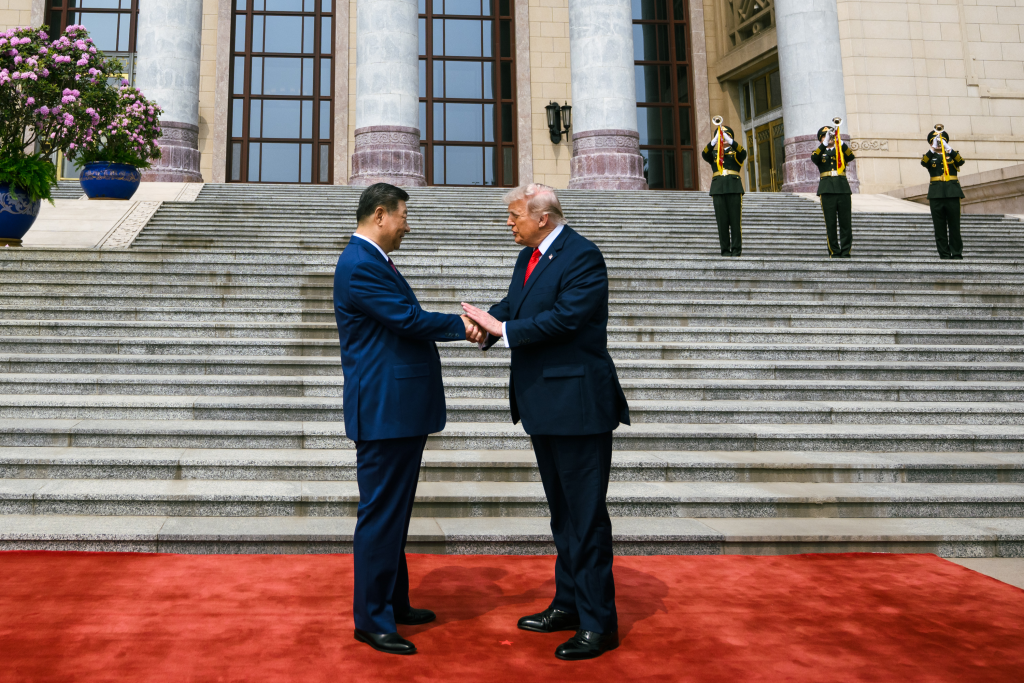
– On August 13, the Trump administration accused Chinese exporters of systematically routing goods through more than 40 third countries to evade U.S. tariffs, labeling the practice the “Great Transshipment Scam”. In response, China rejected the claim and warned against measures targeting Chinese interests through third country deals.
– Ahead of the September Xi visit, the U.S.-China Board of Investment has made little progress. Meanwhile, the Board of Trade, another key outcome of the May Trump-Xi meeting, has seen intensified negotiations towards non-sensitive products eligible for a USD 30 billion tariff-free trade.
– On August 15, reports say that Beijing is growing frustrated over disorganized U.S. preparations for the September Xi state visit, as the only concrete item on the agenda is the roughly USD 30 billion tariff reduction on Chinese goods.
– On August 18, Trump reportedly considered Canada’s deal to avert 50% U.S. tariffs on Canadian goods that would go into effect on August 19.
– On August 19, the two countries were nearing a trade deal that would halve tariffs on certain Canadian steel and aluminum exports to 25% and reduce Canadian auto duties to 15%. However, the negotiations collapsed at the last minute, triggering 50% U.S. tariffs on roughly USD 20 billion of Canadian goods and prompting Canada to pledge dollar-for-dollar retaliation.
– It was reported on August 23 that even close U.S. allies are increasingly resisting Washington’s unilateral trade pressure.
– On August 24, the U.S. is reported to consider a new 7.5% tariff on Chinese goods over alleged industrial overcapacity. Combined with the 12.5% tariff imposed in July over forced-labor concerns, the move would bring total additional tariffs on China to roughly 20%, the ceiling Beijing says Washington agreed to for the trade truce.
Associated News References:
“US Accuses Chinese Exporters of Masterminding ‘Great Transshipment Scam’,” South China Morning Post, August 13
“Exclusive | US-China ‘Board of Investment’ Stalls Before Expected Trump-Xi Meeting,” South China Morning Post, August 13
“China Rattled by Trump White House Chaos Weeks Ahead of Xi Visit. It Has Happened Before”, South China Morning Post, August 15
“Trump is Weighing Whether to Grant Canada a Tariff Reprieve,” POLITICO, August 18
“US Set to Cut Tariffs on Canada Metals, Autos in Trade Deal,” Bloomberg, August 19
“US Hits Canada With 50% Tariffs as Carney Vows to Retaliate – Bloomberg,” Bloomberg, August 21
“Canada Launches a ‘Chinese-Styled Counterattack’ – a Heavy Blow: Global Times Editorial,” Global Times, August 23
“US Eyes China Overcapacity Tariffs of 7.5% Before Xi-Trump Talks,” Bloomberg, August 24
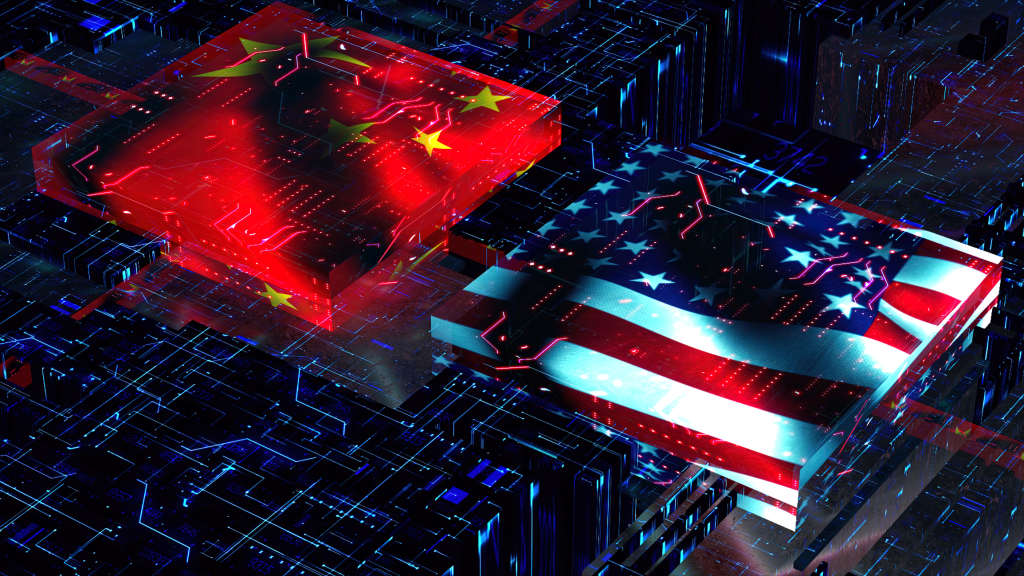
– On August 13, the Trump administration announced tariffs of up to 100% on imported drones and components. Lower rates apply to trading partners including the EU, Japan, Switzerland, and Taiwan.
– On August 14, it was reported that the U.S. is preparing to tell countries they must pick sides in the AI race with China, warning signatories of a June “AI Opportunity Statement” that membership in Washington’s Pax Silica framework cannot be combined with Beijing’s competing initiative.
– On the same day, Commerce Secretary Howard Lutnick said the Trump administration did not want Apple to purchase memory chips from Chinese manufacturers CXMT and Yangtze Memory Technologies.
– On August 19, it was reported that Chinese firms including ByteDance, Alibaba, and Tencent have been accessing Nvidia’s most advanced chips through cloud centers in Southeast Asian countries like Thailand and Malaysia, prompting U.S. legislation to close the gap.
– Also on August 19, it was reported that Washington and Beijing have yet to settle the venue, participants, or scope of their planned AI dialogue.
– On August 22, Nvidia struck a USD 6 billion dollar deal to license technology from AI startup Poolside, aiming to build one of the world’s most powerful open-weight AI models to compete with Chinese rivals like DeepSeek and Kimi K3.
– On August 24, U.S. Assistant Secretary of State Juan Pablo Segura warned Latin American countries of security risks posed by Chinese technology firms.
– In response, Chinese Foreign Ministry spokesperson Lin Jian rejected the allegations as “blatant techno-bullying”, accusing Washington of engaging in intelligence activities in the regions, and calling on the U.S. to stop “interfering with sovereign nations’ right to independently choose cooperation partners”.
Associated News References:
“Chinese AI Upstart Manus Charts Solo Path After Meta Split,” Bloomberg, August 12
“Trump’s 100% Tariff on Drones Deepens US-China Tech Decoupling,” Bloomberg, August 13
“US to Tell Partners They Must Pick Sides in AI Race With China,” Reuters, August 14
“U.S. Urges Apple Not to Buy Chinese Memory Chips,” Wall Street Journal, August 14
“The U.S. Banned Nvidia’s Best Chips From Going to China. Now it’s Trying to Close a Crucial Loophole,” CNBC, August 19
“Exclusive | As Xi’s US Visit Approaches, Basic Details Of Planned AI Talks Remain Uncertain,” South China Morning Post, August 19
“Nvidia Is Spending $6 Billion to Build a Powerful U.S. Alternative to Chinese AI,” Wall Street Journal, August 22
“US, China Diplomats Clash Over Tech Spying and Trade Hub Claims in Latin America,” South China Morning Post, August 24
“China Refutes U.S. Allegations Aimed at Chinese Tech Firms: Spokesperson,” Xinhua, August 24
“Professor’s Alleged Role in China Programs Leads to Ban From US Funding,” Bloomberg, August 13
“In Focus | Why the Arctic Sea Route has Become so Important for China and Russia,” South China Morning Post, August 17
“China’s Economy Slows as Industrial Output, Retail Sales Miss Forecasts,” Bloomberg, August 17
“Pentagon Orders Audit of 30 Universities’ Partnerships with Foreign Institutions,” AP News, August 18
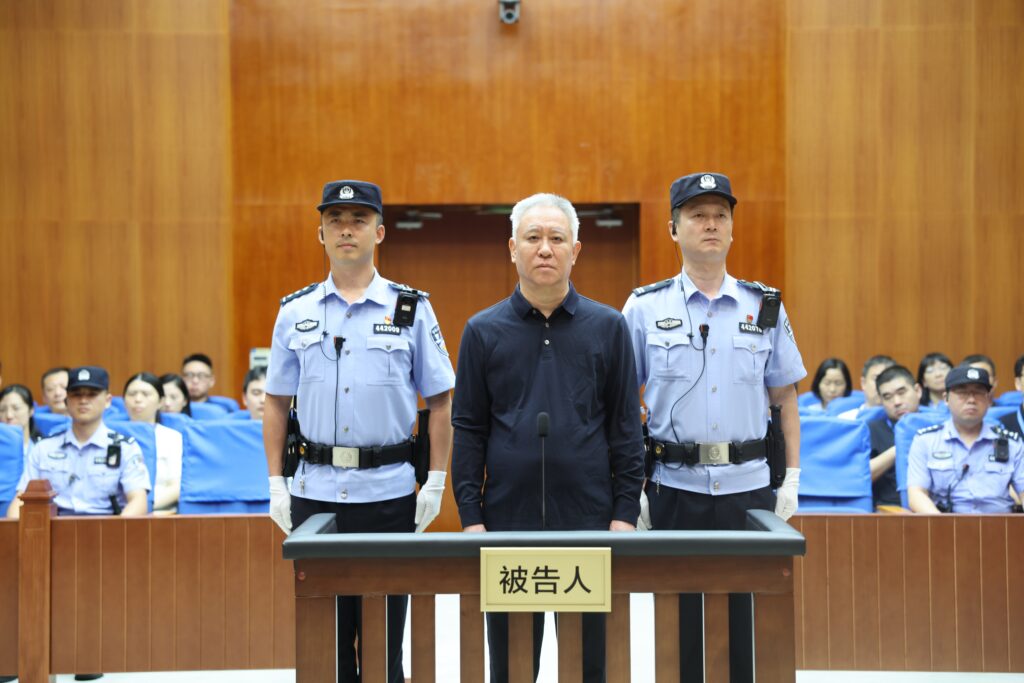
“Founder of Collapsed Chinese Property Giant Evergrande Sentenced to Life in Prison,” BBC, August 19
“State Dept. Declares U.S. Citizen in China Wrongfully Detained,” The New York Times, August 20
“Swiss and Chinese reach agreement on updated free trade deal,” Reuters, August 20
“A Chinese Robot Beat Usain Bolt’s 100-Meter Record. Should We Be Impressed?,” The New York Times, August 24
“What are the New US Economic Sanctions on Iran and its Trade Partners?,” Reuters, August 25
“US Building Twice as Much Gas-Fired Capacity as China in AI Boom, Analysis Finds,” The Guardian, August 26
“‘Massive Casualties’ After Flash Floods, Landslide Strike China-Nepal Border,” South China Morning Post, August 26
“China Targets Hi-Tech Pillars by 2030 to Fuel Economic Growth,” South China Morning Post, August 26
“Exclusive: China’s Moonshot in Talks with Microsoft, Amazon, Google over K3 Revenue Sharing, Sources Say,” Reuters, August 26
Two themes stood out in Washington’s China policy discussions over the past week. The first centered on China’s open-weight AI strategy and what it means for global technology governance. Some argued that Washington is fighting the wrong battle: slow U.S. adoption stems from institutions failing to reorganize around AI, not insufficient export controls, and restricting American models abroad only pushes more users toward Chinese alternatives. Others focused on the strain this strategy puts on Chinese developers themselves, noting that fierce price competition among nearly 1,000 domestic large language models is forcing firms to experiment with new pricing and revenue-sharing structures just to stay afloat. These dynamics suggest that the U.S.-China AI race may turn less on which country builds the more capable model, but on which country’s institutions and firms can support sustainable adoption and monetization. The second theme focused on growing anxiety among U.S. allies in the Indo-Pacific following Washington’s abrupt scaling back of military exercises with South Korea. Analysts characterized the move as part of a broader pattern eroding regional confidence in U.S. security commitments, noting that it hands China further opportunity to position itself as the more reliable partner.
September 8 hosted by CSIS
September 8 hosted by Atlantic Council
September 9 hosted by CFR Education
September 10 hosted by PIIE
September 11 hosted by Johns Hopkins SAIS ACF
Before Exploitation Begins: What the NORI and TOML Orders Mean for ISA Accountability
By Nong Hong
August 21, 2026
On 18 July 2026, the Seabed Disputes Chamber of the International Tribunal for the Law of the Sea issued orders on requests for provisional measures submitted by Nauru Ocean Resources Inc. (NORI) and Tonga Offshore Mining Ltd. (TOML) in their respective proceedings against the International Seabed Authority (ISA). The Chamber did not suspend the ISA’s ongoing inquiry into possible contractor non-compliance. It nevertheless prescribed procedural safeguards governing how the inquiry must be conducted. The orders thus preserve the ISA’s supervisory role while making clear that the exercise of that authority is subject to judicial scrutiny where procedural fairness is at stake.
A Congress Reacting to an Executive-Led U.S.-China Relationship
By Yilun Zhang and Youngseo Kim
August 19, 2026
During much of the past decade, Congress frequently played an agenda-setting role in U.S.-China strategic competition, identifying emerging risks and pressing successive administrations toward new restrictions, safeguards, and policy frameworks. In the first half of 2026, that role became noticeably more reactive as the Trump administration increasingly set the pace and parameters of U.S.-China policy.
Congressional attention to China remained substantial. Members of the 119th Congress introduced 67 pieces of China-related legislation between January and June 2026, with technology, Taiwan, supply chains, security, and geopolitics accounting for much of the activity. The volume of legislation, however, contrasts with the limited number of bills that made substantial progress toward enactment.
The Blind Spot: Coupang, Shipbuilding, and a Misread Alliance
By Youngseo Kim
August 13, 2026
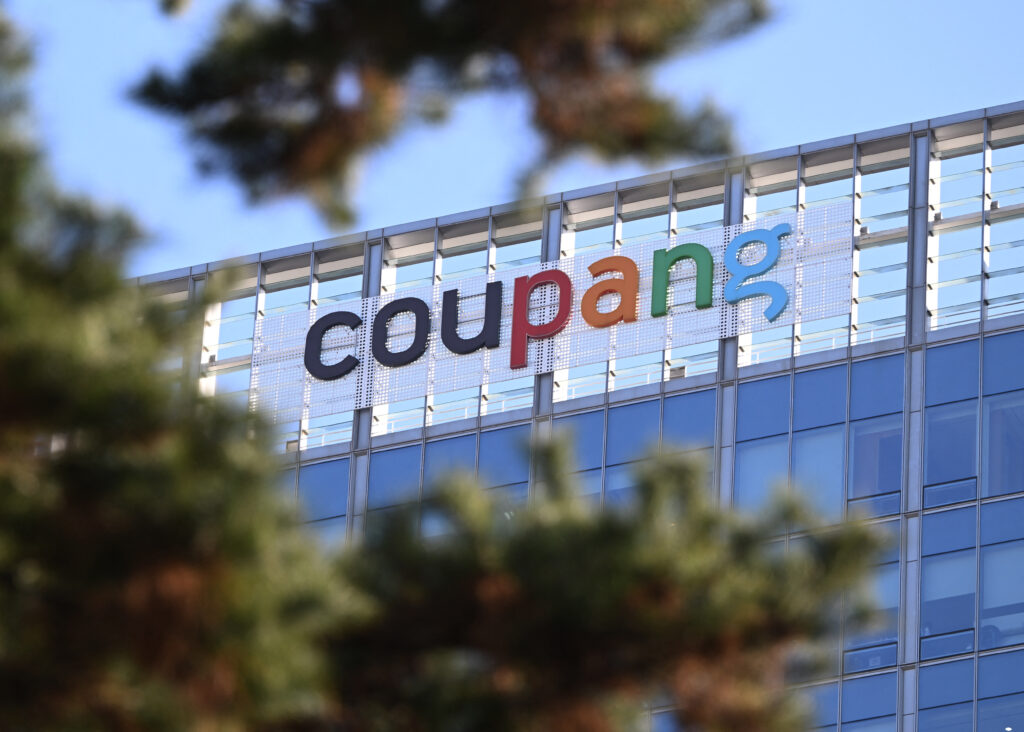
In July 2026, two seemingly unrelated events in Washington told the same story twice. The House Judiciary Committee released a staff report describing a “whole-of-government assault” on Coupang, a U.S.-incorporated e-commerce company, while the House Armed Services Committee advanced an amendment barring federal funding for warships built in the Korean shipyards Washington had spent a year courting.
The two disputes are mirror images of a single structure. Korea’s enforcement against Coupang follows from Korean domestic politics, its chaebol-regulation tradition and privacy-law enforcement; the stalling of shipbuilding cooperation follows from American domestic politics, district-level shipyard jobs and appropriations rules. Each government is serving its own constituency rather than a shared alliance objective.
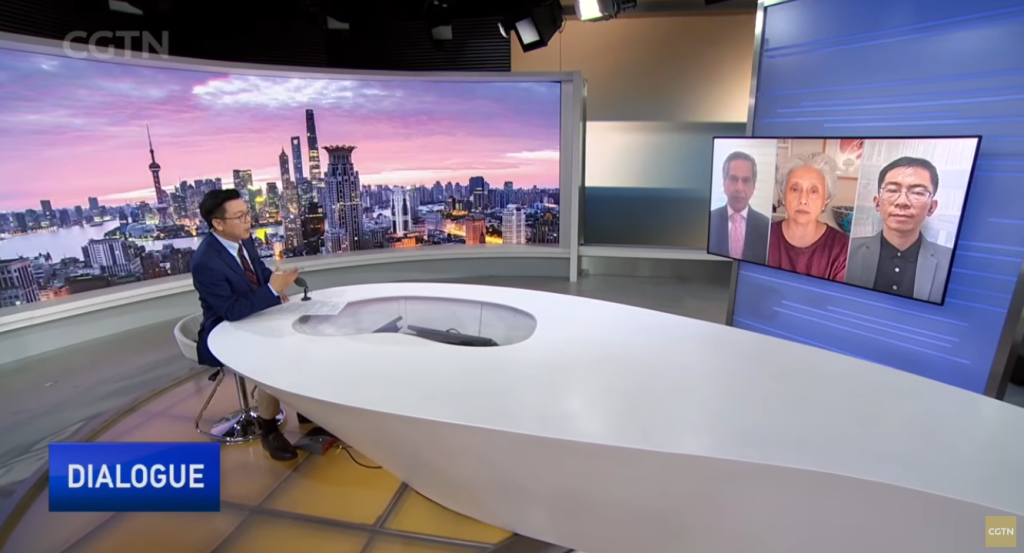
On Thursday, August 20, 2026, Senior Fellow Sourabh Gupta was interviewed by CGTN’s Dialogue on the resurgence of the “China shock” narrative and Western accusations of Chinese industrial overcapacity.
On Thursday, August 20, 2026, Sourabh Gupta was quoted by South China Morning Post on Elbridge Colby’s remarks dismissing “middle power” alliances and their implications for U.S.-China strategic competition.
On Wednesday, August 19, 2026, Sourabh Gupta, was quoted by South China Morning Post on whether FCC restrictions on Chinese technology risk destabilizing the U.S.-China trade truce ahead of the Xi-Trump summit.
On Thursday, August 13, 2026, Sourabh Gupta was quoted by South China Morning Post on new U.S. restrictions on scientific collaboration with Chinese institutions ahead of the Xi-Trump summit.