
ICAS Bulletin (online ISSN 2836-3418, print ISSN 2836-340X) is published every other week throughout the year at 1919 M St NW, Suite 310, Washington, DC 20036.
The online version of ICAS Bulletin can be found at chinaus-icas.org/bulletins/.
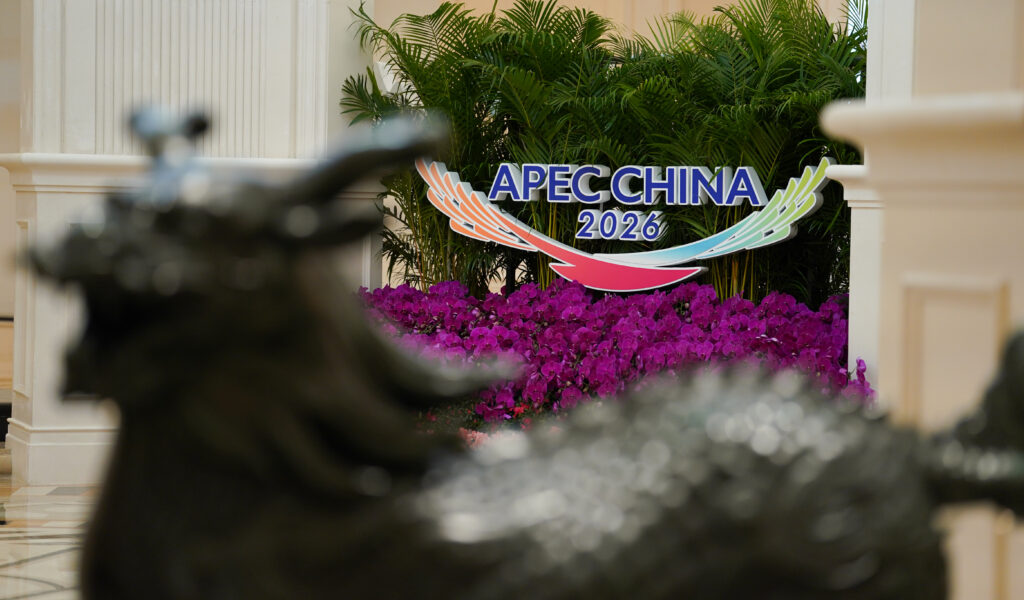
– The 2026 Asia-Pacific Economic Cooperation (APEC) Summit is being hosted by President Xi Jinping in Shenzhen, China from November 18-19, with expected attendance from President Trump, Vladimir Putin and Sanae Takaichi, among other prominent politicians and business executives.
– On November 18, President Xi Jinping greeted President Donald Trump at the Shenzhen airport with a cheek-to-cheek hug and will have a more formal summit on the next day.
– Also on November 18, President Xi welcomed Russian President Vladimir Putin where the two leaders jointly criticized Western sanctions and pledged to stand up against trade protectionism.
– On November 16, China confirmed President Xi’s attendance to a historic trilateral meeting with Vladimir Putin and President Trump in Shenzhen on November 19, following Putin’s proposal of the meeting in October.
– President Trump expects to discuss decreasing nuclear arms and recent global nuclear proliferation during the trilateral meeting, while Putin has emphasized his expectation of discussing the war in Ukraine. Beijing has yet to announce an official meeting itinerary.
– President Xi and President Trump are expected to have a bilateral meeting on November 19 at the APEC Summit, marking the third meeting between the two presidents this year.
– From November 15-17 the 49th Association of Southeast Asian Nations (ASEAN) Summit was hosted in Manila, Philippines with representatives from all 11 ASEAN member nations present, with additional guest members including President Trump.
– Chinese Premier Li Qiang attended the ASEAN Summit advocating for deeper China-ASEAN cooperation on AI, securing the China-ASEAN Free Trade Area 3.0 Upgrade Protocol to take effect on December 1.
Associated News References:
“What is APEC and who will be there?,” Reuters, November 12
“China confirms Xi-Trump-Putin historic summit. What will be on the agenda?,” CNBC, November 15
“Xi, Trump and Putin to discuss ‘world peace’ at trilateral, says China,” The Guardian, November 16
“Canada and China extend trade deals as Xi meets Carney ahead of APEC summit,” Reuters, November 16
“China’s upgraded trade pact with Asean to take effect on December 1 – as it happened,” SCMP, November 16
“Trump Wasn’t Just Late to a Southeast Asia Summit. He Was Really Late,” The New York Times, November 17
“Xi says China-Vietnam top-level exchanges inject positive energy into regional peace, development,” CGTN, November 17
“Mexico keen to strengthen cooperation with China, president says,” Reuters, November 17
“Xi urges China-Chile cooperation in AI, polar and deep-sea exploration,” Reuters, November 17
“Peru appeals for Chinese ‘goodwill’ to help it face El Niño,” Reuters, November 17
“Xi, Putin blast Western ‘protectionism’ and sanctions as Trump lands in China,” Reuters, November 17
“Xi Welcomes Trump in Show of US-China Warmth and Cooperation,” Bloomberg, November 18
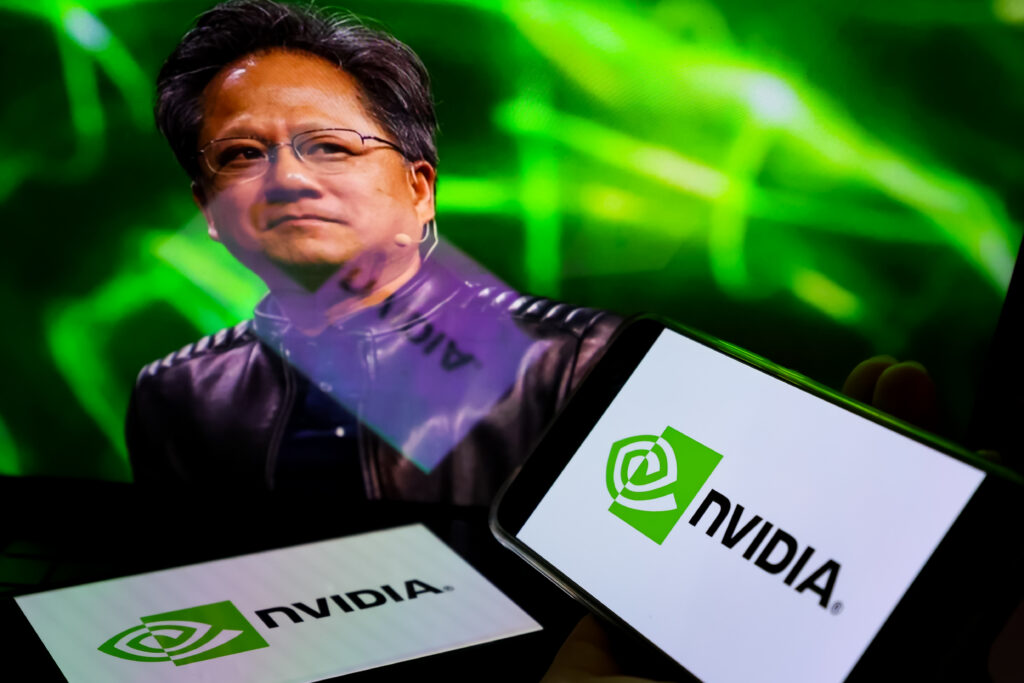
– On November 8, Nvidia CEO Jensen Huang admitted to an extramarital affair with Alice Huang, a former executive at Megaspeed whom several U.S. intelligence authorities allege works for China’s Ministry of State Security to gather information for Beijing.
– China’s Foreign Ministry Spokesperson Guo Jiakun responded in a press conference on November 9 regarding Alice Huang’s alleged surveillance, saying the claims are unsubstantiable directed at “smearing China”.
– Jensen Huang resigned as President, CEO, and member of the Board of Nvidia on November 12, with CFO Colette Kress agreeing to serve as interim CEO while the company continues to search for Huang’s permanent successor.
– On November 18, Jensen Huang is expected to appear for a Congressional investigation of the alleged national security risk his relationship with Alice Huang poses at the request of three Republican House committee chairs; Democratic lawmakers are separately calling for investigation.
– A high-security memo was issued from a U.S. intelligence office to the White House in March regarding Jensen Huang’s affair, after which U.S. Secretary of State Marco Rubio drafted an additional memo reemphasizing his concern of the relationship to U.S. national security, personally pushing for more serious concern.
– Reporting on November 16 finds that President Trump’s investment in Nvidia stocks has increased this year to between $13 million and $62 million as of the end of August, a dramatic increase from his $615,000 to $1.3 million share at the end of 2024.
Associated News References:
“U.S. Cleared Nvidia Chips to Chinese Firms With Empty Offices and Troubling Ties,” The New York Times, November 7
“Nvidia CEO Jensen Huang faces bipartisan congressional scrutiny over reported China spy link,” CNBC, November 8
“Rubio Warned Officials About Nvidia Chief’s Entanglement With Chinese Spy,” The New York Times, November 8
“Foreign Ministry Spokesperson Guo Jiakun’s Regular Press Conference on November 9, 2026,” Consulate-General of the People’s Republic of China in Cebu, November 9
“NVIDIA Announces CEO Transition,” NVIDIA, November 12
“Behind Jensen Huang’s spy scandal, a shadow war for Trump’s ear on China,” The Washington Post, November 13
“Trump’s stake in Nvidia grew to as much as $62 million before scandal broke out,” The Washington Post, November 16
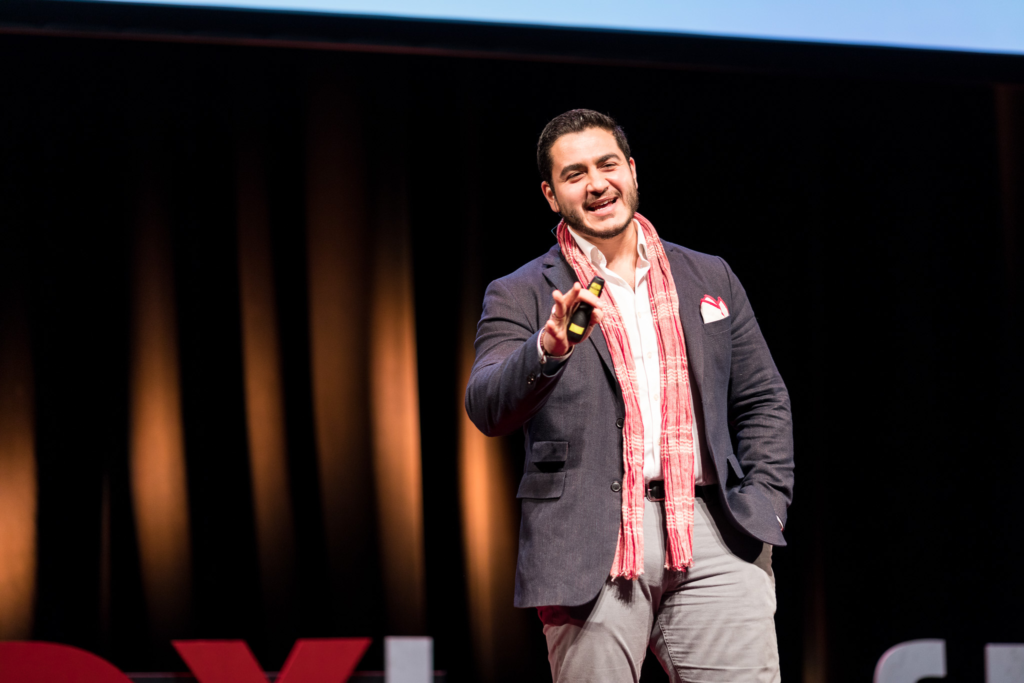
– On November 1 Michigan U.S. Senator-elect Abdul El-Sayed appeared on 60 Minutes calling for a full pause on AI development, citing that Chinese AI models are largely replicated from American models and the U.S. has no need to fear Chinese AI development taking over the market.
– Oracle canceled a $7 billion chip leasing contract with China’s Tencent on November 4 due to pressure by the Trump administration amidst tightened U.S. export control. The deal would have given Tencent access to 100,000 advanced AI chips previously not available in China.
– A November investigation shows that the U.S. Commerce Department’s Bureau of Industry and Security (BIS) approved entities list for Nvidia’s H200 chips to China has expanded to roughly two dozen Chinese firms, increasing from 10 Chinese firms in May.
– On November 6, Chinese Vice Premier He Lifeng and U.S. Treasury Secretary Scott Bessent held a video call planning President Xi and President Trump’s upcoming meeting in Shenzhen and addressing the recently renewed Busan arrangement, including AI chips.
– On November 16, the Commerce Department’s Bureau of Industry and Security released an interim final rule addressing remote access to advanced semiconductors, ensuring U.S. technology can not be circumvented through remote commuting at data centers in third countries.
– As a result of the interim final rule (IFR) release, Alibaba shares in Hong Kong fell more than 5%, Tencent’s stock dropped nearly 4%, MiniMax Group fell more than 7% and Z.AI dropped more than 5% after access to Nvidia chips via third countries was restricted.
– In response to the November 16 IFR release, U.S. firms Amazon, Google, and Meta have lobbied against the ban on U.S. imports of new Chinese optical transceivers, reporting they would need a decade to adjust operations in order to comply with such a mandate.
– A November 17 review revealed China’s strategic use of output from U.S. AI models to build domestic rivals has expanded to include mainstream industrial sectors to make AI cheaper and easier to deploy across China’s manufacturing sector.
Associated News References:
“U.S. clears H200 chip sales to 10 China firms as Nvidia CEO looks for breakthrough,” CNBC, May 14
“Extended Interview: Abdul El-Sayed,” 60 Minutes, November 1
“Oracle cancels $7bn Tencent AI deal under Trump pressure,” Financial Times, November 4
“READOUT: Secretary of the Treasury Scott Bessent’s Call with China’s Vice Premier He Lifeng,” U.S. Department of the Treasury, November 6
“Trump Administration Moves to Close A.I. Chip Loophole Ahead of China Trip,” The New York Times, November 16
“China taps US AI models to train homegrown rivals as chip curbs bite,” Reuters, November 16
“Trump’s China data center curb advances despite Amazon, Google, Meta lobbying,” Reuters, November 17
“Trump’s New A.I. Chip Rules Rattle Southeast Asia,” The New York Times, November 17
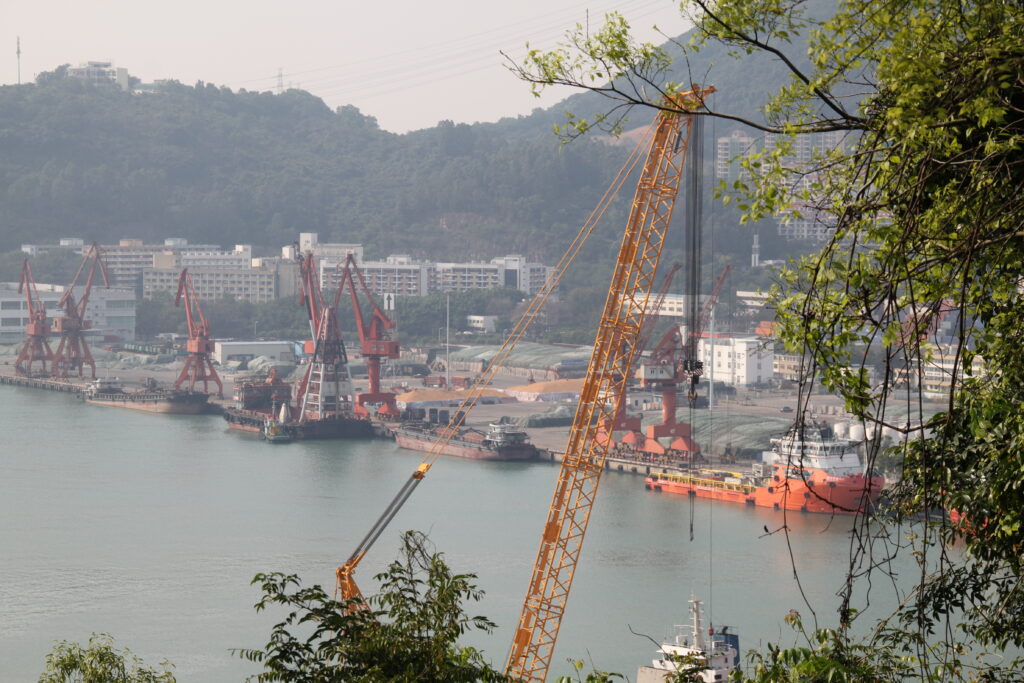
“‘A heart-to-heart exchange’: Philadelphia Orchestra visits China to share unifying power of music,” WHYY, November 13
“China Poached This Top Harvard Professor. Now He Wants Others to Join Him,” The Wall Street Journal, November 14
“Futuristic Shenzhen Shows Trump the Difficulty of Stopping China,” Bloomberg, November 15
“CMG Launches New CGTN FAST Channels,” CGTN November 16
“Inside China’s relentless race to develop humanoid robot helpers and get them into our homes,” CBS News, November 18
“Dancing robots in China set a Guinness World Record,” CBS News, November 18
“’GTA VI’ promotional blitz hits China, a country where the game isn’t even approved for sale,” Fox News, November 18
“China and the U.S. are still the biggest polluters, but only China is doing better,” NPR, November 18
Three themes stood out in Washington’s China policy discussion over the past two weeks. The first is surprise and anticipation for the trilateral U.S.-China-Russia meeting at the APEC Summit in Shenzhen this week. Given China’s repeated disinterest in discussing nuclear arms and the war in Ukraine, Beijing’s announcement of hosting the meeting during the APEC summit generally came as a surprise. Analysts speculate about whether substantial ground will be covered on topics like regional security, or if the historic meeting will lack substance similar to President Xi’s last visit to the White House. The second theme is the fallout of Jensen Huang’s resignation from Nvidia and its impact on the U.S.-China AI race. Huang was a critical link keeping U.S. supply of sensitive AI chips flowing to China, therefore his resignation has posed questions about the future of U.S.-China cooperation on AI tech development. As Nvidia searches for a new CEO, Trump would like to see a Republican-backed candidate fill Huang’s position, offering Republican insight into Nvidia’s future business and leadership. Which brings us to the third theme this week, how Democrats may reshape China policy on trade following the midterm election. The now democrat-led Congress is expecting to push for review of existing tariffs and trade agreements, possibly aiming for tighter export control of semiconductors, AI chips, and quantum computing, potentially making Trump’s trade negotiations with Beijing more difficult.
November 5 hosted by Stimson Center
November 9 hosted by CSIS
November 9-10 hosted by Victims of Communism Memorial Foundation
November 10 hosted by American Enterprise Institute
November 17 hosted by Information Technology & Innovation Foundation
November 19 hosted by ASPI
November 20 hosted by U.S. House of Representatives Select Committee on China
November 20 hosted by Global Taiwan Institute
November 23 hosted by Brookings Institute
November 23 hosted by ASPI
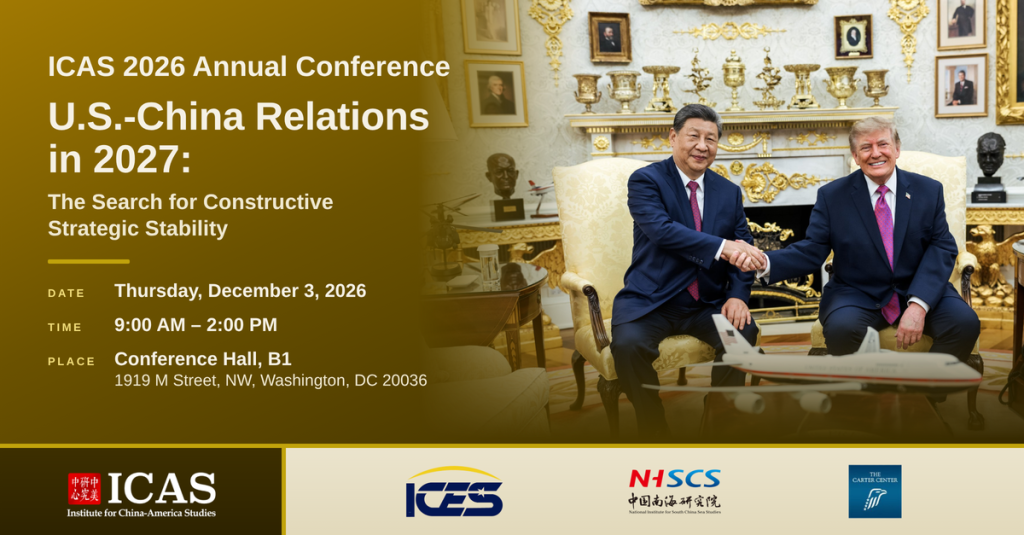
U.S.-China Relations in 2027: The Search for Constructive Strategic Stability
December 3, 2026
9:00AM-2:00PM
On December 3, ICAS will host our annual conference in conjunction with the National Institute for South China Sea Studies, The Carter Center, and Institute for China-Europe Studies. The ICAS Annual Conference brings together scholars, former officials, diplomats, policy practitioners, and other specialists to assess major developments in U.S.-China relations and their wider regional and global implications. The 2026 conference will convene in Washington, D.C., at a time of renewed leader-level engagement, continuing strategic competition, shifting domestic political dynamics in the United States, and broader changes in the international strategic environment.
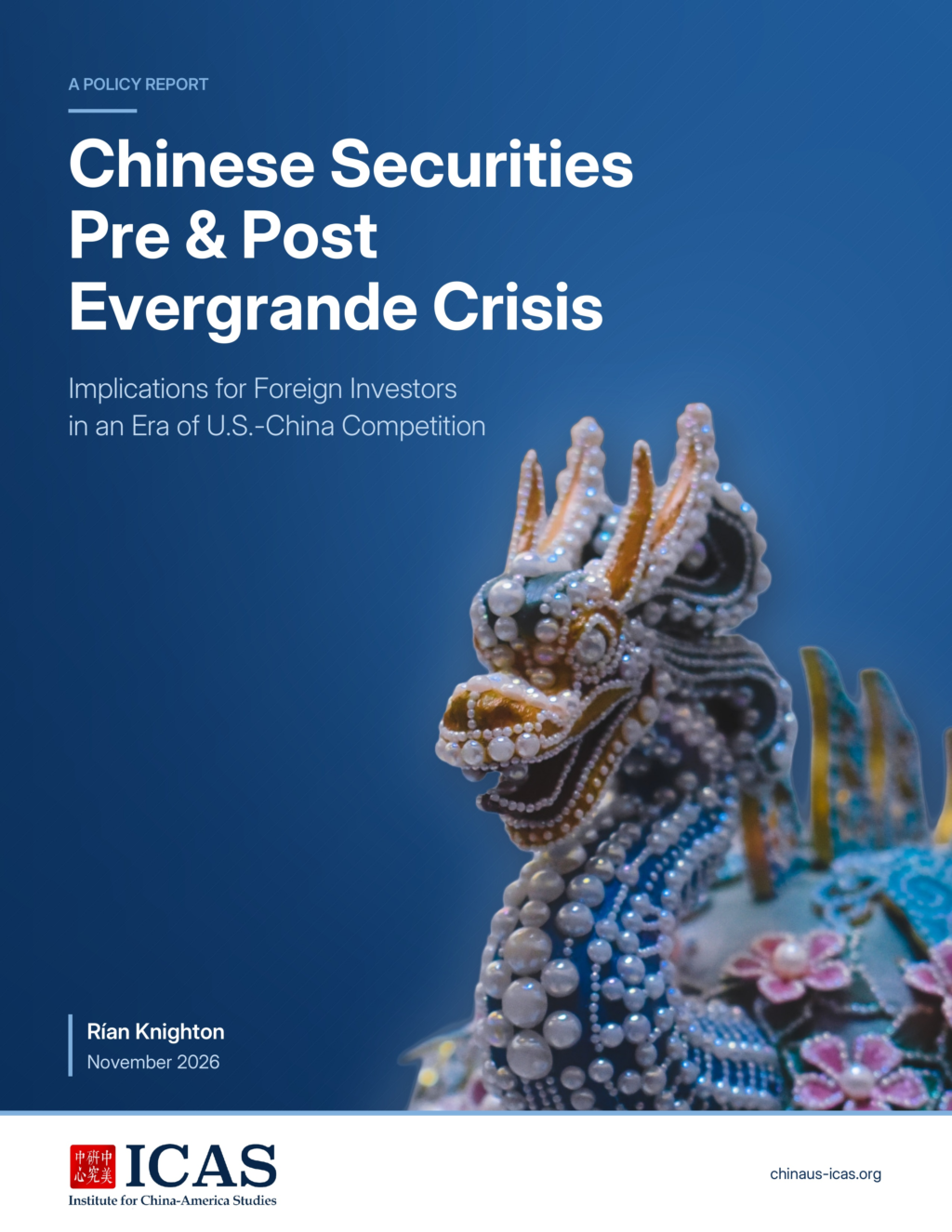
Chinese Securities Pre & Post Evergrande Crisis: Implications for Foreign Investment in an Era of U.S.-China Competition
By Rian Knighton
November 2026
Evergrande’s 2021 default tested a securities market that Beijing’s derisking campaign was already rebuilding, and the two together, not the default alone, explain how Chinese securities have developed since. Derisking from 2016 shrank shadow banking and ended implicit guarantees on wealth management products (WMPs). Evergrande then showed what remained exposed, and the policy response reshaped bonds, funds, and derivatives around it. The result is a market that is more regulated, selectively more open, and still limited by opacity and state intervention. Beijing opened the instruments it wants foreign capital to use (sovereign and quasi-sovereign bonds, panda and dim sum bonds, derivatives) and tightened the perimeter around those tied to systemic risk (WMPs, local government financing vehicles (LGFVs), and perpetual bonds).
Critical-Mineral Supply Chain Alternative: The Future is Urban Mining
By Caitlin Reardon
November 13, 2026
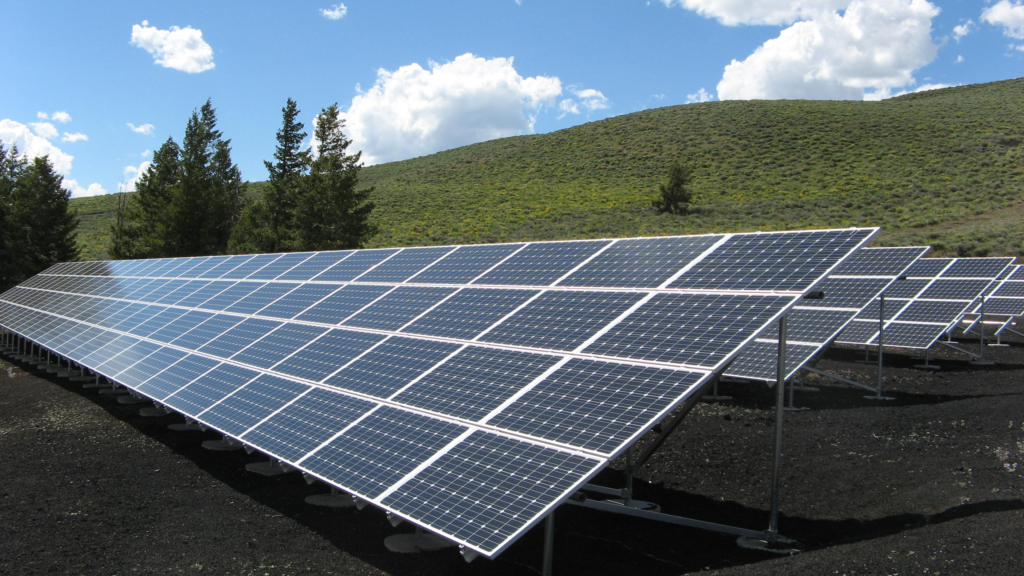
Amidst the turn of the information age, dependence on critical minerals for digitalization, AI development, and alternative energy has reshaped the global political economy. Because of their integral role in microchip production, critical minerals have become a key component in trade negotiations; therefore, consideration of long-term sustainable supply-chain alternatives is urgent. The U.S. may already have a solution amidst geopolitical tensions: recycling retired solar photovoltaic (PV) modules, otherwise known as urban mining.
On November 17, 2026, Senior Fellow Sourabh Gupta was quoted in SCMP on China’s role in multilateral rulemaking.
On November 15, 2026, Senior Fellow Sourabh Gupta was featured in Xinhua on APEC’s regional role.
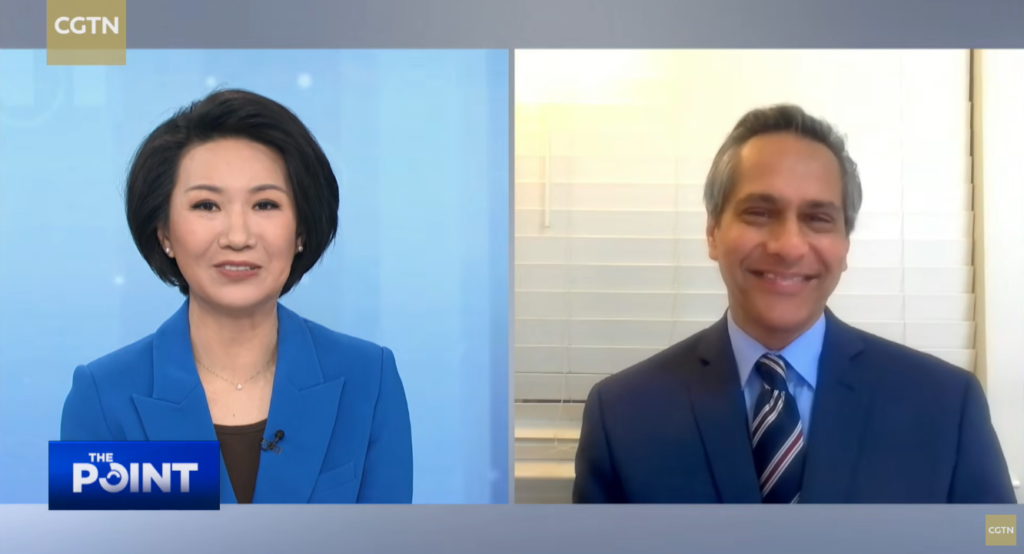
On November 11, 2026, Senior Fellow Sourabh Gupta appeared on CGTN’s The Point to discuss APEC.
On November 11, 2026, Senior Fellow Sourabh Gupta was quoted in People’s Daily on China’s role in the Indo-Pacific.
On November 11, 2026, Senior Fellow Sourabh Gupta appeared on CGTN America’s The Heat to discuss China International Import Expo.
On November 7, 2026, Senior Fellow Sourabh Gupta was quoted in SCMP on possible Hegseth China visit.